CBD, Hemp Benefits, Terpenes
The Secret Language of Terpenes: Why Hemp Smells Like Citrus, Pine, and Earth
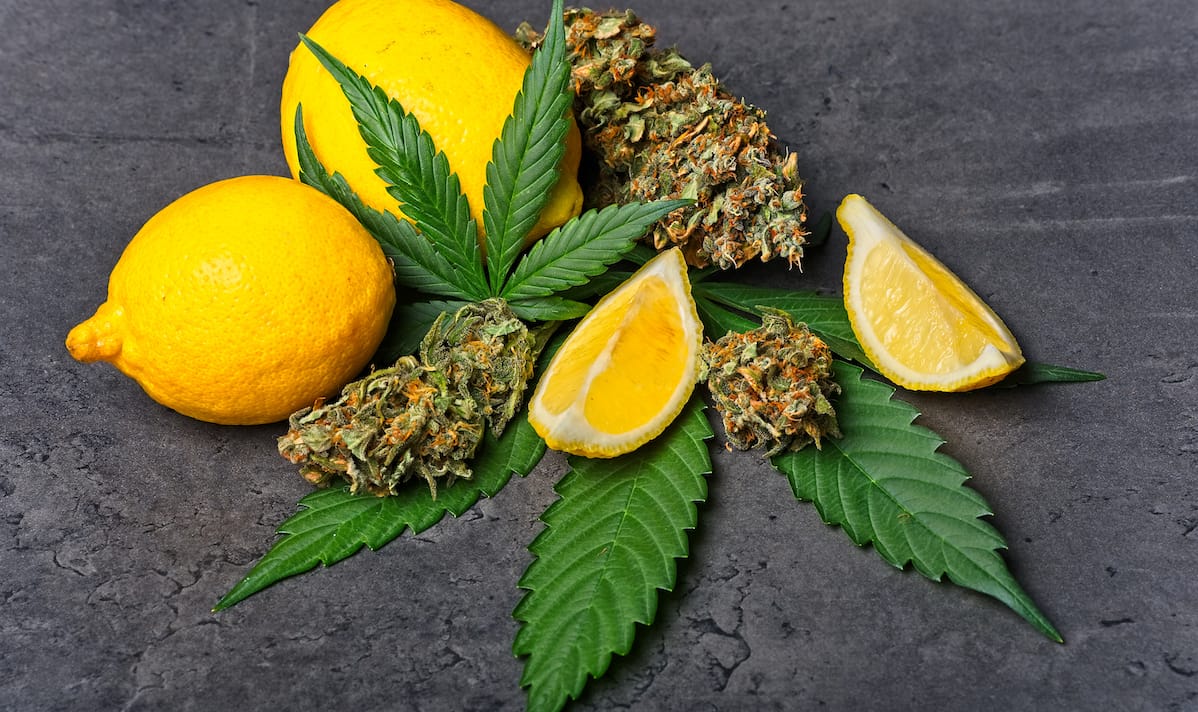
The aromatic world of hemp and how terpenes shape the flavor, aroma, and potential effects of CBD.
Crack open a jar of freshly cured hemp flower and you’ll be greeted with an aroma that’s hard to ignore — citrus zest, pine needles, damp earth, or maybe even a hint of lavender. It’s a sensory invitation that goes far beyond the CBD inside. These scents and flavors are created by terpenes, the tiny aromatic compounds that plants use to communicate, defend themselves, and attract allies. For humans, terpenes are more than just perfume — they’re part of a hidden dialogue between the natural world and our own biology.
- What Are Terpenes, Really?
- The Terpene Families in Hemp
- The Science of Terpenes and the Body
- Why Terpenes Matter for Hemp-Derived CBD Products
- Terpenes Outside of CBD
- Looking Ahead – Terpenes as the Next Frontier
- The Secret Conversation Between Plant and Person
What Are Terpenes, Really?
Terpenes are volatile compounds that plants release into the air. They’re the reason oranges smell bright and fresh, pine forests smell sharp and invigorating, and lavender fields carry a calming fragrance on the breeze. In hemp, they give each strain or product its distinctive flavor and aroma.
But terpenes are more than simple fragrance molecules. Plants evolved them as a survival strategy — limonene, for example, can repel pests, while linalool may attract pollinators. In other words, terpenes are the language plants use to interact with the living world around them. And when humans inhale, taste, or absorb them, we become part of that ancient conversation.
The Terpene Families in Hemp
Hemp contains dozens of terpenes, but a few stand out as common characters in its aromatic orchestra:
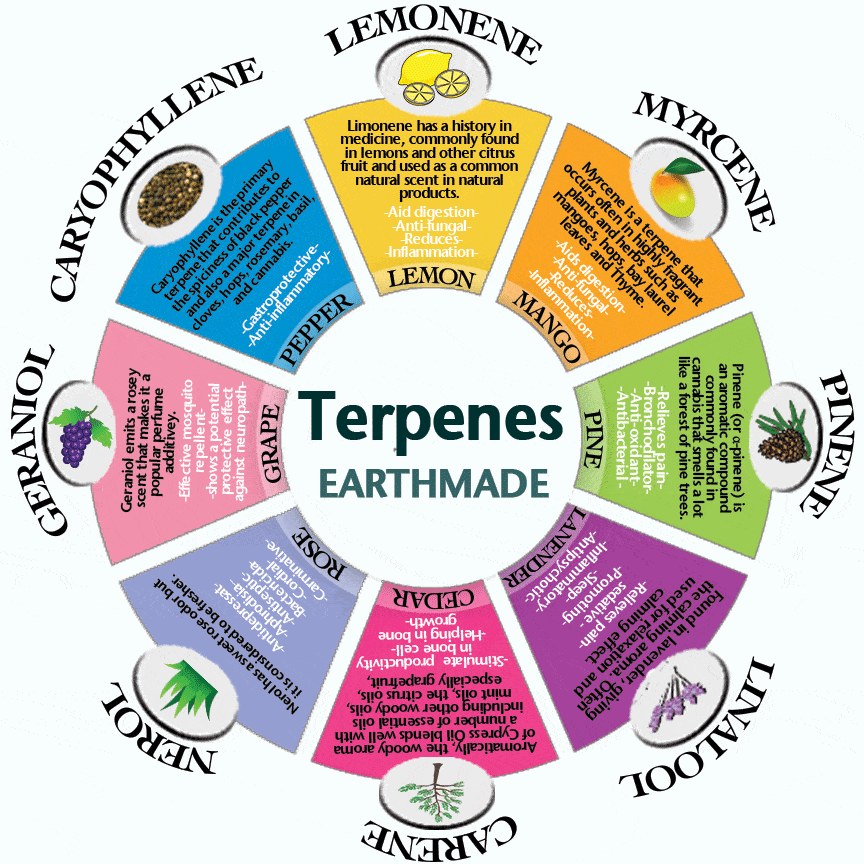
- Limonene – Zesty and citrus-forward, limonene often shows up in hemp strains with an uplifting, almost sparkling quality. Think lemon peel or orange zest.
- Pinene – As its name suggests, pinene smells like a walk through a conifer forest. Research suggests it may help with alertness and memory retention.
- Myrcene – Earthy, musky, and herbal, myrcene is often dominant in hemp. It’s been associated with deeply relaxing properties, making it the “couchlock” compound in some circles.
- Linalool – Floral and lavender-like, linalool is gentle, calming, and found in both hemp and lavender essential oil.
- Humulene – Woody, spicy, almost hoppy (like beer). Humulene may play a role in appetite regulation.
Each terpene adds its own shade to hemp’s aromatic palette, turning every strain into a unique fingerprint.
The Science of Terpenes and the Body
While cannabinoids like CBD and CBG often get the headlines, terpenes may be doing just as much work behind the scenes. Once inhaled or ingested, terpenes interact with multiple systems in the body. Some bind to receptors in the brain and nervous system, others influence serotonin or dopamine pathways, and many are believed to work synergistically with cannabinoids.
This synergy is often called the entourage effect — the idea that cannabinoids and terpenes together can create different outcomes than isolated compounds. For example, CBD on its own might feel neutral, but paired with pinene or limonene, the experience may feel more energizing or clear-headed.
Why Terpenes Matter for Hemp-Derived CBD Products
When it comes to CBD products, terpenes shape more than just aroma. They’re part of what makes a hemp extract feel the way it does.
- Full-spectrum and broad-spectrum products preserve terpenes, offering a more complex profile than CBD isolate.
- Flavor and aroma become natural markers of terpene content — citrus notes often signal limonene, while earthy tones suggest myrcene.
- Lab reports that include terpene analysis can help consumers pick products tailored to their goals, whether that’s focus, relaxation, or simply a more enjoyable taste.
In short, terpenes are not a side show — they’re central to the CBD experience.
Terpenes Outside of CBD
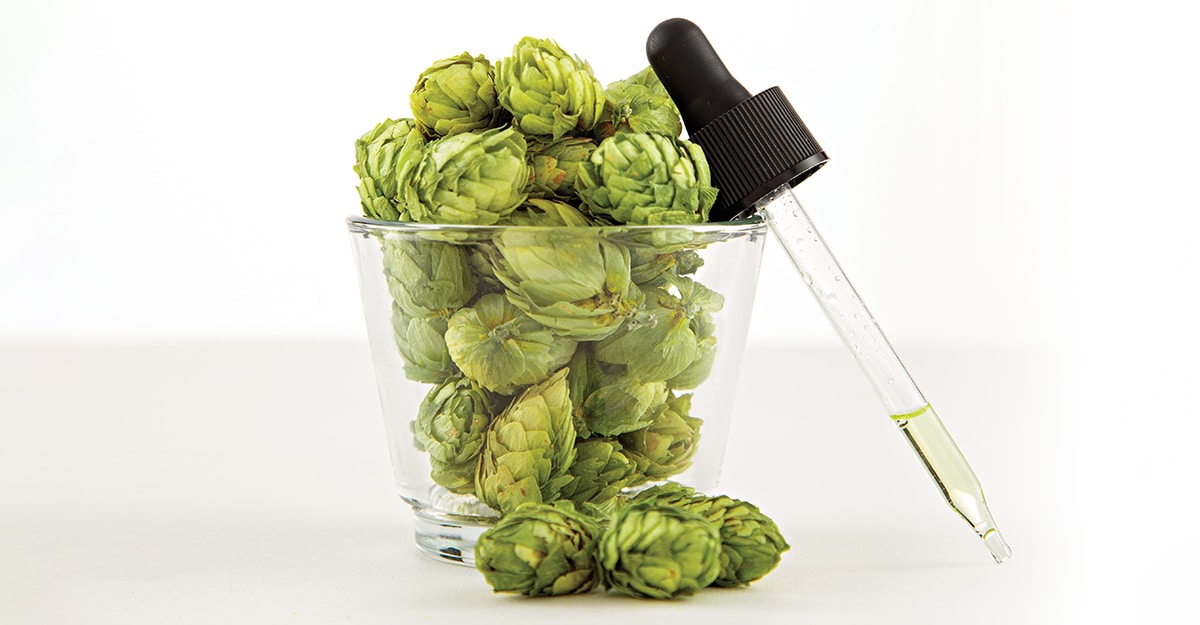
While terpenes are often talked about in the context of hemp, they’re everywhere in daily life. Breweries rely on hops—rich in terpenes like myrcene and humulene—to give IPAs their signature aroma and bitter bite. Perfumers blend terpenes such as linalool and limonene to craft fragrances that range from calming lavender to bright citrus. Even household cleaners use terpene-heavy extracts for that “fresh lemon” scent. In short, terpenes are nature’s aromatics, shaping how we experience flavor, fragrance, and mood across countless industries—not just CBD.
Looking Ahead – Terpenes as the Next Frontier
Scientists are only beginning to map the potential of terpenes. Early studies suggest they may hold therapeutic promise, from supporting stress management to boosting alertness or improving sleep quality. But research is still young, and much of what we know is based on centuries of traditional plant use.
As hemp products evolve, terpene-rich extracts are becoming the focus of innovation. Imagine a future where you could select a CBD tincture not just by dosage, but by “flavor effect” — citrus for energy, lavender for calm, pine for clarity. That future is closer than it seems.
The Secret Conversation Between Plant and Person
Every time you twist open a bottle of CBD oil, light a hemp pre-roll, or drizzle a terpene-rich tincture into your tea, you’re participating in an ancient dialogue. Plants developed terpenes to send signals across the natural world, and we’re just now learning how to listen.
So next time your hemp smells like citrus, pine, or earth, take a moment. That fragrance is more than aroma — it’s a story millions of years in the making, carried on the invisible language of terpenes.