CBD, CBG, Hemp Benefits, THC-A
Your Endocannabinoid System: The Most Important System You’ve Never Heard Of

Unlocking the Body’s Hidden Network: How CBD, CBG, and THCa Connect with Your Endocannabinoid System
- The Body’s Balancing Act
- The Cannabis Connection
- A System We Barely Understand
- Why It Matters to You
- Closing Thoughts
You’ve probably heard of the nervous system, the circulatory system, and maybe even the lymphatic system. But there’s another network, hidden in plain sight, that scientists only began uncovering in the late 20th century. It influences mood, sleep, stress, memory, appetite, and even how your body responds to pain and inflammation.
It’s called the endocannabinoid system (ECS)—and despite its critical role in human biology, most people don’t know it exists.
The Body’s Balancing Act
If the body were an orchestra, the ECS would be the conductor. It doesn’t play a single instrument—it keeps everything in harmony. Scientists describe this as maintaining homeostasis, the balance that keeps us functioning smoothly.
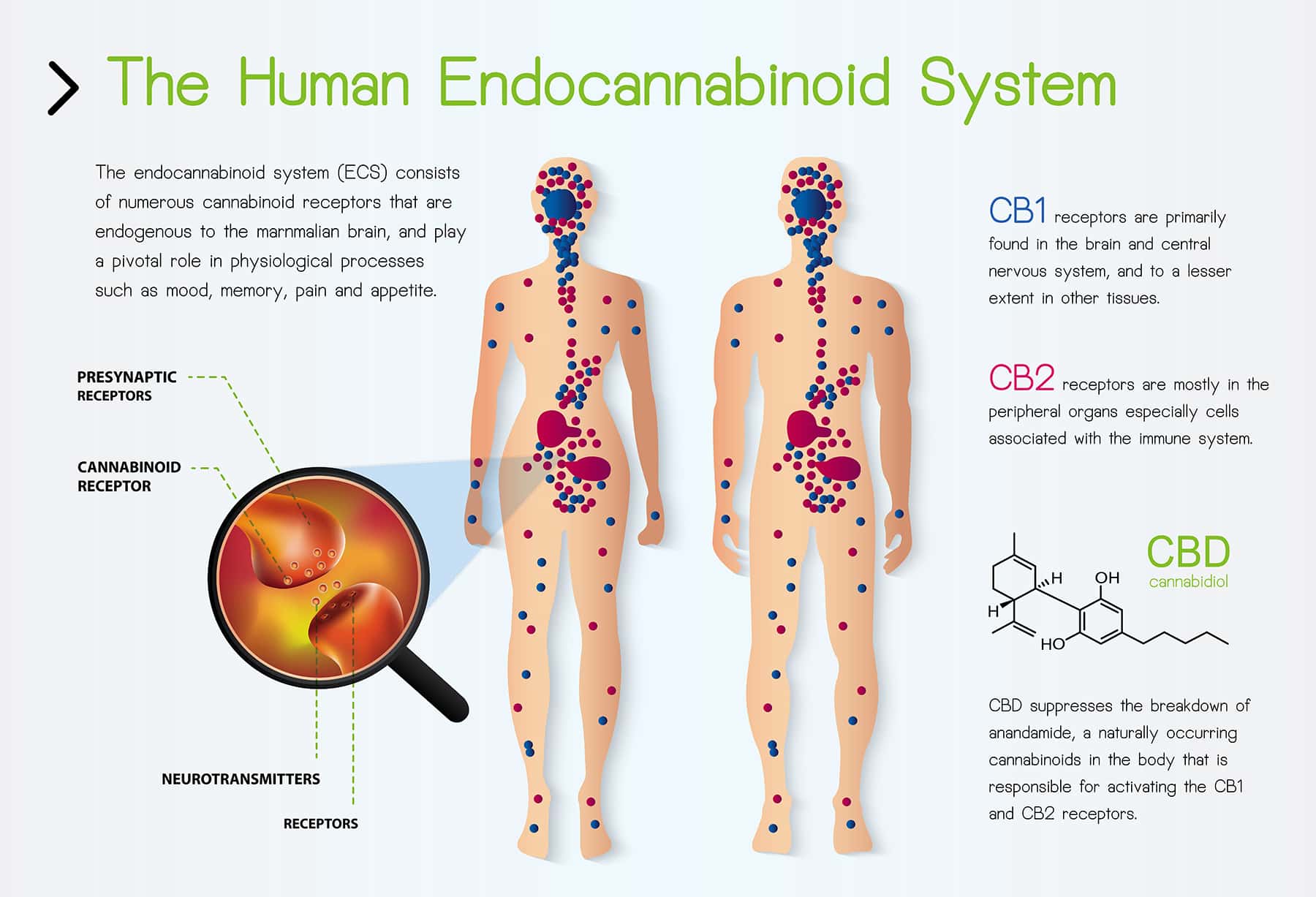
The ECS does this with a system of receptors (called CB1 and CB2) scattered throughout the body—from the brain and spinal cord to the immune system and gut. Think of them as locks waiting for the right keys. The keys? Molecules your body makes naturally, called endocannabinoids.
When stress spikes, when inflammation rises, when your appetite changes—these endocannabinoids step in to restore balance.
The Cannabis Connection
Here’s where it gets fascinating: the cannabis plant produces compounds—cannabinoids—that are structurally similar to our body’s own endocannabinoids. It’s like stumbling across a plant that just happens to make the spare keys to our internal locks.
CBD, CBG, and THCa are three of the best-known “keys.”
- CBD doesn’t bind directly to receptors but influences them in complex ways—calming overactive signals, reducing stress responses, and promoting equilibrium.
- CBG appears to interact with both CB1 and CB2, with early research pointing to potential roles in gut health, neuroprotection, and inflammation control.
- THCa, the raw, unheated form of THC, isn’t psychoactive but may carry therapeutic potential ranging from nausea relief to neuroprotective effects.
When you consume cannabinoids from hemp or cannabis, you’re essentially lending your ECS an extra toolkit.
A System We Barely Understand
Despite its importance, the ECS is still one of the least understood biological systems. Why? It was only discovered in the 1990s—shockingly late in the timeline of modern biology. Researchers initially stumbled upon it while trying to figure out how THC works in the brain.
Since then, study after study has shown the ECS’s fingerprints everywhere: in fertility, immunity, metabolism, stress resilience, and even memory formation. Yet it’s rarely taught in medical schools, leaving most doctors unfamiliar with how it works.
Why It Matters to You
The endocannabinoid system (ECS) is your body’s hidden regulator — a communication network that helps keep everything running smoothly. It works through three main parts:
- Endocannabinoids – natural, cannabis-like molecules your body makes on demand.
- Receptors – tiny locks scattered across your brain and body, mainly CB1 (nervous system) and CB2 (immune system). Cannabinoids — both the ones your body makes and those from cannabis — act as keys to these locks.
- Enzymes – the cleanup crew that breaks down endocannabinoids once they’ve done their job.
Together, this system fine-tunes balance across nearly every function you rely on: mood, stress, sleep, appetite, memory, immune response, even how you experience pain. When the ECS is humming along, you feel it as resilience, stability, and energy. When it’s out of sync, you may notice the opposite — anxiety, sleeplessness, or inflammation.
That’s why cannabinoids like CBD, CBG, and THCa are so interesting to researchers (and to everyday people): they interact with this system, nudging it toward balance in ways your body already understands.
For those dealing with modern pressures—stress, poor sleep, chronic pain—the ECS might be one of the most important allies you didn’t know you had.
Closing Thoughts
We’re at the frontier of ECS science. Each year brings new insights into how this hidden system shapes our health, mood, and resilience. For now, what’s clear is this: the endocannabinoid system isn’t fringe, and it’s not optional. It’s part of being human.
So the next time you hear about CBD or CBG, remember—it’s not just another trend. It’s tapping into the body’s own command center for balance.
Want to explore our collection? Check out our CBD, CBG, and THCa tinctures here — small bottles, big benefits.