


CBD, Hemp Benefits
The Many Lives of Hemp: From Ancient Fiber to Future Frontier

How one resilient plant has sailed seas, built empires, and might just help save the planet—again.
From ancient rope makers and Renaissance painters to modern eco-engineers, hemp has been quietly shaping human civilization for thousands of years. Long before it was tangled up in political stigma, hemp was a cornerstone of progress — a plant so versatile that it built ships, clothed kings, and even helped print the first drafts of revolution. Today, with new technologies and a renewed respect for sustainability, hemp might just be poised to shape the future again.
- Threads of Time
- The Age of Utility
- The Fall — and the Fear Campaign
- The Rebirth of Hemp
- The Future Frontier
- Why It Matters
- Final Thoughts
Threads of Time
Long before hemp was rolled into joints or pressed into tinctures, it was woven into the fabric of civilization—literally. Ancient Chinese sailors trusted it to catch the wind across unknown seas. Roman soldiers relied on it to bind their armor and string their bows. Even the first paper ever made in China—nearly 2,000 years before Gutenberg’s press—was pulped from hemp stalks.
In every era, hemp has quietly done the work of progress. It clothed farmers and pharaohs alike. It powered exploration, recorded knowledge, and bound the everyday world together. It wasn’t counterculture—it was culture.
The Age of Utility
Hemp’s global story reads like a blueprint for civilization. In India, it was spun into rope and canvas as early as 2,000 BCE. In Europe, it became the backbone of maritime empires—used to make sails and rigging for ships that mapped the world. Early American farmers grew hemp by law in some colonies, and the Declaration of Independence itself may have been drafted on hemp paper.
Its uses were endless: textiles, food, medicine, lamp oil, and even the first plastics. Hemp was not just a crop—it was infrastructure. When you trace the veins of progress through history, you keep running into hemp.
The Fall — and the Fear Campaign
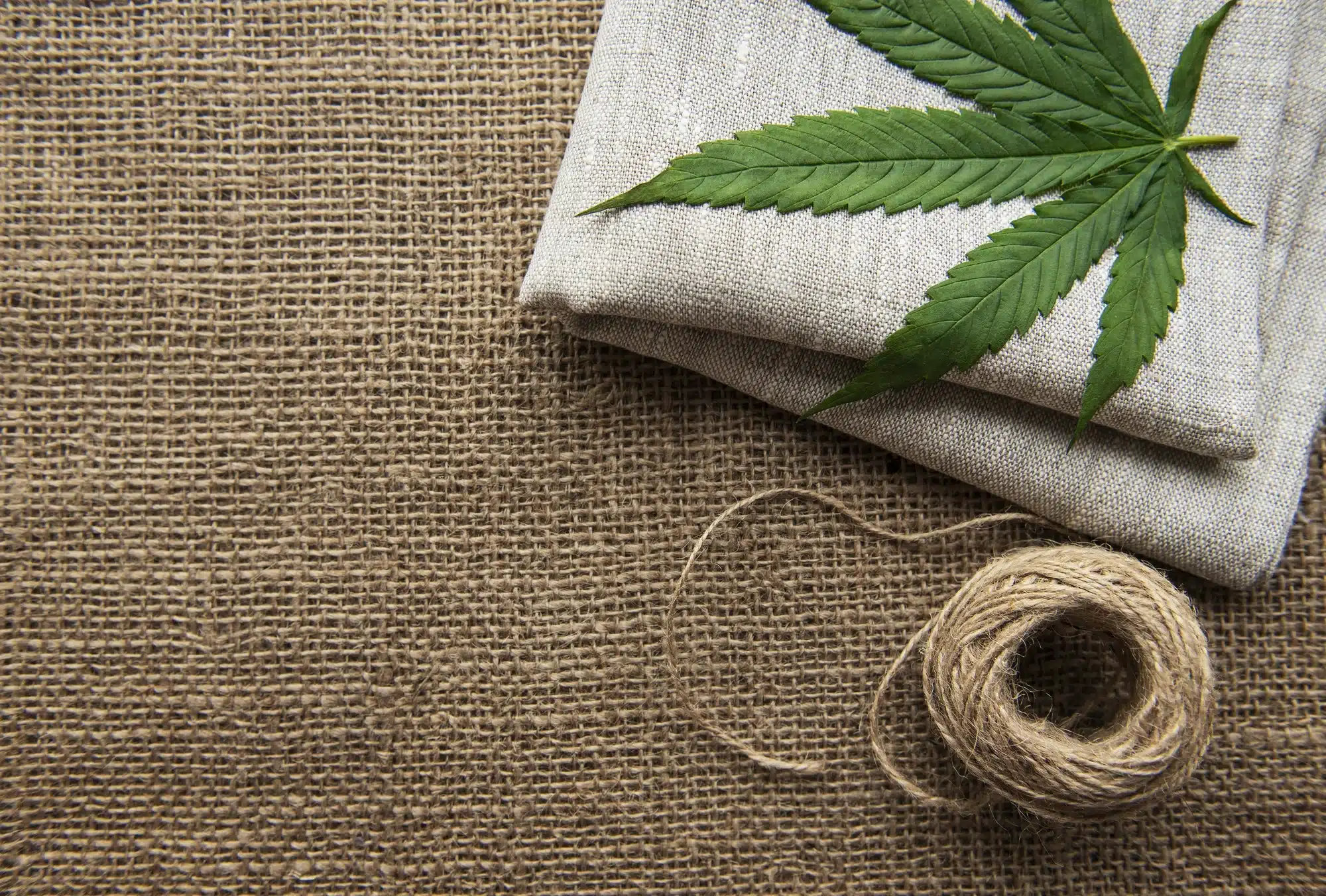
Then came the 20th century—a time of industrial ambition, cultural shifts, and, unfortunately, fear. Hemp, long seen as a utilitarian crop, was suddenly caught in the crossfire of politics and perception. It was lumped together with its psychoactive cousin, cannabis, and banned under sweeping anti-drug laws.
What followed was nearly a century of lost potential. Nylon and synthetic fibers replaced hemp in textiles. Trees fell to make paper that once came from fields. An entire green industry was erased from memory, replaced by petrochemicals and propaganda.
The Rebirth of Hemp
But nature—and truth—has a way of resurfacing. In the late 20th century, scientists, farmers, and activists began to separate fact from fear. Hemp’s low THC levels, combined with its immense industrial potential, sparked a renaissance. By the 2010s, legalization efforts around the world had revived hemp farming, particularly in North America and Europe.
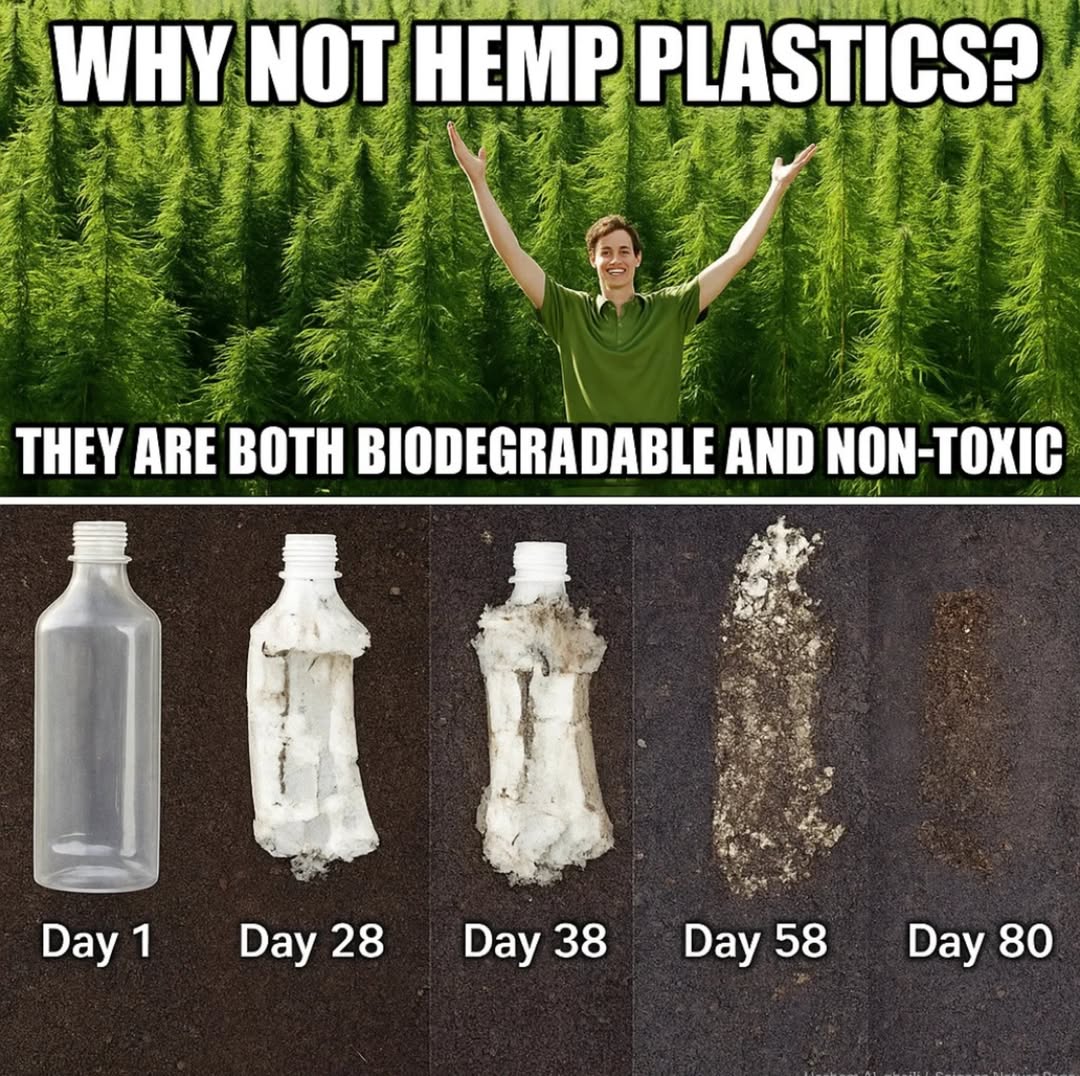
Today, hemp is back in our pantries, our skincare, and our construction sites. Hemp protein powders, biodegradable plastics, durable hempcrete—all reminders that sustainability doesn’t always mean inventing something new. Sometimes it just means remembering what worked all along.
The Future Frontier
What’s next for hemp feels less like a comeback and more like a technological evolution. Engineers are using hemp fibers to make lightweight composites that rival carbon fiber. Architects are building houses from hempcrete that literally absorb carbon from the air. Biochemists are extracting cellulose from hemp to create biodegradable plastics and even battery components.
NASA researchers have discussed the potential of hemp-based materials for use in deep-space missions. Imagine that—after millennia of building civilizations on Earth, hemp might one day help build habitats on Mars.
This isn’t science fiction. It’s science rediscovering an old friend.

Why It Matters
Hemp is more than a plant—it’s a mirror. It shows us the kind of relationship we can have with the natural world when we choose respect over exploitation. It’s ancient and modern, humble yet revolutionary.
As we move toward a future defined by sustainability and simplicity, hemp stands as proof that some of the best ideas were planted thousands of years ago. From temple walls to solar-powered labs, the story of hemp is really the story of us—our ingenuity, our mistakes, and our capacity to rediscover balance.
The next chapter isn’t about going back—it’s about growing forward.
Final Thoughts
From the sails of ancient ships to the walls of future homes, hemp continues to prove that progress doesn’t always come from invention — sometimes, it comes from rediscovery. As technology catches up with nature’s brilliance, this humble plant may once again anchor industries, inspire sustainability, and remind us that the smartest solutions often grow quietly in the fields. Hemp isn’t just a relic of the past or a trend of the moment — it’s a bridge between what was and what could be.
Back to TheCannaCompany.com
