


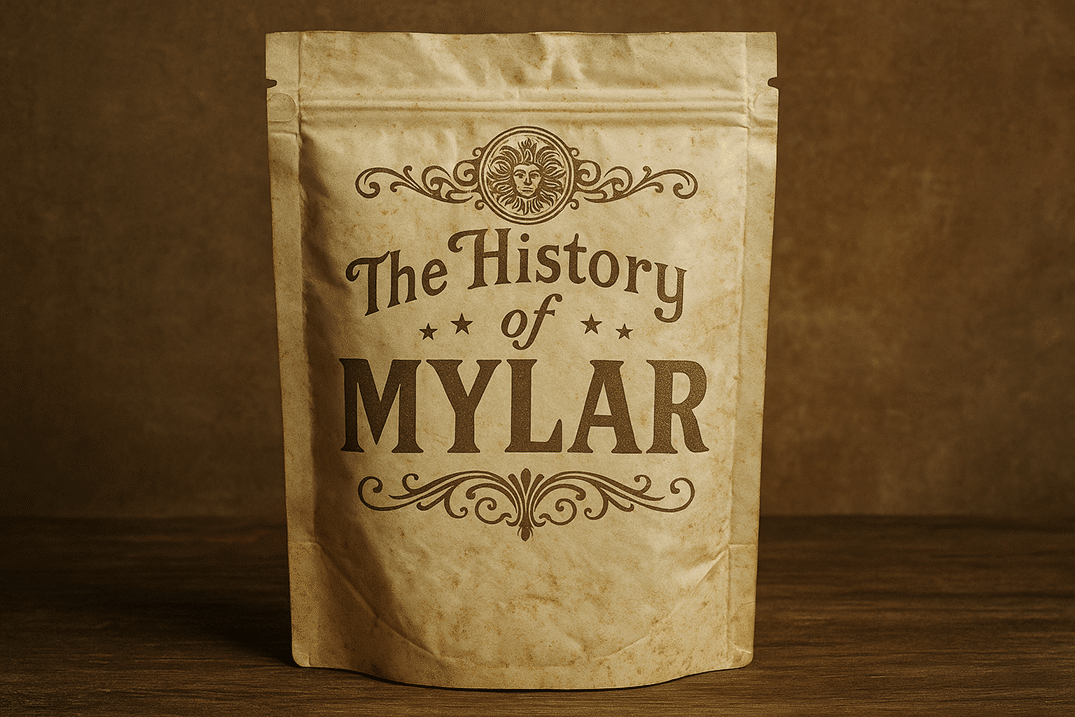
The Rise of the Cali Pack: When Packaging Became Pop Culture
Cannabis packaging has gone through what might be one of the most dramatic visual and cultural transformations across any consumer product category. What once fit in a folded paper bag or ziplock has become boutique-level design, brand storytelling, and even social commentary — all while juggling evolving laws, regulations, and consumer expectations.
Let’s take a journey through the eras of cannabis packaging and look at how it has changed shape, style, and meaning over time.
The Prohibition Era: Hidden, Humble, and Unlabeled
In the early 1900s before cannabis was widely criminalized, packaging was rudimentary — it might have been wrapped in paper or stored in basic glass. There was no standardized format, and most packaging was simply functional. As illegality took hold, so did secrecy:
- Brown paper bags
- Plain glass jars
- Folded paper with misleading labels
These packaging formats were meant to conceal, not display. Often they were hand-folded or nondescript to avoid drawing attention while protecting the product.
The Black Market Era: Dime Bags & Bagged Weed
By the 1960s and 70s, cannabis culture had shifted underground — but packaging stayed simple and informal. The iconic “dime bag” (a small amount of cannabis in a tiny plastic bag) became the unofficial visual of illicit weed.
Even into the 80s and 90s, cannabis was often passed hand-to-hand in unmarked baggies or paper bags. The goal wasn’t branding — it was discretion and simplicity.
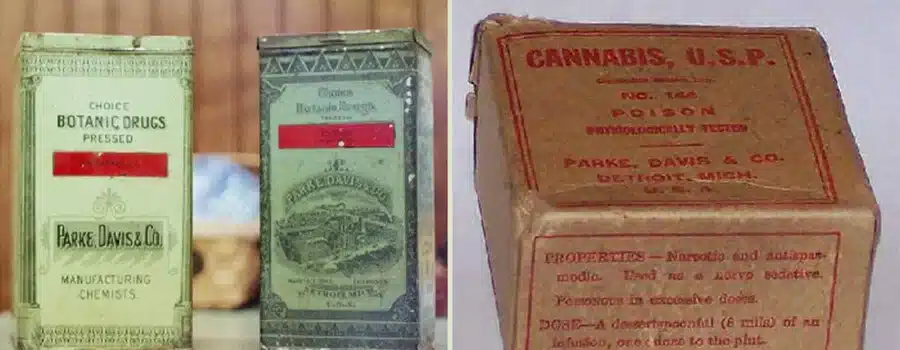
The Early Days of Commercial Packaging: Legality Meets Minimalism
Once legalization began in the 2000s and 2010s in places like Colorado, California, and Canada, packaging shifted dramatically.
Instead of random baggies, products started arriving in:
- Child-resistant, smell-proof mylar pouches
- Custom glass jars with freshness seals
- Pharma-style bottles for tinctures and capsules
- Boxes with clear labeling and lab testing info
This wasn’t just about looking good — it was regulation compliant and designed for modern consumer trust. Regulations demanded child safety, accurate THC/CBD labeling, and tamper evidence — all of which reshaped how cannabis was packaged for adults.
Brand Identity and Creative Packaging Trends
As dispensaries became saturated and products multiplied, cannabis packaging began to take cues from fashion, food, and drink branding.
Elevated, Elegant Designs
Some brands moved toward minimalist, premium aesthetics similar to beauty products or high-end spirits. This trend was exemplified early by cannabis lines like Leafs by Snoop, whose packaging leaned into sleek, artistic design instead of stoner clichés.
Illustrative & Collective Art
Some brands went even bolder, treating packaging as expressive art — like when designers collaborated with illustrators to visually interpret the feel of different strains rather than just list information.
Funky Cali Packs & Mylar Graphics
In states like California, cannabis flower often comes in branded, colorful Cali packs with strain names like Gelato or Wedding Cake, turning packaging into part of pop culture itself.
Structural & Sensory Experiences (2020s & Beyond)
Today’s evolution isn’t just about visuals:
Tactile Packaging
Premium cannabis brands are using embossing, soft-touch finishes, and unique shapes (hexagons, dessert tubs, cigarette-style cases) to create multi-sensory experiences that heighten unboxing and brand recall.
Functional Innovation
Thanks to companies like Calyx Containers, packaging can now be child-resistant and visually compelling with square-neck glass vials and specialized concentrate jars.
Automation & Quality Control
As demand scaled, automated packaging systems emerged to handle delicate cannabis flowers and infused products with efficiency and consistency.
Wrapping It Up: From Prohibition to Premium Experience
The journey of cannabis packaging mirrors the evolution of the industry itself:
- Underground commodity → regulated product
- Anonymous baggies → brand experiences
- Concealment → celebration
- Cheap containers → collectible jars and artful boxes
Today’s cannabis packaging isn’t just about holding flower or oils — it’s about identity, safety, storytelling, and experience. The design evolution reflects deeper cultural acceptance and an entire industry learning to show up like the premium consumer product category it has become.
Back to TheCannaCompany.com