


Cannabis, CBD, Hemp Benefits
I Tried Every Form of CBD for 30 Days. Here’s What Actually Did Something.
Wellness · CBD · Personal Experiment
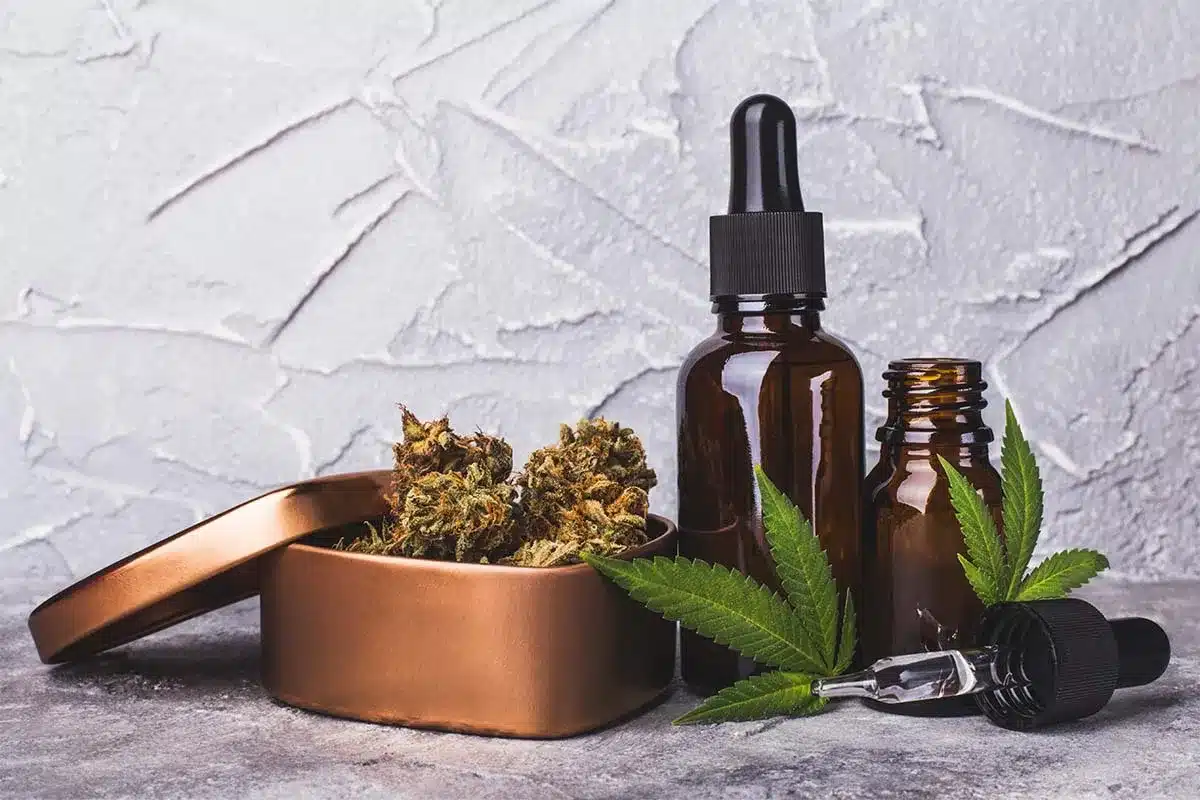
Tinctures. Gummies. Capsules. Topicals. Honey. I tried five different CBD formats for 30 days and kept notes. Some of it worked. Some of it did absolutely nothing. Here’s the honest breakdown.
Full disclosure upfront: this is not a clinical trial. There is no control group. There’s no blinding. There is just one person, five formats, a notes app, and a genuine curiosity about why some CBD products seem to do something while others feel like an expensive placebo.
The goal wasn’t to prove CBD works. The research on CBD is promising but still developing — anyone who tells you it’s definitively proven for everything is selling you something, and anyone who says it definitely does nothing is ignoring a growing pile of evidence. The goal was simpler: figure out which formats actually fit into real life, and which ones actually seemed to do something for stress, sleep, and the kind of low-grade physical tension that accumulates over a long week.
The answer, it turns out, depends almost entirely on what you’re using it for.
What it is: A CBD oil taken sublingually — meaning you hold it under your tongue for about 60–90 seconds before swallowing. It’s one of the oldest delivery formats and, as it turns out, one of the more effective ones.
What the science says: Sublingual CBD reaches 12–35% bioavailability — meaningfully higher than swallowing a capsule or gummy, which has to survive your digestive system first. Holding it under your tongue lets the CBD absorb directly into the bloodstream through the capillaries. Onset is typically 8 to 15 minutes. Effects last around 4–6 hours.
What actually happened: The tincture was the format I noticed most consistently. Not dramatically — there was no “whoa” moment — but taking it about 30 minutes before bed made it noticeably easier to settle down at the end of a loud day. The biggest adjustment was the taste (earthy, slightly grassy, not unpleasant once you’re used to it) and figuring out the right dose, which took about a week of small adjustments.
The customizable dosing is genuinely useful. Unlike a gummy where you get exactly what you get, a tincture lets you dial up or down by fractions of a milliliter. For stress and sleep, this turned out to matter.
From The Canna Company
If you want to try the tincture format, The Canna Company’s tincture lineup is a solid starting point — available in multiple strengths so you can find your dose without guessing.
What it is: CBD-infused gummies — the most popular format on the market by a wide margin, probably because they taste good and require zero explanation at the office.
What the science says: Gummies have a bioavailability of around 10–20% — lower than tinctures, because they have to travel through your digestive system before the CBD reaches your bloodstream. Onset is slower too: typically 45–60 minutes, sometimes longer depending on what you’ve eaten. The upside is that the effects tend to last longer and feel more gradual and even — less of a noticeable onset, more of a sustained background calm.
What actually happened: Gummies were the easiest format to actually remember to take, which counts for something. The taste is good, the dose is consistent, and there’s no prep involved. But the unpredictability of timing was real — on an empty stomach, effects came on faster and stronger than expected. After a big meal, sometimes barely noticeable at all.
For stress during the day, gummies worked reasonably well when timed right. For sleep specifically, the slow onset made them less reliable — you had to plan ahead in a way the tincture didn’t require.
From The Canna Company
The gummy format is one of the most accessible ways to start with CBD. Browse The Canna Company’s gummy options here — they come in multiple formulas depending on what you’re using CBD for.
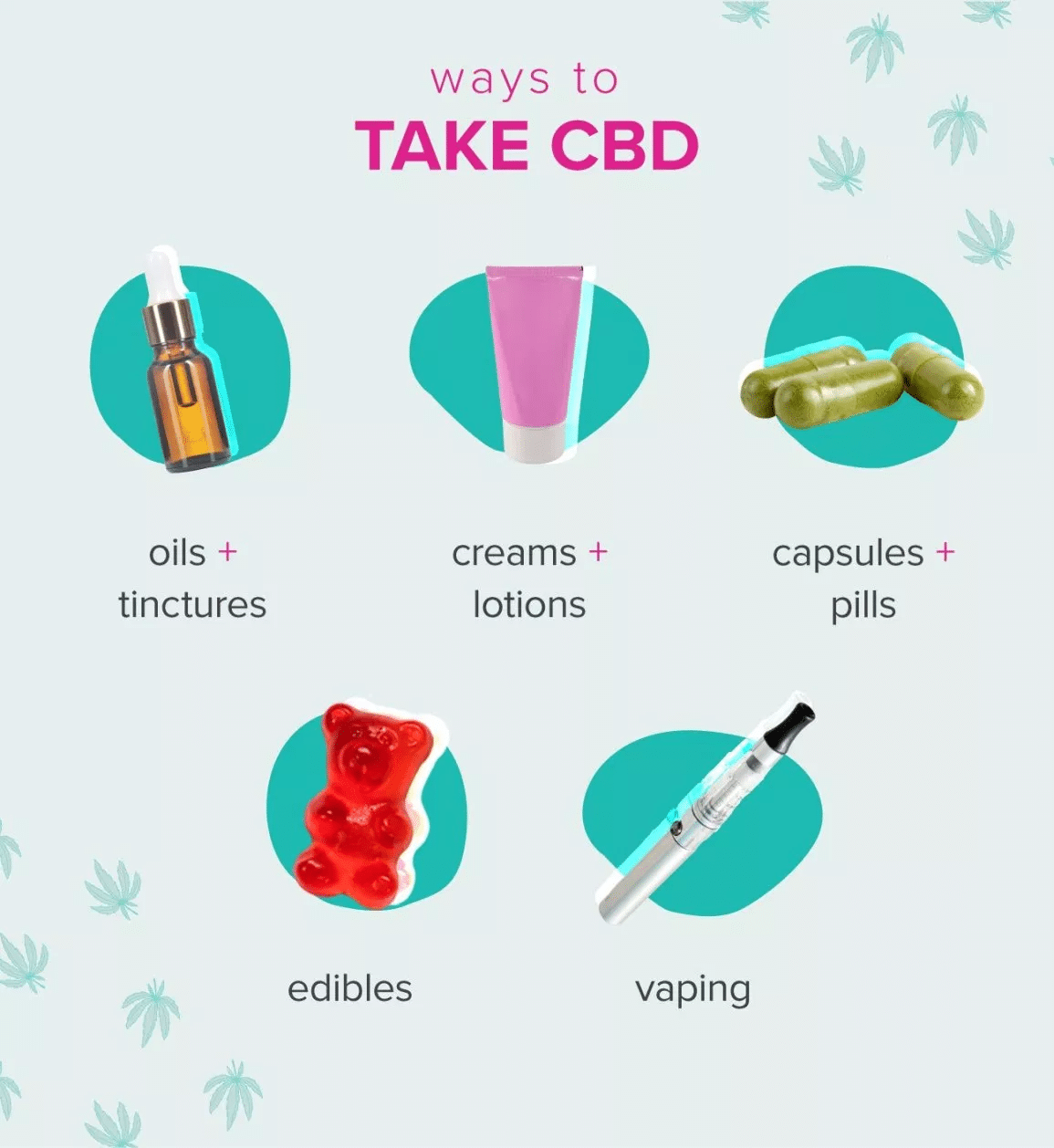
What it is: CBD in a softgel or capsule — essentially the same as a gummy in terms of how your body processes it, but without the taste, the sugar, or the fun.
What the science says: Bioavailability is similar to gummies — capsules are processed through digestion, though some formulations using oils that absorb through the stomach lining may be marginally more consistent than gummies. The main advantages are precision (every capsule is exactly the same dose), neutrality (no taste whatsoever), and convenience for people who already take daily supplements and just want to add CBD to the stack.
What actually happened: Capsules were the most forgettable format in both senses of the word. Easy to forget to take — they just felt like another pill in a routine already full of them. And also hard to notice any distinct effect, which may be partly a timing and dosing issue, or may just be that the gradual, diffuse nature of oral CBD doesn’t produce anything you’d point to and say “that’s the capsule.”
After two weeks, the capsule became the format most likely to be skipped. Not because it was bad — it just didn’t have any ritual or feedback loop attached to it. With a tincture, the act of holding something under your tongue for 60 seconds creates a moment. A capsule is just… a pill. For people who want CBD to slot invisibly into a daily supplement routine, that’s exactly the point. For anyone looking to notice a difference, the format may work against you.
What it is: A CBD-infused cream, balm, or salve applied directly to the skin. Entirely different category from the previous three — topicals don’t enter the bloodstream in any meaningful amount. They work locally, at the site of application, by interacting with cannabinoid receptors in the skin itself.
What the science says: This is where the research is actually pretty encouraging, with the important caveat that topicals work for specific things and not others. A 2024 study in Nature Scientific Reports found that a transdermal CBD gel reduced hand osteoarthritis pain by nearly 2 points on a 0–10 scale, with measurable improvements in grip strength — results that reversed when the treatment stopped. Other studies show meaningful anti-inflammatory effects comparable to diclofenac (a common over-the-counter anti-inflammatory) in preclinical models.
The important thing to understand: topical CBD does not affect anxiety, sleep, or systemic stress. It stays where you put it. If you apply it to a sore shoulder, it may help the sore shoulder. It won’t make you feel calmer. These are completely different use cases.
What actually happened: The topical was the biggest surprise of the experiment — in a good way. Applied to a persistently tight lower back after a long week at a desk, there was a noticeable reduction in tension within about 20 minutes. Not dramatic, not like taking a painkiller. But real enough to reach for it again the next day. It also worked well on post-exercise soreness in a way that felt more targeted and less systemic than any of the ingestible formats.
The key discovery: stop expecting topicals to do what tinctures do. They’re a completely different tool. Once used as one, they actually delivered.
Related Reading
The topical format connects directly to a question we explored in depth — how does CBD compare to conventional pain relief options? CBD vs. Tylenol: a closer look at what the science says.
What it is: Raw honey infused with CBD — a format that sits somewhere between food and supplement and manages to be both more enjoyable and more versatile than either category alone.
What the science says: CBD honey works through the same digestive pathway as gummies and capsules — oral bioavailability in the 10–20% range, onset of 30–60 minutes depending on how you take it. The difference is in the delivery vehicle. Honey has its own mild anti-inflammatory and antimicrobial properties, and the fat content can slightly improve CBD absorption compared to water-based formats. More practically: it tastes genuinely good, and stirring it into chamomile tea before bed is the closest this experiment came to feeling like a ritual rather than a supplement protocol.
What actually happened: The honey format turned out to be the most consistently pleasant, which matters more than expected. Compliance — actually remembering and wanting to take something — is a real factor in whether any wellness product works over 30 days. CBD honey stirred into hot tea became the most reliable part of a wind-down routine. Whether the effect was from the CBD, the honey, the chamomile, the act of making tea, or some combination of all four is genuinely impossible to say. But the routine worked. Sleep quality improved in the weeks where it was used consistently.
It also worked well as a food ingredient — on toast, in yogurt, drizzled on overnight oats — without the “I’m taking a supplement” feeling that makes other formats feel medicinal. For anyone who finds the wellness supplement aesthetic alienating, this one sidesteps it entirely.
From The Canna Company
Dr. Funny’s Honey is The Canna Company’s CBD-infused honey — raw, genuinely delicious, and available in the store. Worth trying if the idea of making CBD feel less like medicine appeals to you.
So What Actually Did Something?
After 30 days across five formats, the honest summary looks like this:
The tincture worked best for sleep and stress. Fast onset, adjustable dose, and consistent enough results that it became the format I reached for most. The taste takes some getting used to. The dosing flexibility is worth it.
The gummies were the most convenient but least predictable. Good for daytime use when timing isn’t critical. Less reliable for anything requiring consistency.
The capsules did the least. Not because capsules are bad — the format just doesn’t give you enough feedback to know if it’s working, and that makes it hard to stick with. Best suited for people who already take daily supplements and want CBD to disappear into that routine.
The topical was the biggest surprise. Genuinely effective for localized tension and soreness. Completely useless for sleep, anxiety, or anything systemic — but for what it does, it works better than expected. Worth having around for physical recovery and desk-related tension.
The honey was the most enjoyable. Not the most precise delivery method, but the most sustainable one — and sustainability matters when you’re talking about a 30-day experiment that you actually have to complete.
The larger lesson: CBD isn’t one thing. The format changes the experience significantly, and using the wrong format for the wrong goal is probably why a lot of people try CBD, notice nothing, and write it off. A topical for anxiety is going to do nothing. A tincture for a sore knee is also probably not the move. Matching the format to the use case is where results actually live.
Whether CBD is doing what we hope it’s doing at a cellular level is still being worked out by researchers. The clinical evidence is promising but incomplete for most conditions. But as a practical, first-person experiment in five formats over 30 days? Three of them were worth continuing. That’s an honest result.
From The Canna Company
If you want to explore any of these formats yourself, The Canna Company carries tinctures, gummies, and more — all third-party tested. And if you’re new to CBD and not sure where to start, the piece on cannabis for people who don’t like drugs is a good first read.