


CBD, CBG, Hemp Benefits
The American Pain Problem
Health · Pain · Opioids · What Comes Next
One in four American adults lives with chronic pain. The medical system’s primary answer for three decades was a pill that turned out to be catastrophically addictive. Here’s how America got into this, what it cost, and what’s actually emerging on the other side.
Pain is the most common reason Americans seek medical care. Back pain, joint pain, nerve pain, post-surgical pain, the persistent ache of conditions like fibromyalgia and arthritis — it touches every age group, every demographic, every corner of the country. In 2023, 24.3% of American adults reported chronic pain in the past three months. Another 8.5% reported pain severe enough to regularly limit their work or daily life.
That’s roughly 60 million people. And for most of the past 30 years, the answer the medical system handed them was opioids.
How We Got Here
The story starts in the 1990s, when pharmaceutical companies — Purdue Pharma most notoriously — aggressively marketed extended-release opioids as safe, effective, and minimally addictive for long-term pain management. The FDA approved the marketing. Doctors prescribed accordingly. By 2017, American physicians wrote more than 191 million opioid prescriptions in a single year.
The addiction followed. Then the overdoses. Then fentanyl, which arrived as people dependent on prescription opioids were cut off and turned to cheaper street alternatives. The three waves of the crisis unfolded in predictable sequence, each deadlier than the last.
Between 21% and 29% of patients prescribed opioids for chronic pain misuse them. As many as one in four develops addiction.
— Overdose Lifeline / NIH Pain Management Review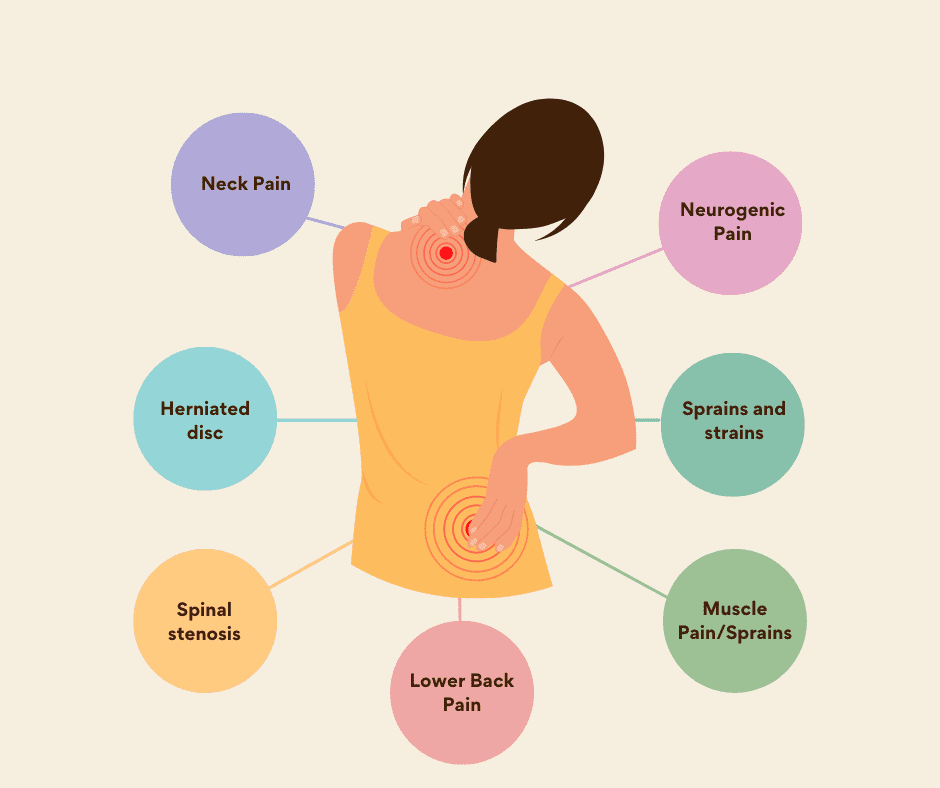
The Problem With the Solution
Opioids work for pain. That’s not in dispute. For acute, short-term, post-surgical pain, they remain among the most effective tools medicine has. The problem is what happens when a medication designed for short-term use gets prescribed for long-term chronic conditions — because the system didn’t have better answers and the pharmaceutical industry was actively discouraging the search for them.
Chronic pain is rarely a single-mechanism problem. It involves inflammation, central sensitization (the nervous system amplifying pain signals over time), psychological factors, sleep disruption, and lifestyle. Opioids address the sensation of pain without touching any of those underlying drivers. Long-term opioid therapy also produces tolerance, meaning patients need escalating doses to achieve the same relief — and hyperalgesia, where the opioid itself starts making pain worse.
The result was a system that created dependency in millions of people while failing to address the conditions causing their pain in the first place. And while the epidemic was unfolding, the FDA was simultaneously blocking research into cannabinoids — non-addictive plant compounds with genuine anti-inflammatory and analgesic properties — by keeping them in Schedule I for 55 years.
What the Research Is Saying Now
The science on cannabinoids and pain has moved faster in the past three years than in the previous three decades. A 2025 study published by Yale researchers in the Proceedings of the National Academy of Sciences found that cannabinoids including CBD reduced the activity of a sodium channel central to pain signal transmission in the peripheral nervous system — one of the clearest mechanistic explanations yet for why CBD reduces pain, and one that targets the signaling pathway rather than masking the sensation.
A separate 2025 study highlighted CBG — cannabigerol, the non-intoxicating compound gaining traction in anti-inflammatory research — as showing significant promise for pain relief by acting on gut and nervous system receptors to reduce inflammation without psychoactive effects. For people with chronic pain rooted in inflammation — arthritis, fibromyalgia, musculoskeletal conditions — the anti-inflammatory pathway is where the most meaningful research is now happening.
A 2024 systematic review across 40 studies concluded that CBD has sufficient clinical and preclinical evidence to be considered an effective and safe option for reducing pain through its analgesic and anti-inflammatory properties, with particular therapeutic relevance for osteoarthritis and chronic pain management.
Related Reading
The regulatory history of why cannabinoid pain research was blocked for so long is one of the more infuriating stories in American medicine. Read our piece on the FDA approving opioids while stonewalling cannabis research for the full timeline.
The Opioid-Sparing Effect
One of the most significant findings in recent cannabis pain research isn’t about CBD replacing opioids. It’s about CBD reducing how much of them people need.
Research increasingly confirms what patients have been reporting for years: medical cannabis used alongside conventional pain management can produce an “opioid-sparing effect” — allowing patients to achieve adequate pain relief at lower opioid doses, reducing dependency risk, side effects, and the escalating tolerance cycle. The same research found cannabis improves physical activity and sleep in chronic pain patients — two factors that, when addressed, measurably improve pain outcomes on their own.
CBD doesn’t work the way opioids work. Opioids bind to receptors in the brain and spinal cord to suppress pain signals centrally — effectively turning down the volume on the sensation. CBD works through multiple pathways simultaneously: the endocannabinoid system’s CB1 and CB2 receptors, TRPV1 ion channels involved in pain and inflammation, the 5-HT1A serotonin receptor, and now the sodium channel pathway identified in the 2025 Yale study. The approach is more distributed, less aggressive, and critically, non-addictive.
CBG adds another layer. Its inhibition of COX-1 and COX-2 enzymes — the same enzymes ibuprofen targets — combined with its action on multiple receptor pathways gives it a broader anti-inflammatory profile than CBD alone. For chronic pain rooted in inflammation, the two together present a more complete picture than either does separately.
Where This Is Heading
The 2025 rescheduling of cannabis to Schedule III was, among other things, a research event. Removing the most significant regulatory barrier to cannabinoid science means the clinical trials that should have happened thirty years ago can finally happen now. Results are going to come faster, in larger populations, with better methodology.
The picture that’s emerging is not one where CBD cures chronic pain. It’s one where a multi-modal approach — addressing inflammation, sleep, the nervous system’s sensitization patterns, and the underlying conditions driving pain — produces better outcomes than any single intervention. Cannabinoids have a documented role in that picture. So does physical therapy, lifestyle medicine, sleep treatment, and mental health support.
What the opioid crisis demonstrated, at an enormous cost, is that treating chronic pain as a sensation to be suppressed rather than a condition to be addressed was the wrong frame. The new frame is more complicated, less profitable for pharmaceutical companies, and considerably more likely to actually work.
From The Canna Company
For chronic pain rooted in inflammation, topical and oral CBD and CBG products are worth understanding. The Canna Company’s full product range includes options across both formats — all third-party tested. And our piece on CBD vs. Tylenol covers the safety comparison in detail.