Cannabis
The Art of the High: How Culture and Science Shape Our Relationship with Cannabis
Exploring the intersection of altered states, human history, and the science of consciousness.
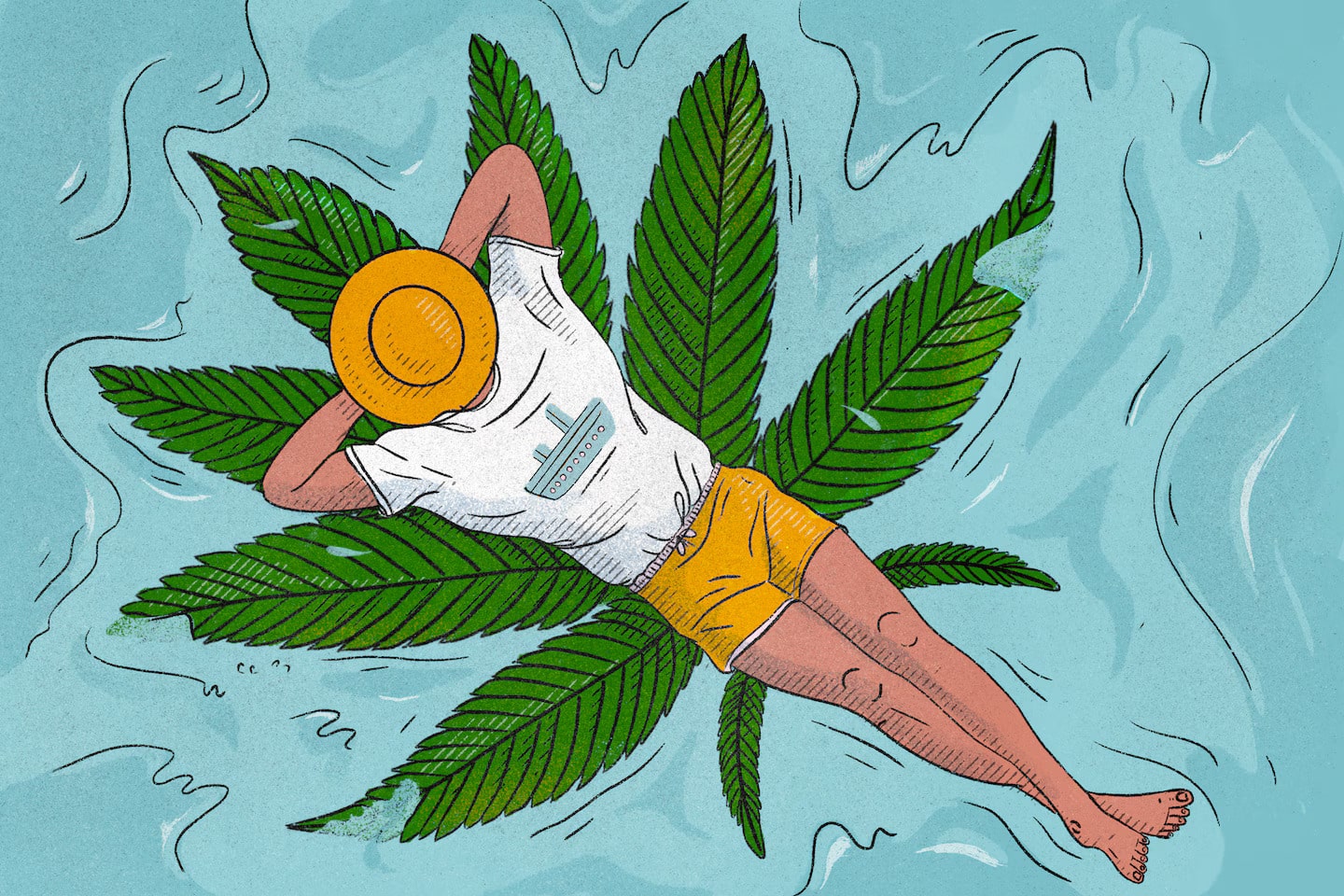
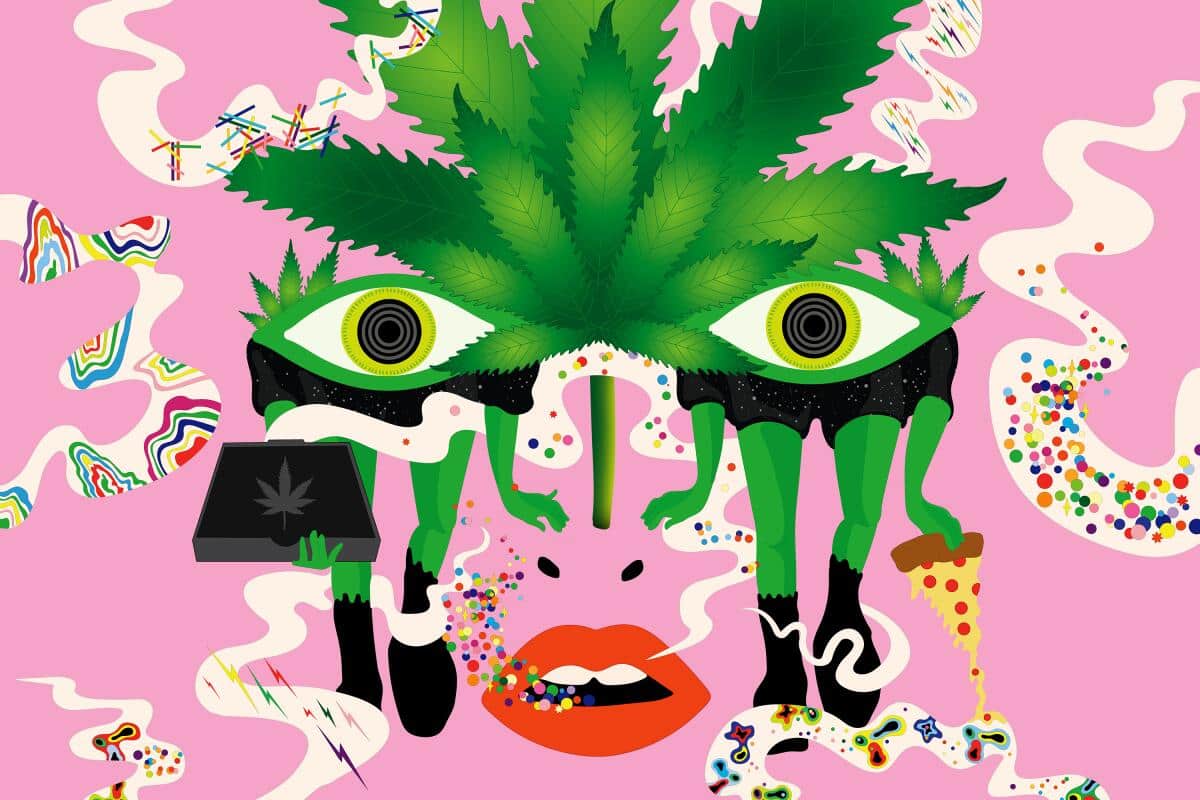
Getting “high” is one of the most misunderstood experiences in human culture. To some, it’s a dangerous moral failing; to others, a doorway to creativity, spirituality, or simple relaxation. From ancient rituals to modern neuroscience, the cannabis high has been demonized, celebrated, banned, and medicalized—often all at once. But beyond the politics and stigma lies a fascinating truth: the high is both a cultural construct and a biological reality. By looking at how societies interpret altered states and what science reveals about the brain on cannabinoids, we can better understand why humans seek out this experience—and why it continues to shape art, medicine, and community.
- The High as a Cultural Story
- What Actually Happens in the Brain
- Why Humans Seek Altered States
- Creativity, Connection, and Caution
- The Future of the High
- Closing Thoughts
The High as a Cultural Story
For centuries, cultures have used cannabis not just as a plant, but as a vessel for meaning. In ancient India, cannabis was offered to Shiva and consumed during spiritual rituals. In Rastafarianism, the “herb” is a sacrament connecting the user with the divine. Meanwhile, in 20th-century America, the same plant was painted as a moral poison, capable of corrupting youth through jazz, rock, and counterculture. Each era and place tells a different story about what the high means. The high itself doesn’t change—the lens we view it through does.
What Actually Happens in the Brain
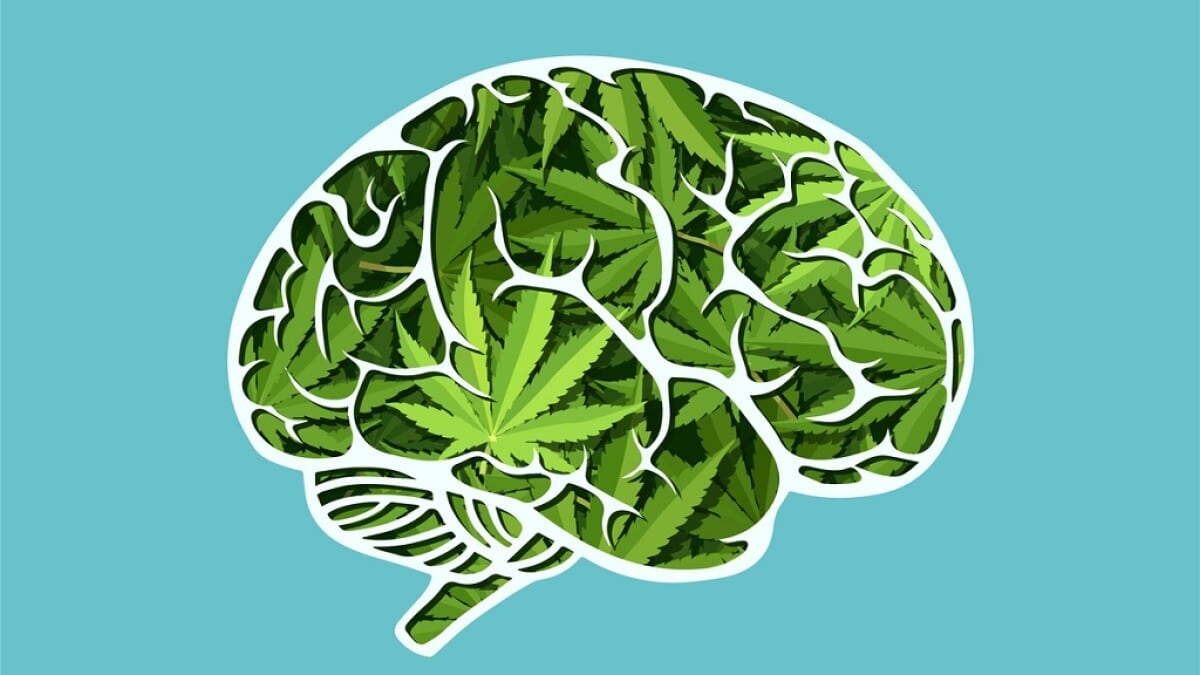
Strip away the cultural stories, and cannabis intoxication comes down to chemistry. THC binds to CB1 receptors in the brain’s endocannabinoid system, amplifying dopamine and tweaking perception. Time can feel elastic, senses sharpen or distort, and thought patterns wander into novel connections. Meanwhile, CBD and CBG modulate this response, softening edges, reducing anxiety, or balancing overstimulation. Neuroscientists describe the high as a controlled disruption of normal signaling—a way to briefly loosen the grip of everyday consciousness.
Why Humans Seek Altered States
Anthropologists argue that the desire to alter consciousness is nearly universal. From Siberian shamans drinking fermented reindeer milk to Silicon Valley coders microdosing, humans have always sought ways to step outside themselves. The cannabis high is one of the most accessible and socially resonant versions of this drive. It can be a tool for play, reflection, or healing. Far from being a fringe behavior, the high is an expression of something deeply human: the need to occasionally change the channel in our minds.
Creativity, Connection, and Caution
Science shows that cannabis can open creative pathways, making the brain more flexible in connecting ideas. Musicians, writers, and artists often credit the high with helping them access flow states. Socially, cannabis can create feelings of connection—whether that’s passing a joint at a concert or unwinding with friends after work. But it’s not a universally positive experience. For some, the same high brings paranoia, confusion, or lethargy. The art of using cannabis is knowing when, how, and with whom to engage with it.
The Future of the High
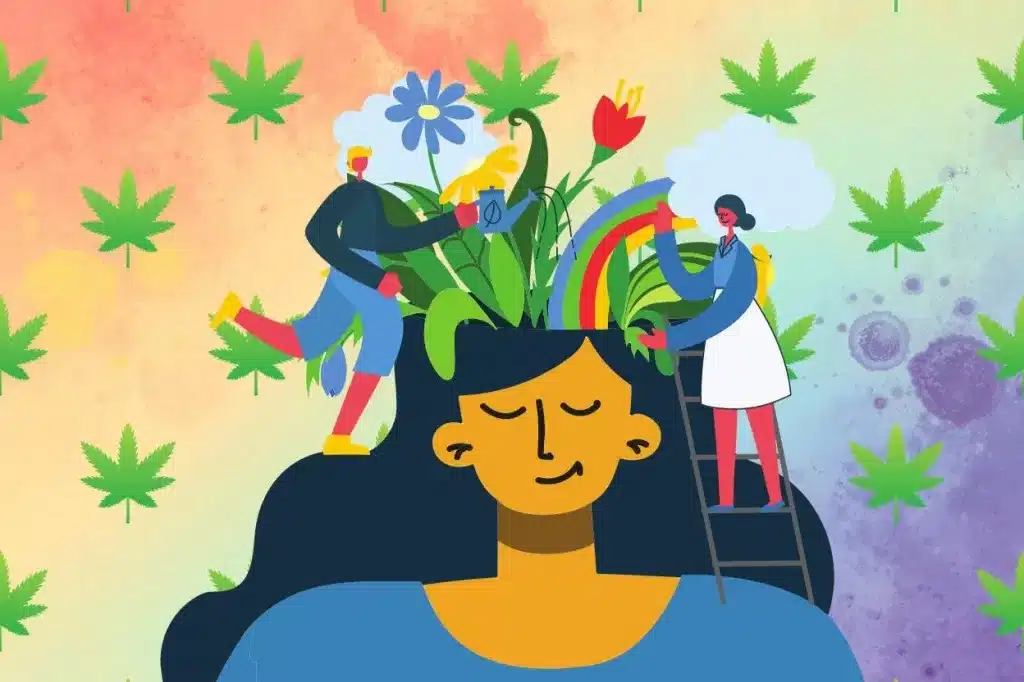
As cannabis legalization spreads, the high itself is being redefined. What was once an illicit thrill is becoming a normalized experience, tailored by precise cannabinoid ratios and terpene profiles. You can now choose a high that’s relaxing, energizing, or barely noticeable. Science and culture are converging, transforming “getting high” from a blunt concept into a nuanced spectrum. The question for the future isn’t whether people will seek out altered states—they always will. The question is how we’ll design, regulate, and understand those experiences.
Closing Thoughts
The cannabis high is more than a buzz. It’s a story written by culture, shaped by science, and experienced in countless unique ways. To dismiss it as dangerous or trivial is to ignore the depth of human curiosity and creativity bound up in the act of getting high. Like music, language, or ritual, it’s part of how we make sense of ourselves. And while science continues to map the mechanics, the meaning of the high will always be as much art as it is biology.