CBD, Hemp Benefits
Microdosing Calm: How Tiny Doses of CBD Rewire Big Emotions

The subtle science of small doses — and why a little CBD can sometimes do more than a lot.
The Subtle Revolution
We live in a world obsessed with “more.” More caffeine to stay sharp. More dopamine from screens. More intensity in everything.
But sometimes, what our brains and bodies crave is less — just enough to restore balance.
Microdosing CBD is quietly reshaping how people think about calm. It’s not about zoning out or chasing a feeling. It’s about tuning your internal chemistry just slightly — the smallest nudge toward equilibrium. And in a culture hooked on quick fixes and big reactions, that kind of subtlety feels revolutionary.
- What Microdosing Actually Means
- The Neuroscience of Small Doses
- Emotional Resets: Tiny Doses, Big Shifts
- How to Start Microdosing CBD
- Why It Works So Well with CBG
- A Gentle Kind of Change
What Microdosing Actually Means
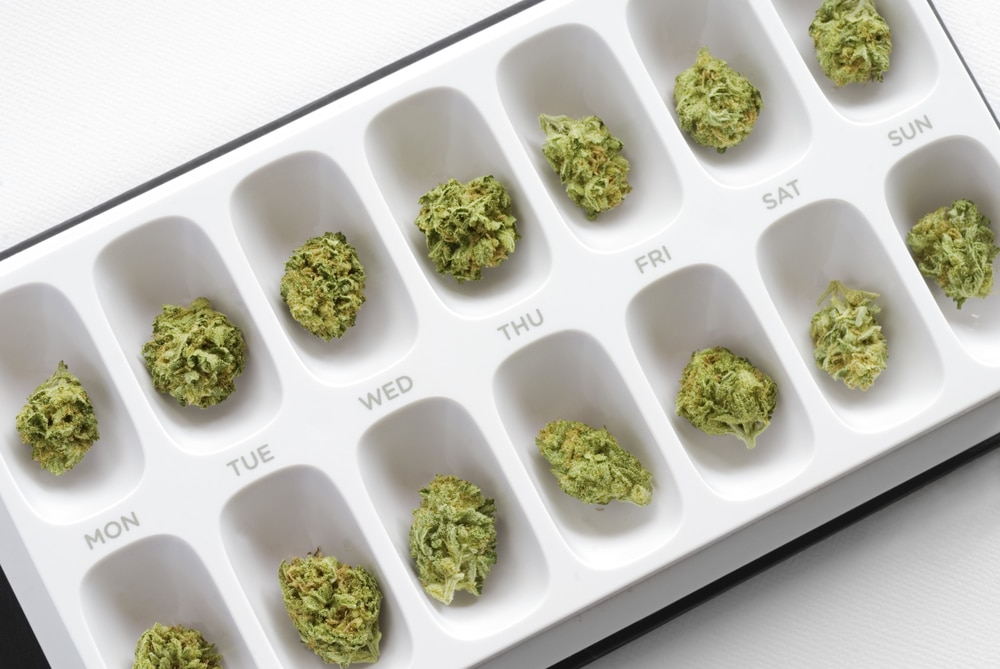
Microdosing means taking a dose that’s small enough to be sub-perceptual — you don’t feel “stoned” or noticeably altered, but something in your system starts to realign.
With CBD, that might mean just 2–5 mg, taken once or twice a day. The goal isn’t sedation; it’s stability.
In the world of psychedelics, microdosing is about enhancing creativity and emotional awareness. In the world of cannabinoids, it’s more about bringing the body’s endocannabinoid system (ECS) back into rhythm — the natural balancing network that influences mood, sleep, and stress response.
The Neuroscience of Small Doses
Here’s the interesting part: low doses of CBD don’t just “calm you down.” They may subtly adjust the way your brain handles information and emotion.
When you take CBD, it interacts with CB1 and CB2 receptors — key players in the ECS. At smaller doses, this interaction doesn’t suppress activity but rather encourages your system to find homeostasis on its own.
Think of it like a quiet reminder rather than a command.
Some studies suggest low-dose CBD supports serotonin signaling and helps regulate cortisol — the stress hormone that spikes during anxiety or fatigue. Over time, these micro-adjustments can create more resilience in how you process stress, emotion, and even pain.
Emotional Resets: Tiny Doses, Big Shifts
People who microdose CBD often describe it not as “feeling something,” but as feeling less of everything that drags them down.
The overreactions fade. The edges soften. You still experience stress — it just doesn’t hijack your day.
Small, consistent doses encourage emotional regulation. Instead of spiking from calm to panic to exhaustion, your baseline becomes steadier. In many ways, it mirrors what mindfulness does: it doesn’t erase the chaos, it just changes how you move through it.
Pairing microdosing with small rituals — like journaling, stretching, or deep breathing — can amplify the effect. It’s a subtle partnership between chemistry and intention.
How to Start Microdosing CBD
Start small — that’s the entire philosophy.
If you’re using a tincture, try just a quarter of a standard dropper (around 2–5 mg). Take it once or twice daily, ideally at the same times.
Notice how your body responds over the next few days — sleep quality, mood stability, or how easily you recover from small stressors.
If you’re feeling clear but steady, that’s exactly the point. You’re not supposed to notice a “hit” — you’re supposed to notice what’s not hitting you anymore.
Why It Works So Well with CBG
CBD’s quieter cousin, CBG, brings something extra to the mix.
While CBD works like a grounding force, CBG sharpens focus and alertness — making it ideal for daytime microdosing. The two cannabinoids complement each other beautifully: one smooths the nervous system, the other keeps the mind clear and active.
It’s like balancing calm with clarity — not too much of either, just enough of both.
A Gentle Kind of Change
In a world obsessed with breakthroughs and transformations, microdosing CBD is refreshingly humble. It’s not a hack or a shortcut — it’s a relationship with your own biochemistry.
You’re not chasing euphoria; you’re restoring balance.
You’re not escaping the moment; you’re refining how you move through it.
And in an age of extremes, that kind of quiet, sustainable calm might be the most radical act of all.