CBD, CBG, Hemp Benefits, THC-A
Are We Overstimulated — or Just Under-Relaxed?
Dopamine, Doomscrolling, and the Disappearance of Real Downtime
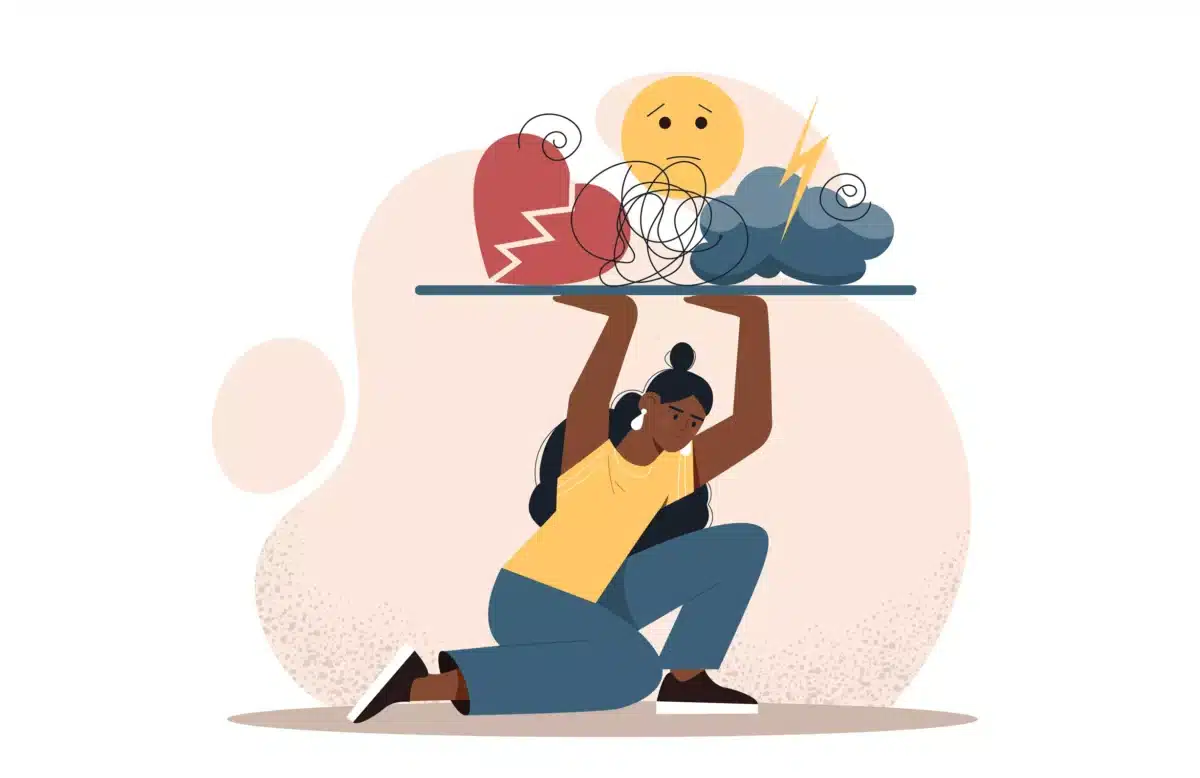
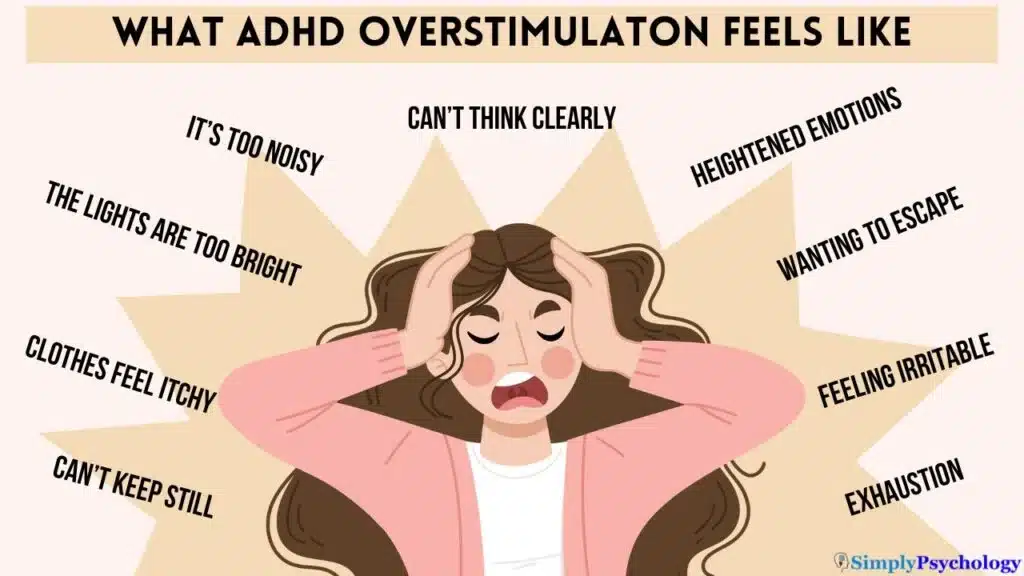
There’s a familiar feeling many of us share, even if we don’t have the language for it. You wake up tired. You scroll before your feet hit the floor. You bounce between notifications, caffeine, meetings, music, podcasts, news alerts, group chats. By the time night arrives, your body is exhausted — but your mind refuses to shut up.
So what’s going on?
Are we overstimulated…
or have we simply forgotten how to relax?
- The Age of Maximum Input
- Why Relaxing Doesn’t Work Anymore
- The Rise of Chemical Calm
- Why Gen Z Isn’t Drinking Like We Did
- Under-Relaxed Is the Real Diagnosis
- The Future of Chill
The Age of Maximum Input
Modern life is engineered for stimulation. Not rest — stimulation.
Our brains evolved to respond to novelty and threat in short bursts: rustling bushes, changing weather, the appearance of food or danger. Instead, we now live inside a nonstop feed of dopamine triggers — infinite scroll, autoplay, algorithmic outrage, artificial urgency. Every app wants attention. Every headline wants emotion. Every vibration feels important.
The result isn’t excitement. It’s background anxiety.
Neuroscientists call it allostatic load — the cumulative wear and tear on the nervous system when stress never fully resolves. We’re not running from predators anymore, but our bodies don’t know that. They’re still bracing. Still clenched. Still alert.
We’re not wired for this much input — especially without recovery.
Why “Relaxing” Doesn’t Work Anymore
Here’s the paradox: when people try to relax today, they often stimulate themselves even more.
“Relaxing” means binge-watching while scrolling.
It means gaming with Slack open.
It means drinking to turn the volume down — then paying for it tomorrow.
These aren’t breaks. They’re distractions.
True relaxation requires the nervous system to shift from sympathetic (fight-or-flight) into parasympathetic (rest-and-digest). That doesn’t happen automatically just because you stop working. It happens when the body feels safe enough to soften — and safety takes time.
But time is the one thing we refuse to give ourselves.
The Rise of Chemical Calm
This is where substances enter the conversation — not as escapism, but as tools.
Cannabis, CBD, mushrooms, adaptogens, even microdosing — their modern popularity isn’t random. They’re filling a gap. People aren’t trying to get obliterated. They’re trying to downshift.
CBD doesn’t knock you out; it quiets the stress response.
Low-dose cannabis doesn’t erase thought; it slows mental momentum.
Functional mushrooms don’t intoxicate; they stabilize.
These compounds interact with systems already built into the body — the endocannabinoid system, serotonin pathways, GABA receptors — mechanisms designed to regulate balance, mood, and recovery.
In other words, people aren’t broken.
They’re self-regulating in a world that refuses to slow down.
Why Gen Z Isn’t Drinking Like We Did
There’s a reason younger generations are drinking less alcohol than their parents — and it’s not because they’re boring.
Alcohol is blunt. It suppresses, dehydrates, disrupts sleep, and often amplifies anxiety the next day. For a generation raised on mental-health language, biohacking, and self-awareness, that trade-off feels outdated.
Cannabis and cannabinoids, on the other hand, offer selective relief. You can dial the volume down without blacking out. You can relax without losing the plot. You can feel different without feeling wrecked.
This shift isn’t about rebellion. It’s about precision.

Under-Relaxed Is the Real Diagnosis
When you zoom out, the problem isn’t that we’re overstimulated — it’s that we never fully come back down.
We stack stimulation on stimulation without closing the loop. No integration. No decompression. No nervous-system reset. Just sleep deprivation, shallow rest, and the expectation that we’ll do it all again tomorrow.
Relaxation used to be built into life: walking, communal meals, ritual, silence, boredom. We engineered all of that out — then wondered why anxiety filled the gap.
The Future of Chill
Maybe the problem isn’t that our brains are broken — it’s that they’ve been running at full volume for too long without a real off-switch.
We’ve optimized productivity, dopamine, and constant connection, but we’ve forgotten how to rest in ways that actually restore us.
Relaxation isn’t scrolling, or numbing out, or chasing the next distraction — it’s learning how to slow the nervous system, reclaim attention, and sit comfortably in our own heads again. In a culture addicted to stimulation, choosing real calm might be the most radical move left.
Back to TheCannaCompany.com