CBD, Uncategorized
The Death of Boredom — And Why Our Brains Are Freaking Out
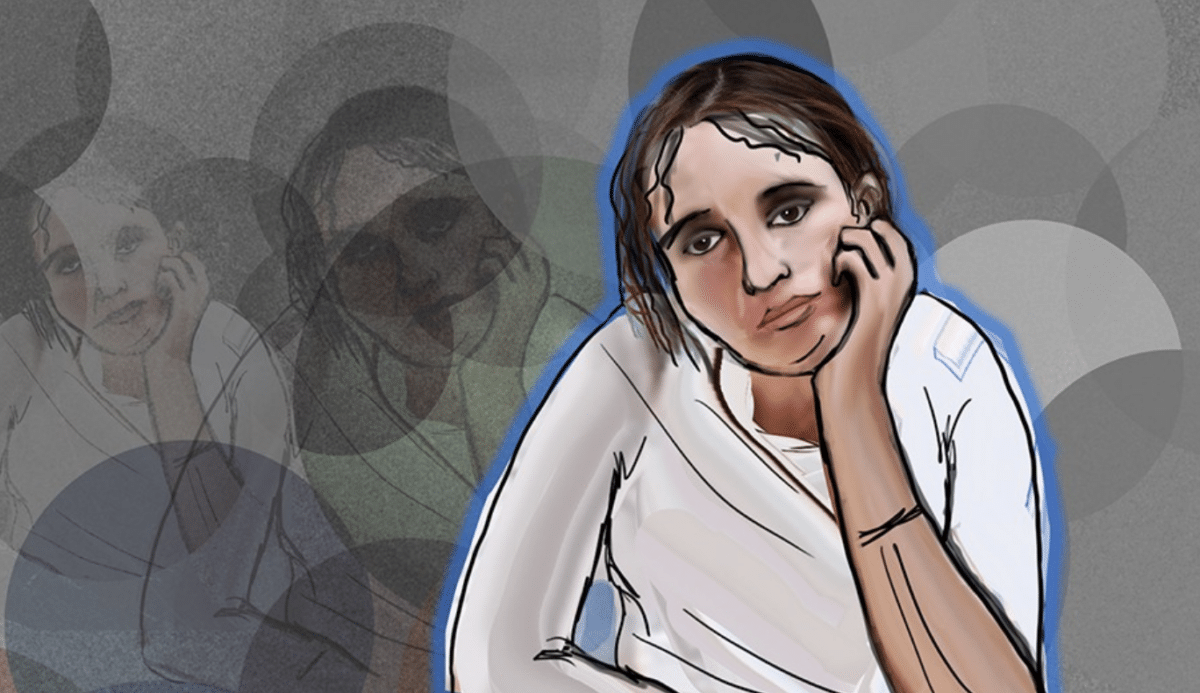
From Daydreaming to Doomscrolling: What We Lost When Boredom Disappeared
There was a time when boredom was unavoidable. Waiting for the bus. Lying on the carpet staring at the ceiling. Long car rides with nothing but your own thoughts and a smudged window to look through. Boredom wasn’t a problem — it was a condition of being alive.
Today, boredom is nearly extinct. And our brains are quietly unraveling because of it.
At the slightest hint of mental discomfort, we reach for stimulation: a phone unlock, a scroll, a notification hit, a podcast layered on top of music layered on top of work. Silence has become suspicious. Stillness feels wrong. And the idea of doing nothing — truly nothing — now borders on psychological threat.
But the human brain didn’t evolve for constant input. It evolved for rhythm: stimulation and rest. And we’ve all but erased the second half of that equation.
Boredom Was Never the Enemy
For most of human history, boredom was baked into daily life. There were long stretches without novelty, without entertainment, without dopamine drip-feeding us distraction. Those gaps weren’t empty — they were fertile.
Neuroscientists now know that boredom activates the brain’s default mode network, the system responsible for introspection, creativity, memory consolidation, and emotional processing. This is where ideas form. Where meaning gets stitched together. Where the brain cleans house.
In other words: boredom is where the mind makes sense of itself.
When we eliminate boredom entirely, we don’t become more efficient — we become mentally malnourished.
The Infinite Feed Problem
Modern technology didn’t just reduce boredom. It annihilated it.
Social media platforms, streaming services, and news cycles are engineered to eliminate friction — to ensure there is always something else waiting for your attention. One more video. One more headline. One more hit.
The brain, flooded with novelty, adapts by raising the threshold for satisfaction. What once felt engaging now feels dull. What once felt calm now feels empty. This is why people report feeling simultaneously overstimulated and underwhelmed — a paradox created by constant dopamine spikes without recovery.
We’re not addicted to stimulation because it feels good anymore.
We’re addicted because being without it feels unbearable.

Why Silence Feels So Loud Now
Many people assume their anxiety comes from stress, trauma, or overwork. Sometimes it does. But increasingly, it comes from something simpler: we never let the nervous system fully power down.
The moment stimulation stops, unprocessed thoughts rush in. Emotions surface. The mental noise we’ve been outrunning catches up. Instead of recognizing this as a sign we need rest, we interpret it as danger — and reach for distraction again.
This creates a feedback loop:
- Avoid stillness
- Build mental backlog
- Experience anxiety when stillness appears
- Avoid it harder next time
Eventually, the brain forgets how to idle.
Creativity Is Collateral Damage
Boredom has always been creativity’s quiet accomplice. Writers, artists, musicians, and thinkers have long described their best ideas emerging during downtime — walks, showers, idle staring, aimless wandering.
When every spare moment is filled, creativity doesn’t disappear — it gets crowded out.
Studies consistently show that people who experience moderate boredom perform better on creative problem-solving tasks. Why? Because boredom forces the brain to generate rather than consume.
Without boredom, imagination becomes a muscle that never fully flexes.
Relaxation Isn’t Passive Anymore
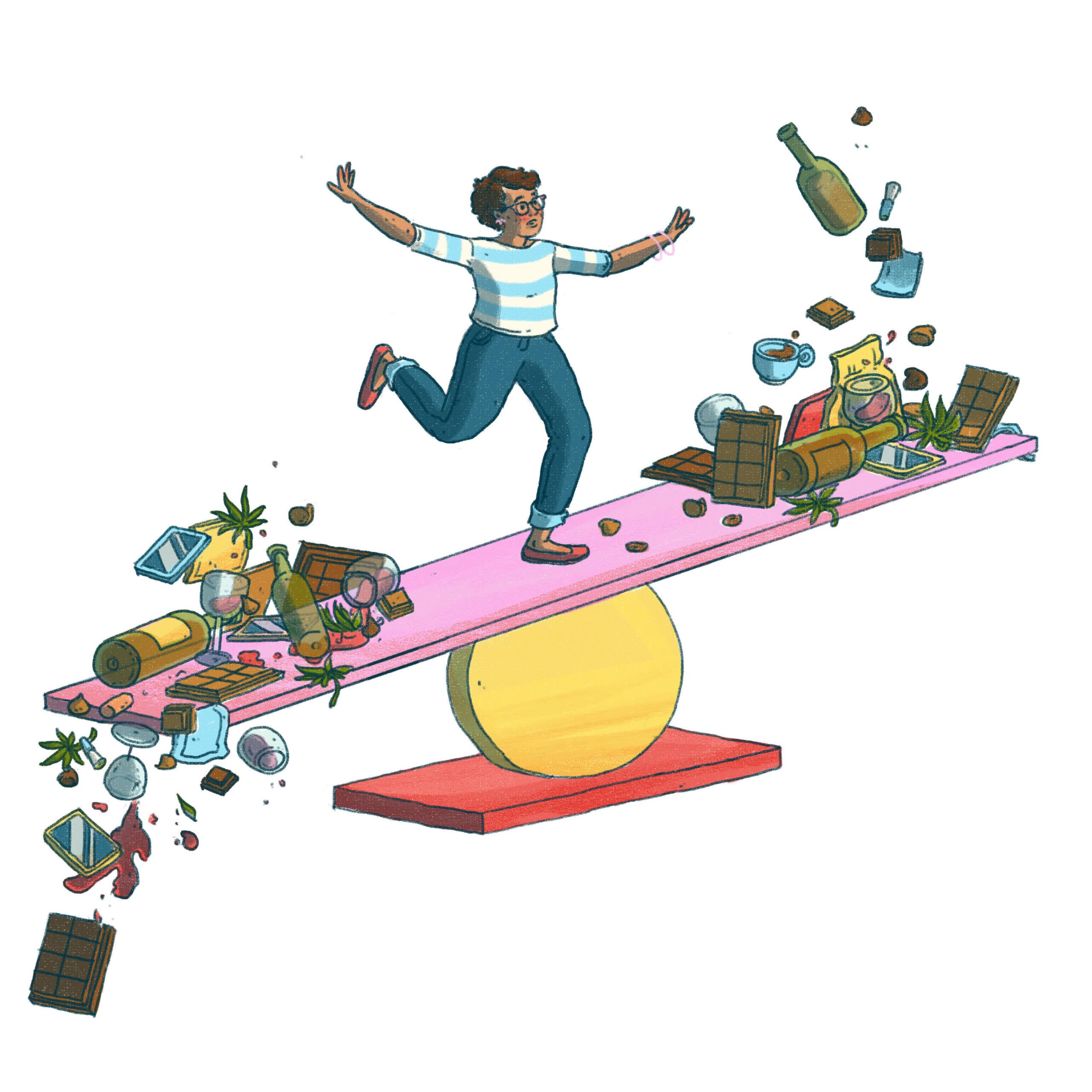
Even our attempts to relax are now hyper-stimulating. We don’t rest — we optimize rest. Breathwork apps. Productivity podcasts framed as “self-care.” Content that teaches us how to unwind while still delivering constant input.
True relaxation, the kind that resets the nervous system, is quiet. It’s repetitive. It’s boring by modern standards. And that’s precisely why it works.
The problem isn’t that we don’t relax enough.
It’s that we don’t tolerate the feeling of relaxation anymore.
Relearning Boredom
The solution isn’t abandoning technology or moving to a cabin in the woods. It’s rebuilding a relationship with boredom — intentionally, gently, without panic.
It looks like:
- Leaving your phone behind on short walks
- Letting your mind wander without steering it
- Sitting with discomfort long enough to see what emerges
- Allowing silence to last longer than feels productive
At first, boredom will feel itchy. Then awkward. Then — slowly — restorative.
Back to TheCannaCompany.com