


CBD, Hemp Benefits
Why Am I Always Tired? Why Rest No Longer Feels Restorative
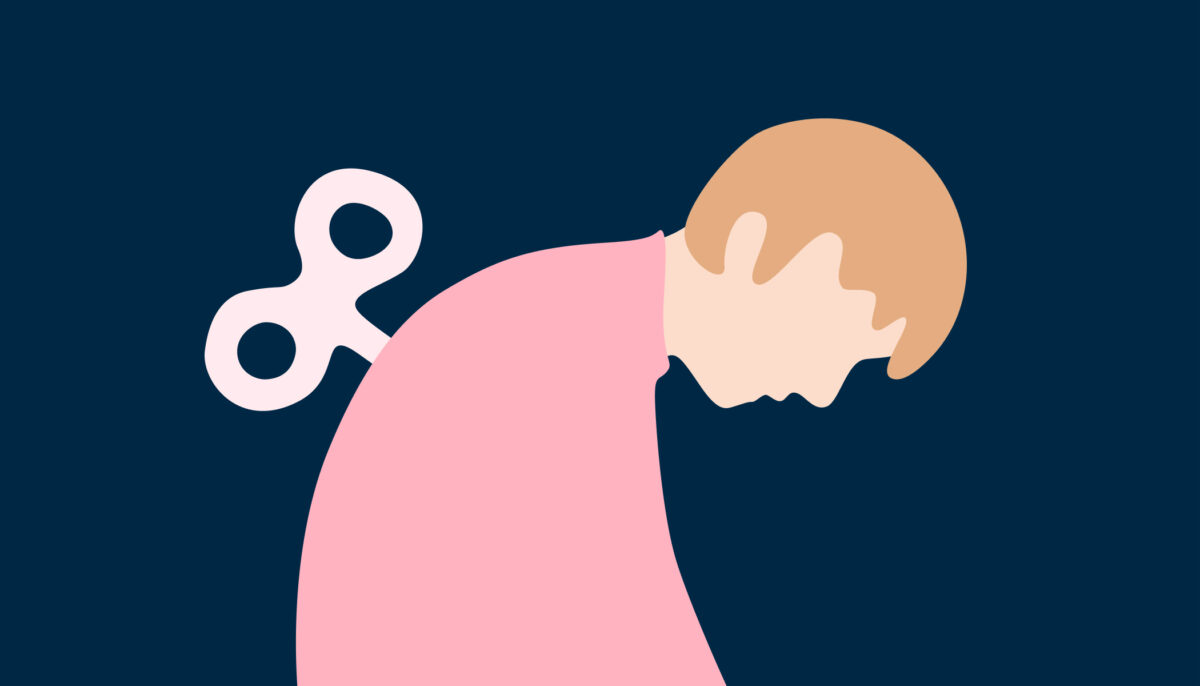
Weekends were supposed to fix things.
Two days to reset the nervous system. To sleep in. To catch up with friends. To feel human again before Monday hit like a brick. Somewhere along the way, that promise quietly collapsed — and now a lot of people wake up on Monday feeling just as tired as they did on Friday, if not worse.
The problem isn’t that we don’t have time off.
It’s that rest itself has been broken.
When Time Off Became Another Task
Weekends used to be empty by default. Now they’re overstuffed.
Errands. Social plans. Fitness goals. Side hustles. Content consumption. Catching up on emails you “didn’t have time for” during the week. Even relaxation has turned into something to schedule, optimize, and document.
We don’t drift into rest anymore — we manage it.
And the nervous system doesn’t recover from management. It recovers from safety, slowness, and lack of demand — all things modern weekends rarely provide.
The Always-On Nervous System
Rest isn’t just about stopping work. It’s about shifting the body out of a low-grade fight-or-flight state.
But modern life doesn’t really allow that shift.
Phones keep us reachable. News keeps us alert. Social media keeps us comparing. Even “fun” often comes with stimulation, performance, and subtle pressure. The brain stays semi-activated, scanning for input, threat, or novelty.
So when the weekend arrives, the body doesn’t exhale.
It just changes tasks.
Why Doing Nothing Feels Uncomfortable
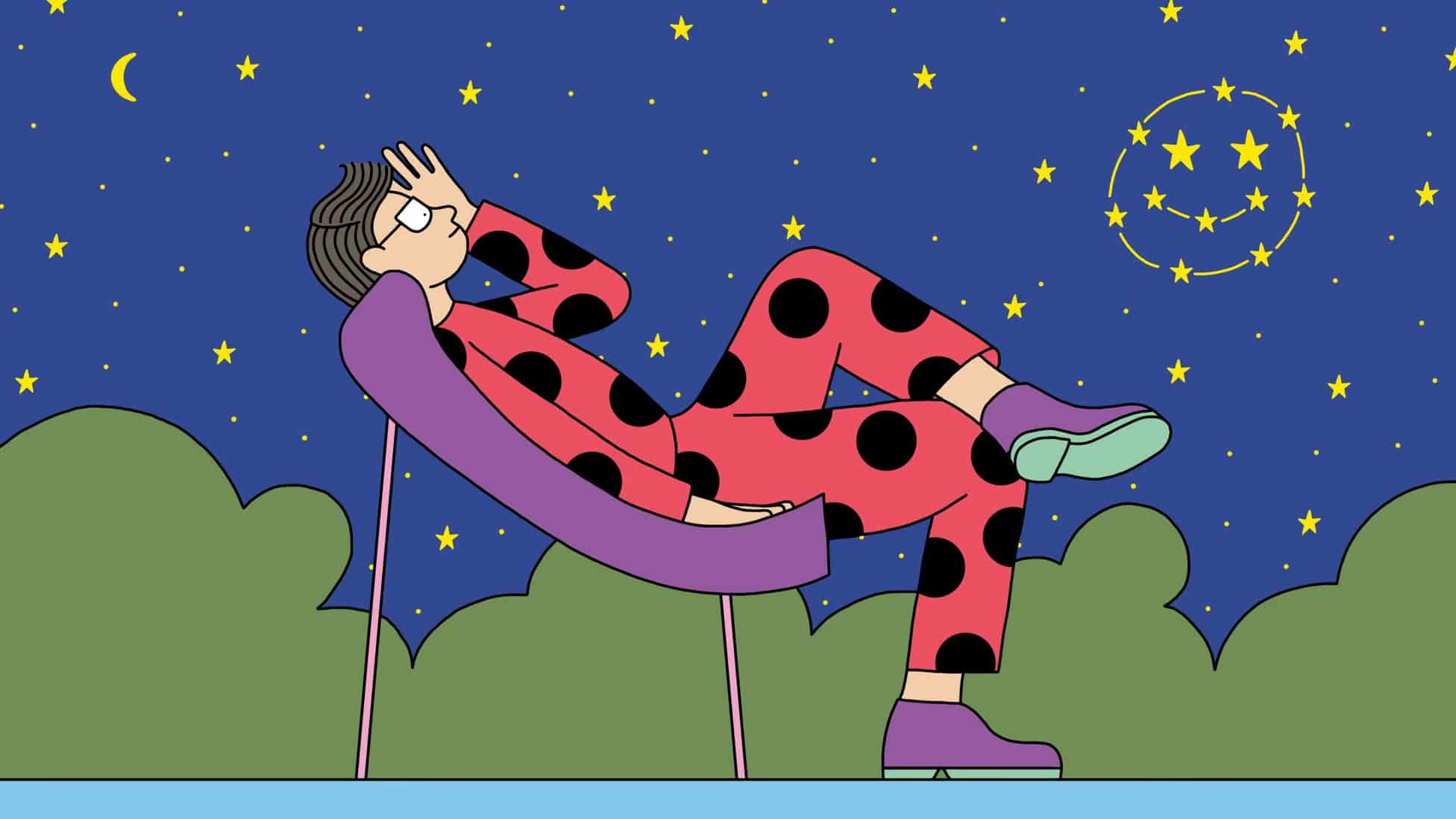
Ask someone to truly rest — no phone, no plans, no background noise — and watch how fast discomfort shows up.
That’s not laziness. It’s conditioning.
We’ve trained ourselves to associate stillness with unease. When stimulation drops, the mind fills the space with unfinished thoughts, emotional backlog, and nervous energy we never processed during the week.
Instead of recognizing that as a sign we need rest, we treat it like something to escape.
So we scroll.
We binge.
We stay busy.
And the exhaustion compounds.
The Weekend Isn’t Broken — Our Relationship to It Is
We’ve confused recovery with entertainment.
Entertainment distracts the mind. Recovery calms the nervous system. They overlap sometimes — but they’re not the same thing.
True rest is repetitive. Quiet. Slightly boring. It doesn’t spike dopamine. It doesn’t feel impressive. And it doesn’t photograph well.
That’s why it’s disappearing.
Chemical Shortcuts to Calm
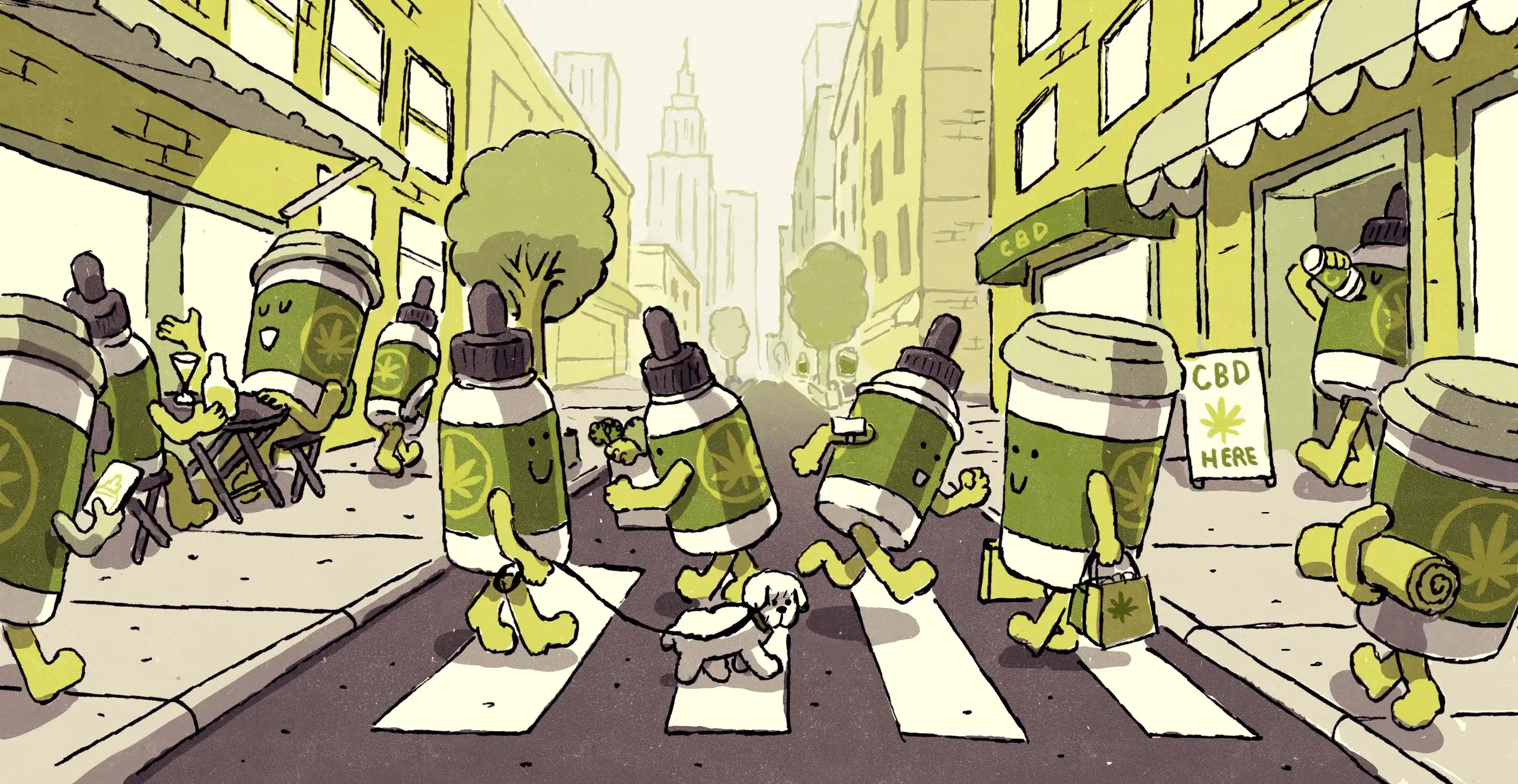
As weekends fail to restore us, people increasingly turn to substances — not to party, but to regulate.
CBD for the edge.
CBG for the mental static.
THCa or THC for the body melt.
Mushrooms for emotional reset.
Alcohol for forced numbness (though that one’s losing favor fast).
This isn’t moral failure — it’s adaptation.
When rest becomes inaccessible, regulation finds another route.
The shift away from alcohol toward cannabinoids and functional mushrooms isn’t just about health trends — it’s about finding gentler ways to downshift in a world that won’t slow down on its own.
Why Monday Feels So Heavy Now
If weekends don’t actually reset us, Monday becomes less a return to work and more a continuation of depletion.
The dread isn’t about labor itself — it’s about starting another cycle without having recovered from the last one.
Burnout doesn’t come from working too much.
It comes from never fully powering down.
The Quiet Truth
The weekend didn’t end because we lost days off.
It ended because we lost the ability to stop.
Rest isn’t gone.
It’s just asking for something we’re no longer practiced at giving:
our full permission to slow down.
And until we relearn that, no amount of time off will ever feel like enough.
Back to TheCannaCompany.com