


CBD, Hemp Benefits
Weed for Grown-Ups
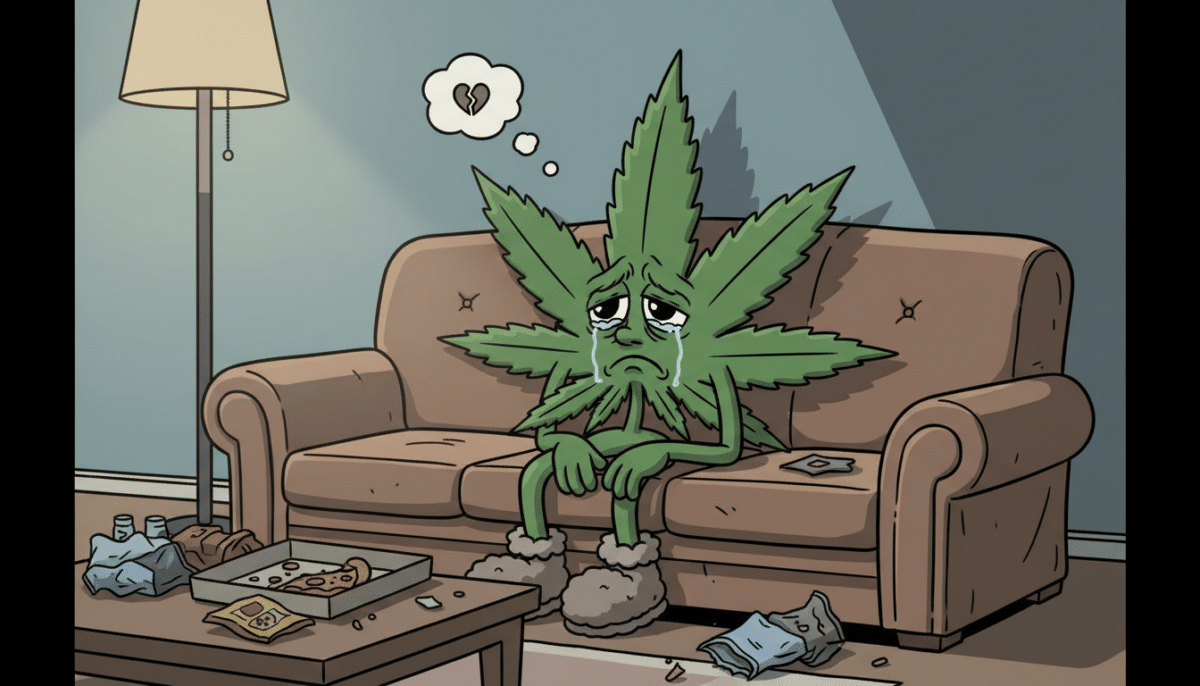
How Cannabis Outgrew the Couch
There was a time when weed was about getting wrecked.
You smoked whatever was around, took as many hits as your lungs could handle, and hoped for the best. The goal wasn’t clarity or calm — it was obliteration. Laughter, snacks, maybe a movie you wouldn’t remember. Cannabis was a party trick, a rebellion, a rite of passage.
But somewhere between legal dispensaries, rising anxiety, and our collective burnout, weed grew up. Or maybe we did.
The World Changed — and So Did the User
Modern life is loud. Screens never turn off. Work follows us home. Sleep is fractured, attention is fried, and everyone seems to be vibrating just slightly above a healthy baseline. For a growing number of adults, cannabis isn’t about turning up — it’s about turning things down.
The people reaching for weed today are older, busier, and more aware of their limits. They have deadlines, kids, chronic pain, social anxiety, and a deep suspicion of anything that leaves them foggy the next morning. They aren’t looking to disappear. They’re looking to function.
Cannabis didn’t change on its own. It evolved because the people using it did.
From Party Plant to Nervous System Tool
For decades, weed lived in the same cultural bucket as alcohol — a social lubricant, a way to loosen up or check out. But alcohol is starting to lose its shine, and cannabis is quietly stepping into a different role.
Instead of numbing the edges, grown-up weed is about regulating the nervous system. It’s about easing anxiety without obliterating focus, helping the body unwind without wrecking sleep, and offering relief without regret.
This shift has less to do with stigma disappearing and more to do with intention showing up.
The THC Problem No One Wants to Talk About
As legalization spread, so did the potency arms race. THC percentages climbed higher and higher, and for a while, that was treated as progress. Stronger meant better. More intense meant more legitimate.
But many adults discovered something uncomfortable along the way: high-THC weed doesn’t always feel good anymore.
Racing thoughts. Anxiety spikes. Paranoia. Mental fog that lingers into the next day. For people who just wanted to relax after work, cannabis started feeling like too much of a gamble. The problem wasn’t weed itself — it was the idea that THC was the only thing that mattered.
Enter the Grown-Up Cannabinoids
As THC lost its monopoly, other cannabinoids stepped into the spotlight.
CBD offered calm without chaos — a way to take the edge off without altering perception. CBG emerged as a quieter focus tool, helping people feel clear, steady, and emotionally level. THCa brought physical relief and decompression without the sharp psychoactive edge that turns many adults off.
This wasn’t cannabis getting weaker. It was cannabis getting more precise.
Instead of chasing intensity, grown-up weed started chasing balance.
The Quiet Replacement of Alcohol
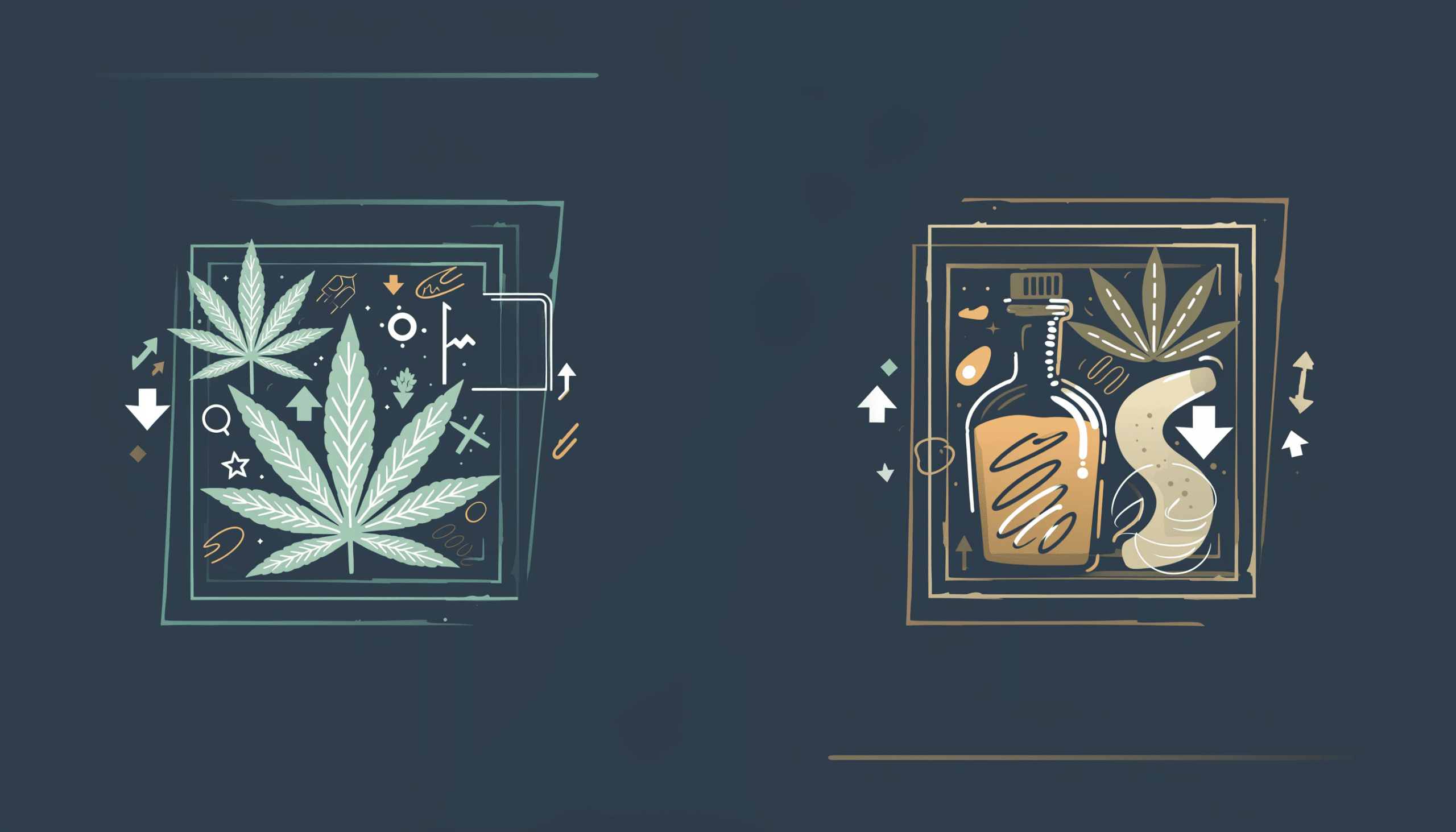
For many adults, cannabis didn’t just evolve — it replaced something else entirely.
Alcohol, once the default way to unwind, started feeling harsher with age. Hangovers got worse. Sleep got worse. The emotional cost became harder to ignore. In contrast, cannabinoids offered a softer landing.
A CBD tincture instead of a nightcap. A low-THCa joint instead of a third drink. Calm without dehydration. Relaxation without regret.
No announcements. No moral crusades. Just quieter choices.
This Isn’t About Sobering Up — It’s About Growing Up
Weed didn’t disappear when adulthood arrived. It matured.
The future of cannabis isn’t louder or stronger. It’s calmer, cleaner, and more intentional. Less couch-locked. More present.
We didn’t quit weed.
We refined it.
Back to TheCannaCompany.com