Tag Archives: CBD

Is CBD Better Than Tylenol?

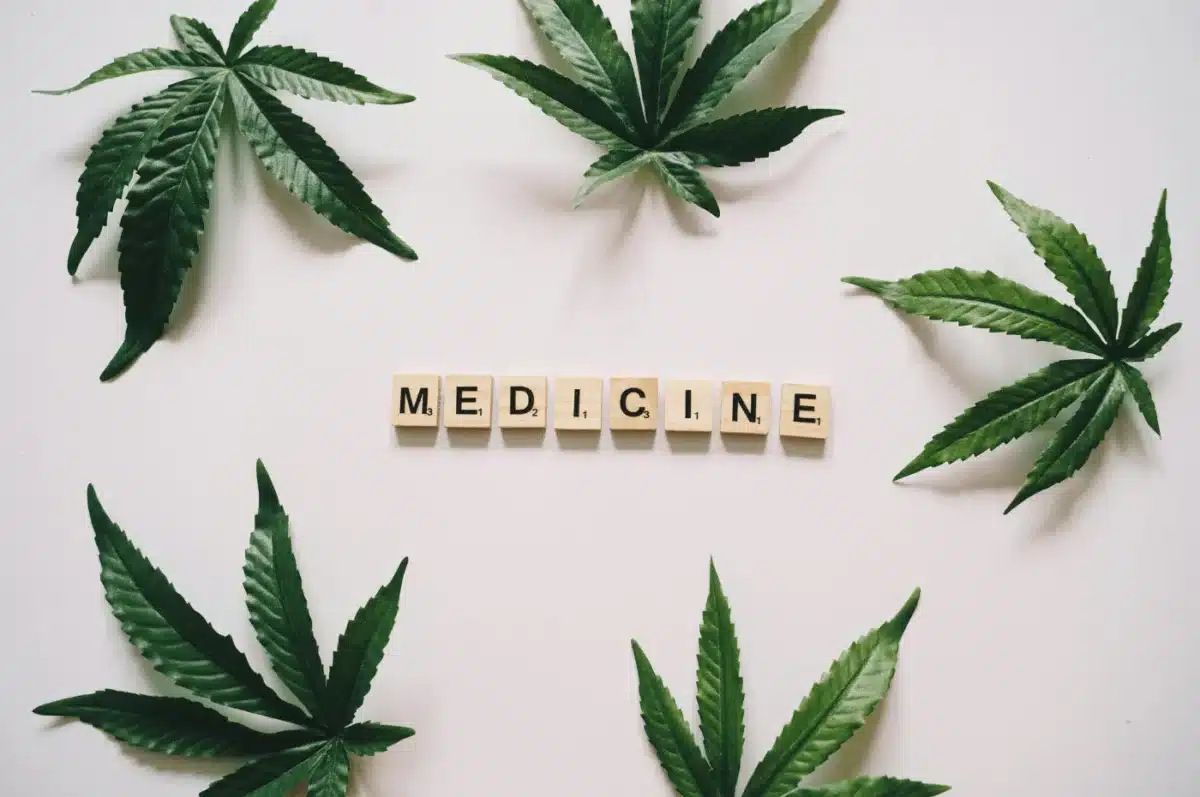
Comparison of CBD and Tylenol for pain relief, showing CBD as a safer alternative

Tylenol is in almost every medicine cabinet in North America. It’s the quiet hero for headaches, sore backs, and post-gym regret. But here’s the thing: it works through mechanisms we still don’t fully understand — and in high doses, it’s one of the leading causes of acute liver failure.

Meanwhile, CBD has been quietly building a résumé backed by peer-reviewed research, anti-inflammatory potential, and a dramatically different safety profile.

So… if both are used for pain — why are more people reaching for one and rethinking the other?

In this deep dive, we unpack what the science actually says about acetaminophen, what researchers are discovering about CBD, and why the conversation around “everyday pain relief” might be overdue for a serious upgrade.
Why Parents Are Talking Openly About Cannabis

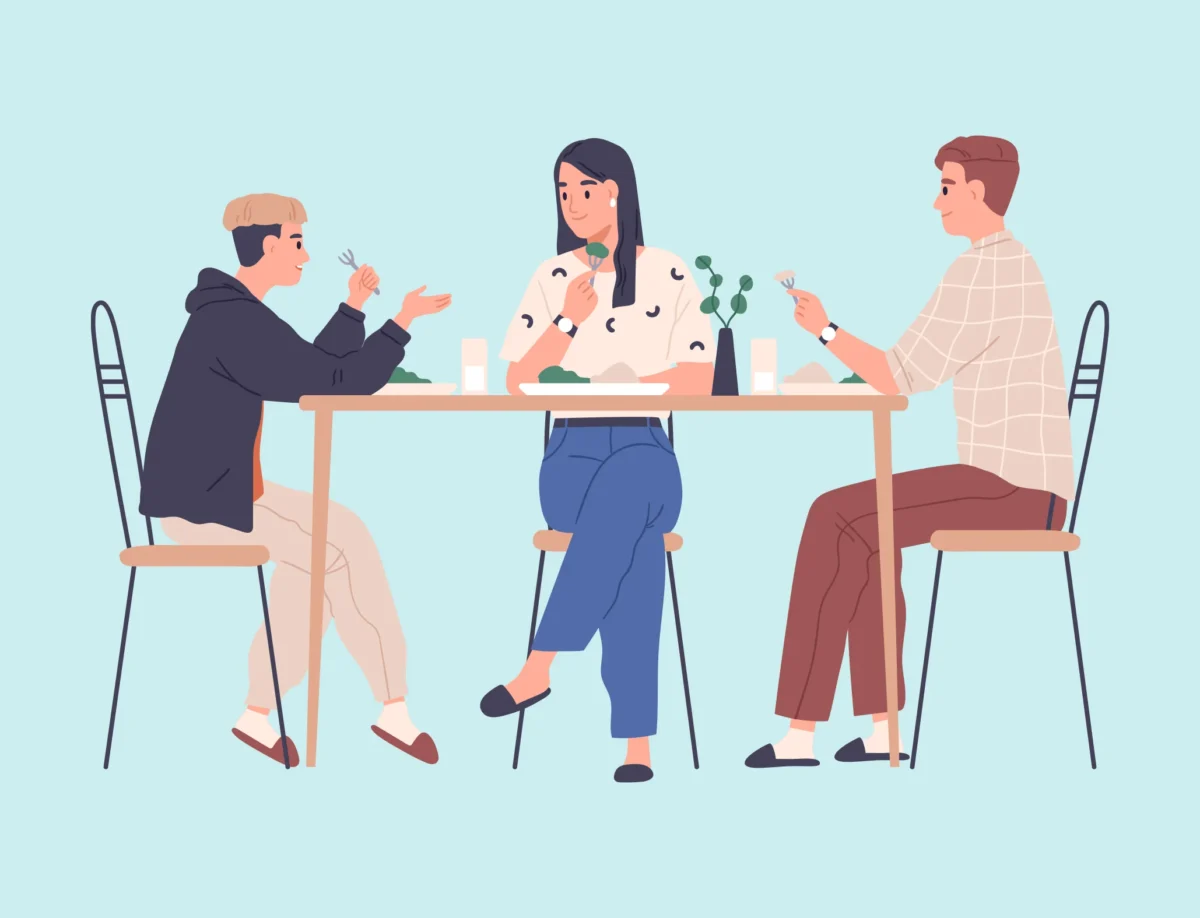
Parents and teenager having an open conversation about cannabis, focusing on CBD and wellness

Not long ago, cannabis was something parents hid — a relic of college stories or whispered jokes at dinner parties. Today, that silence is fading. More parents are talking openly about CBD and other cannabinoids, not as rebellion, but as part of a thoughtful wellness routine.

From stress regulation to better sleep, plant-based tools are becoming part of honest conversations about modern parenting. In this essay, we explore why stigma is softening, how cannabinoids like CBD and CBG fit into family life, and why transparency — not taboo — may be the biggest cultural shift of all.

Why Athletes Are Quietly Switching from CBD to CBG

Athlete stretching with cannabinoids for recovery, symbolizing CBD and CBG for performance and wellness

For years, CBD was the go-to cannabinoid for recovery — trusted by athletes looking to manage soreness, sleep better, and stay loose without getting high. But lately, a quieter shift has been happening in gyms, locker rooms, and training circles. Some athletes are swapping CBD for CBG — not because it’s trendier, but because it feels more functional.

In this essay, we explore why CBG is gaining traction among performance-focused athletes, how it differs from CBD, and what this subtle switch says about the future of recovery, focus, and functional cannabis.

Cannabis for People Who Don’t Like Drugs

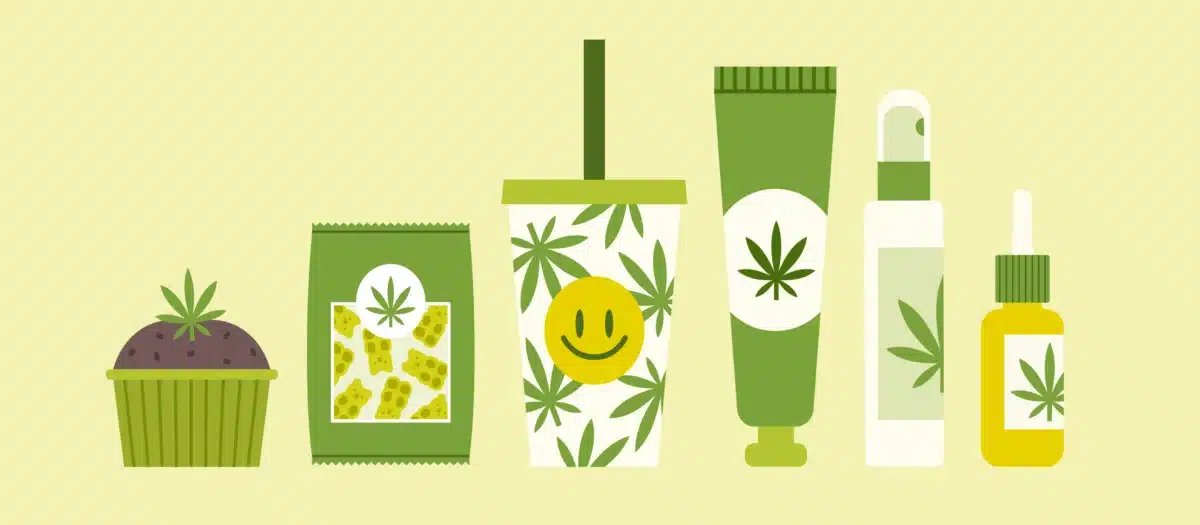
Infographic showing cannabis leaves and medical marijuana icons representing therapeutic cannabis use and functional benefits without psychoactive intensity.

Not everyone who uses cannabis wants to get high. A growing number of people are turning to cannabinoids not for escape or euphoria, but for calm, clarity, and control. As modern life pushes stress levels higher, CBD, CBG, THCa, and low-dose THC are reshaping cannabis into something quieter and more intentional — a way to unwind without checking out. This is cannabis for people who don’t like drugs: subtle, functional, and designed to support real life, not overpower it.

Weed for Grown-Ups

Weed used to be about getting wrecked. As adulthood brought stress, burnout, and overstimulation, cannabis quietly evolved alongside its users. Today’s grown-up weed isn’t chasing the highest THC or the wildest high — it’s focused on balance, clarity, and intention. From CBD and CBG to low-dose THC and THCa, cannabis has become less of a party and more of a tool: something to help people unwind without checking out, sleep without regret, and show up the next day feeling human.

The Anti-Alcohol Generation: Why CBD, THCa, and Cannabis Are Replacing the Drink

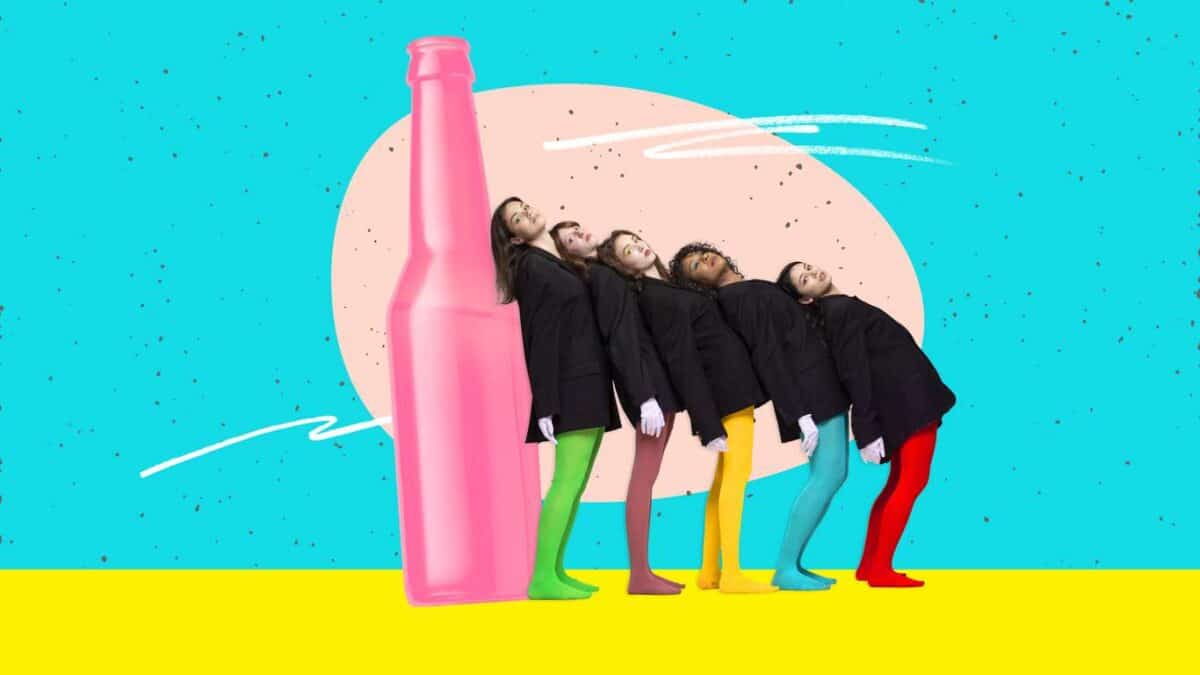
Stylized illustration of young adults with a bottle representing Gen Z drinking culture and changing alcohol habits.

Alcohol isn’t disappearing — it’s just losing its grip. Younger generations are drinking less, not because they’re sober, but because they’re selective about how they alter their state. Hangovers, anxiety, and loss of control no longer feel like a fair trade for a night out. In alcohol’s place, CBD, THCa, low-dose THC, and even occasional mushroom use are offering something softer: relaxation without regret, clarity without chaos, and mornings that don’t feel borrowed from tomorrow. This piece explores why the Anti-Alcohol Generation isn’t rejecting intoxication — they’re upgrading it.

Why Am I Always Tired? Why Rest No Longer Feels Restorative

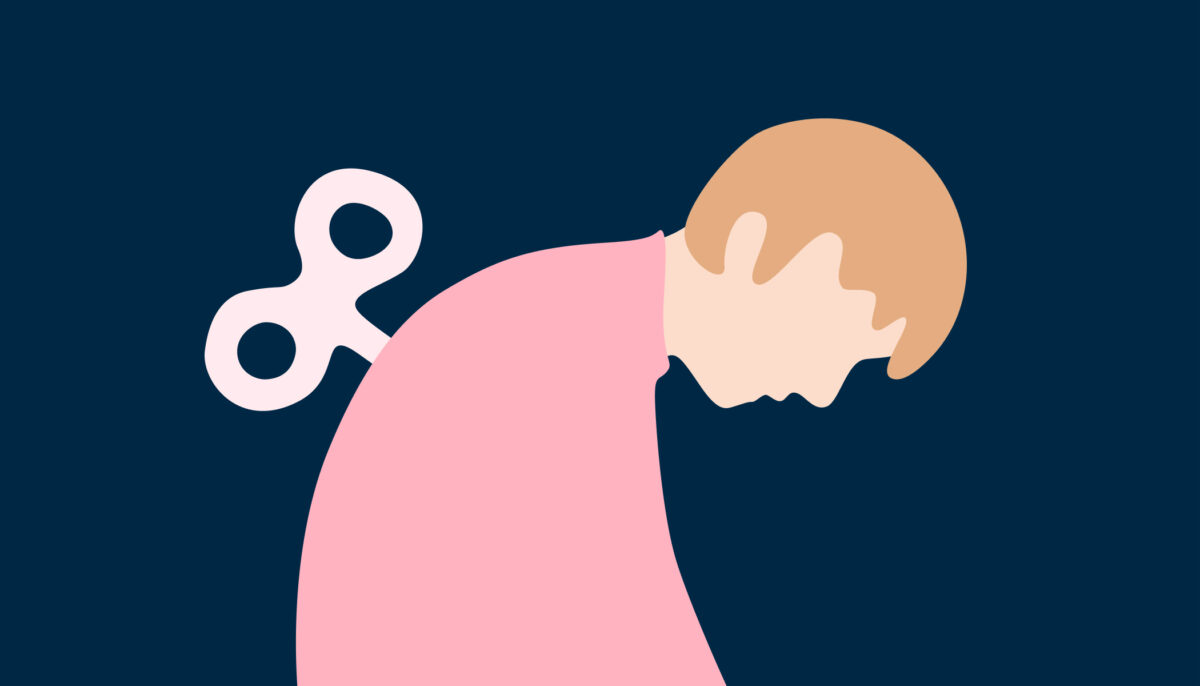
Illustration of a fatigued person hunched over with wind-up key, symbolizing chronic tiredness and exhaustion in a modern overstimulated life.

Weekends were supposed to fix us. Two days to reset, recharge, and return to Monday feeling human again. But somewhere along the way, rest stopped working. Time off became overbooked, overstimulating, and strangely exhausting — leaving many people just as drained on Monday morning as they were on Friday night. This piece explores how modern life broke our relationship with rest, why doing nothing now feels uncomfortable, and what it might take to actually recover in a world that never fully shuts off.

Are We Overstimulated — or Just Under-Relaxed?

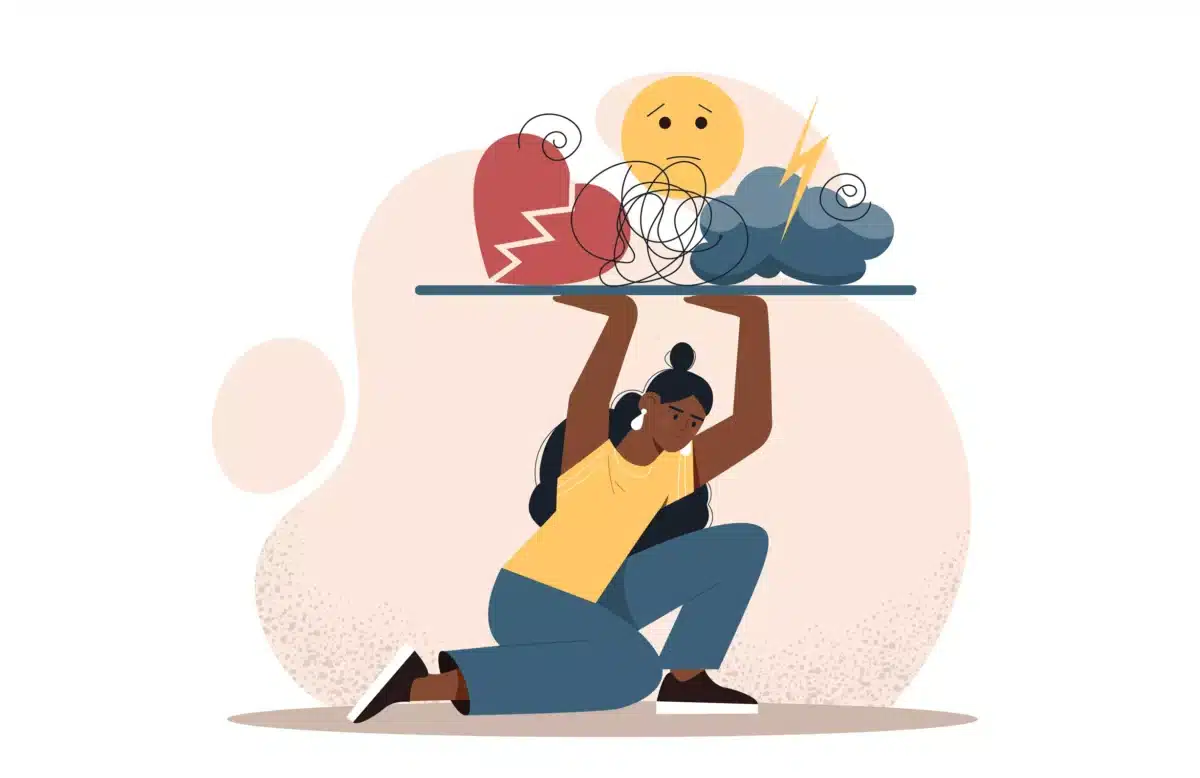
Illustration of a person carrying emotional weight — stress symbols and confusion representing mental overload and under-relaxation.

We don’t live in a tired world — we live in an overstimulated one. From the moment we wake up, our nervous systems are hit with notifications, headlines, artificial light, caffeine spikes, and an endless feed engineered to keep us alert, reactive, and scrolling. The result isn’t just stress or burnout — it’s a baseline state of low-grade fight-or-flight that never fully shuts off. Increasingly, the question isn’t why we’re anxious, unfocused, or exhausted — but whether modern life has simply forgotten how to let the body relax. As science takes a closer look at the nervous system, attention economy, and the rise of calming tools like CBD, breathwork, and plant medicine, a new idea is emerging: maybe we’re not broken — maybe we’re just profoundly under-relaxed.

Will Cannabis Replace Alcohol in 20 Years? A Realistic Look at the Data, Trends & Tech

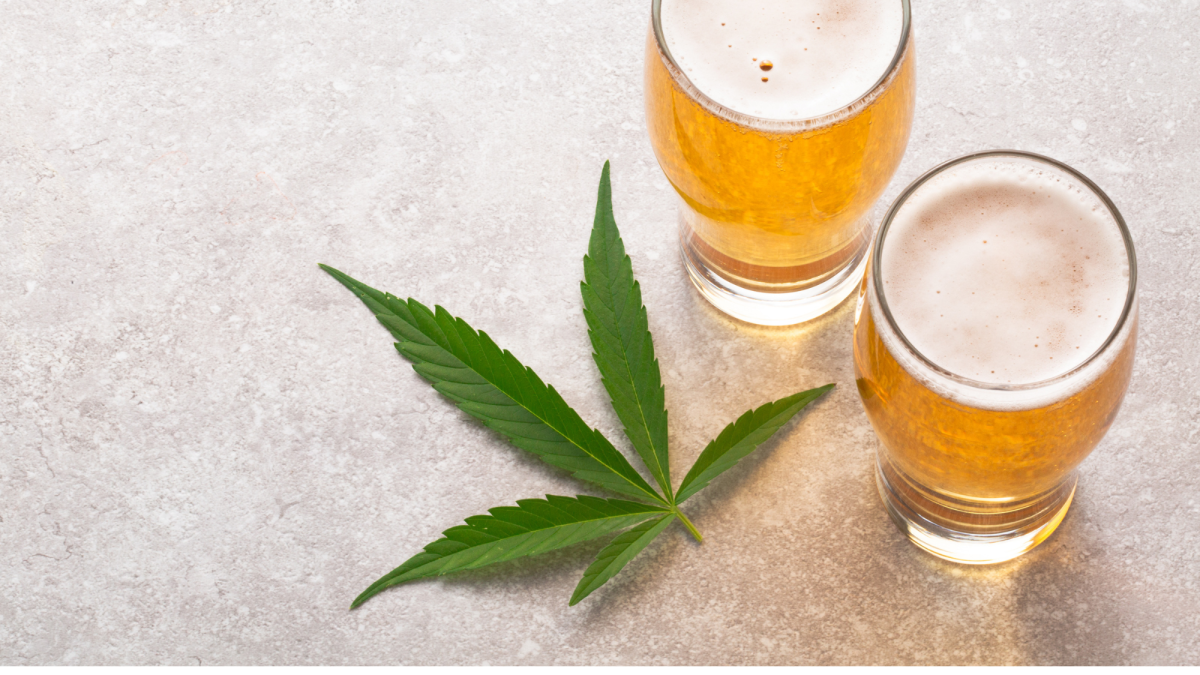
Glass of cannabis drink beside a beer bottle on a wooden table — comparing weed and alcohol consumption

Alcohol sales are slipping, cannabis culture is exploding, and Gen Z is quietly rewriting the rules of intoxication. As younger generations drink significantly less than Millennials and far less than Boomers, a new question is taking shape: are we watching alcohol’s first real challenger emerge in real time? From THC-infused beverages and alcohol-free bars to biosynthetic cannabinoids and AI-personalized dosing, the cannabis industry is evolving at a pace liquor can’t match. This piece dives into the social trends, the tech breakthroughs, and the cultural shift driving the possibility that within two decades, ordering a “strong one” might mean something very different than it does today.

The Botanist’s Arms Race: Why Plants Keep Evolving Chemicals Humans Love

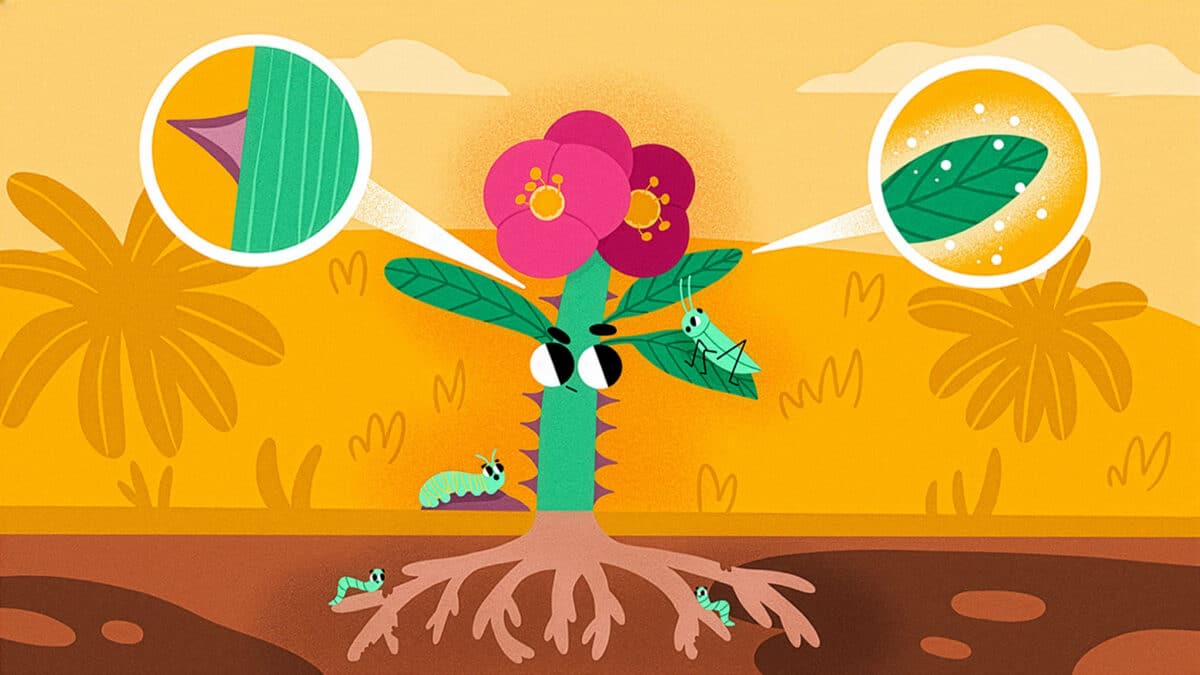
Diagram showing diverse plants—hemp (cannabis), coffee, cacao, mushrooms—highlighting natural chemical defense and psychoactive compound diversity

For thousands of years, humans have chased the same strange magic: plants and fungi that change the way we feel. From cannabis and coffee to cacao, kava, and even mushrooms with mind-bending chemistry, these species evolved their potent compounds long before humans ever walked the earth. Yet somehow, our brains ended up wired to love them. This article explores the wild evolutionary back-and-forth — the botanical arms race — that produced caffeine to repel insects, THC to fend off hungry herbivores, psilocybin to scramble predators, and the bitter alkaloids in cacao that were meant to warn animals away.

Ironically, the very chemicals plants invented to protect themselves are the ones humans now treasure for focus, calm, energy, and transcendence. Why did nature design these molecules… and why did we become the perfect consumers for them?