Cannabis spent 88 years as a Schedule I substance — officially more dangerous than cocaine, according to the federal government. Meanwhile, the thing sitting in your medicine cabinet right now kills 500 Americans a year. The processed meat in your fridge is classified in the same carcinogen category as tobacco. And loneliness, per the U.S. Surgeon General, carries the same mortality risk as smoking 15 cigarettes a day. Here are six completely legal things that, by the numbers, would like a word.
Tag Archives: Cannabis
Cannabis spent 88 years as a Schedule I substance — officially more dangerous than cocaine, according to the federal government. Meanwhile, the thing sitting in your medicine cabinet right now kills 500 Americans a year. The processed meat in your fridge is classified in the same carcinogen category as tobacco. And loneliness, per the U.S. Surgeon General, carries the same mortality risk as smoking 15 cigarettes a day. Here are six completely legal things that, by the numbers, would like a word.
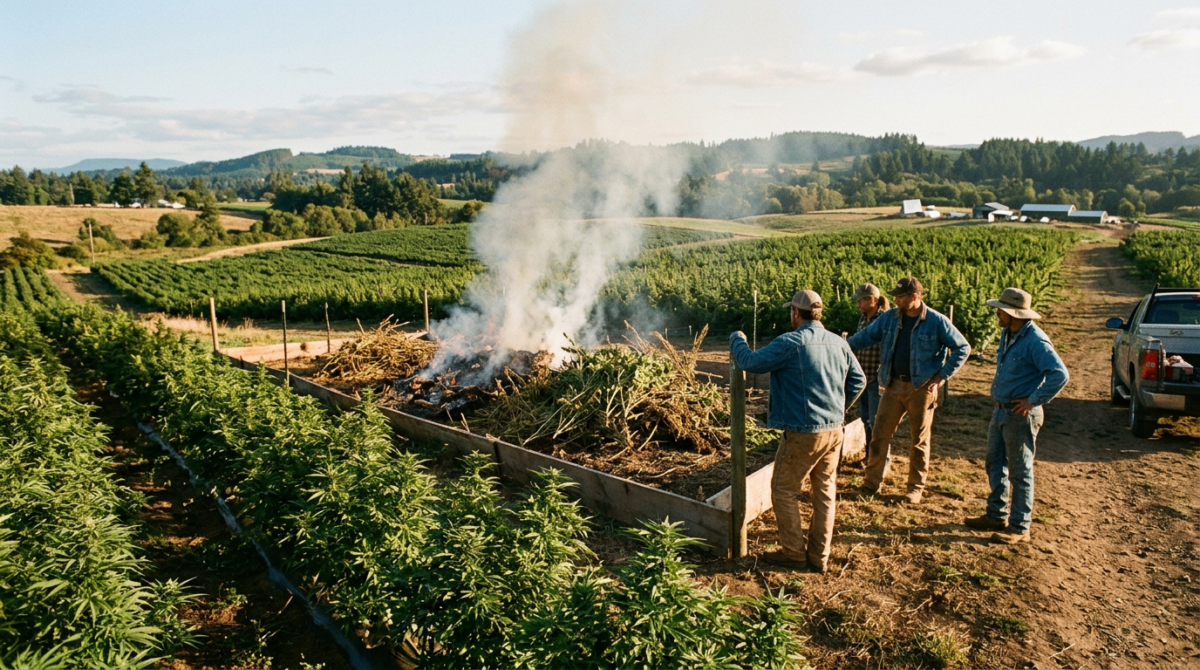
Governments have been trying to ban plants that make people feel good for at least 500 years. Coffee got a man fired in Mecca in 1511. A Turkish sultan personally decapitated coffee drinkers in the street. Britain taxed tea so aggressively it accidentally created the United States. Alcohol prohibition built organized crime and lasted 13 years. Cannabis prohibition lasted 88. The details change. The pattern doesn’t. Here’s a brief and embarrassing tour through humanity’s worst habit.
About 1.3 million women enter menopause every year in the United States. Most of them will navigate hot flashes, broken sleep, joint pain, anxiety, and brain fog — often with limited support from a medical system that has historically underfunded women’s health research. A growing number are quietly turning to CBD and CBG. The science is starting to back them up. Here’s what the research actually says, symptom by symptom.
CBD is not a sleeping pill. It doesn’t work like one, and expecting it to will lead to disappointment. What it may do — particularly for anxiety-driven sleeplessness — is reduce the neurological friction that keeps your brain in threat-detection mode when it should be powering down. But there’s a second cannabinoid entering the conversation that works through an entirely different mechanism, and the 2024 research behind it is genuinely surprising. Here’s the neuroscience, the honest caveats, and what’s actually worth trying.
Full disclosure: this is not a clinical trial. There’s no control group, no blinding, and no lab coat involved. Just one person, five CBD formats, 30 days, and a genuine curiosity about why some products seem to do something while others feel like an expensive placebo. The answer, it turns out, depends almost entirely on what you’re using — and what you’re using it for. Three formats were worth continuing. Two weren’t. Here’s the breakdown.
Something weird is happening at parties. The beer is getting warm, the wine is going unfinished, and someone in the corner is passing around a gummy instead of a shot glass. This isn’t a vibe shift — it’s a data-backed generational pivot. 65% of Gen Zers plan to drink less in 2025, and 56% say they’ve actively replaced alcohol with cannabis. Here’s what that’s actually doing to bars, house parties, and Saturday nights.
In 2018, at the height of the opioid epidemic, the FDA approved Dsuvia — a synthetic opioid 1,000 times stronger than morphine — over the objections of its own advisory panel chairman and sitting U.S. senators. That same agency, working alongside the DEA, had spent decades making cannabis research so difficult that scientists could barely study it. Same regulator. Same era. Very different priorities. Here’s the timeline they don’t put in the brochure.
Cannabis legalization has changed a lot of things — dispensaries are open, products are regulated, and millions of adults now purchase cannabis as casually as a bottle of wine.
But step into a job interview and the rules suddenly feel stuck in a different decade.
Across North America, employees can legally buy cannabis on the weekend and still fail a workplace drug test on Monday. The contradiction has left many workers asking the same question: if weed is legal now, why are companies still testing for it?
In this article, we break down the surprising reason workplace policies haven’t caught up with legalization, why cannabis drug tests don’t actually measure impairment, and how cannabinoids like CBD are adding new complexity to an already outdated system.
For 200 years, the pharmaceutical industry ran the same play: find a plant that heals people, rip out the one compound doing the work, patent it, and sell it back at scale. Aspirin from willow bark. Morphine from the poppy. Quinine from cinchona. It wasn’t a conspiracy — it was just business. But here’s what that model quietly left behind: everything else in the plant. And with cannabis, the science is starting to suggest that “everything else” might be exactly the point.
- 1
- 2