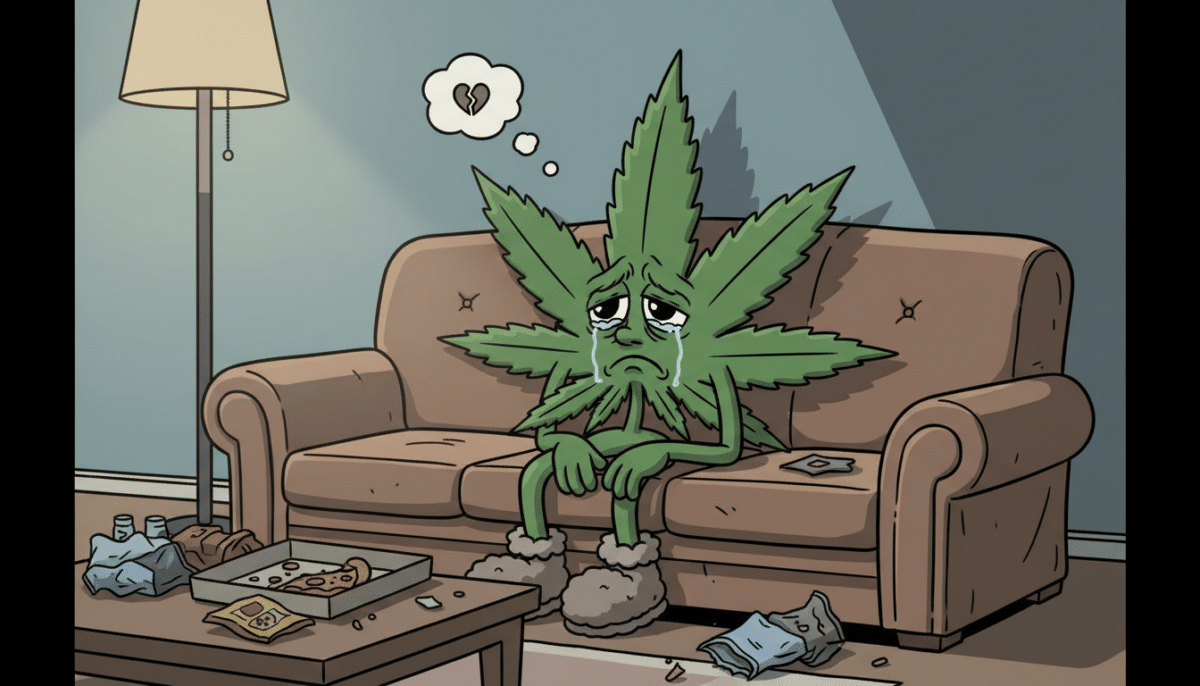
Cannabis spent 88 years as a Schedule I substance — officially more dangerous than cocaine, according to the federal government. Meanwhile, the thing sitting in your medicine cabinet right now kills 500 Americans a year. The processed meat in your fridge is classified in the same carcinogen category as tobacco. And loneliness, per the U.S. Surgeon General, carries the same mortality risk as smoking 15 cigarettes a day. Here are six completely legal things that, by the numbers, would like a word.
Tag Archives: Benefits
Cannabis spent 88 years as a Schedule I substance — officially more dangerous than cocaine, according to the federal government. Meanwhile, the thing sitting in your medicine cabinet right now kills 500 Americans a year. The processed meat in your fridge is classified in the same carcinogen category as tobacco. And loneliness, per the U.S. Surgeon General, carries the same mortality risk as smoking 15 cigarettes a day. Here are six completely legal things that, by the numbers, would like a word.
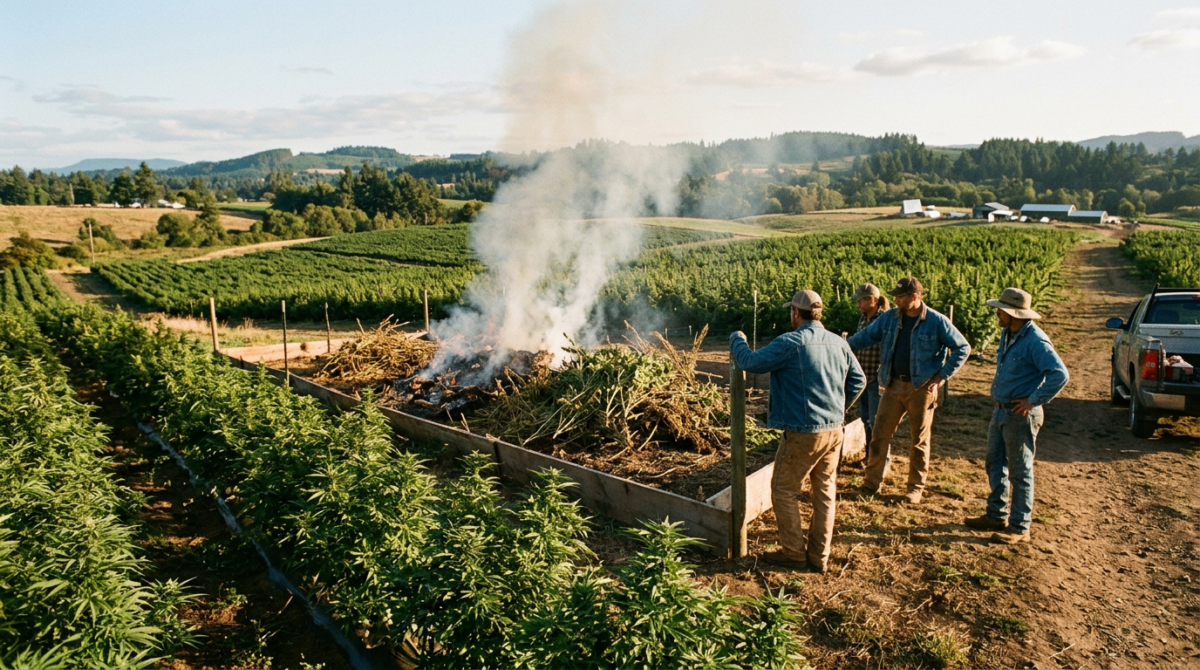
Governments have been trying to ban plants that make people feel good for at least 500 years. Coffee got a man fired in Mecca in 1511. A Turkish sultan personally decapitated coffee drinkers in the street. Britain taxed tea so aggressively it accidentally created the United States. Alcohol prohibition built organized crime and lasted 13 years. Cannabis prohibition lasted 88. The details change. The pattern doesn’t. Here’s a brief and embarrassing tour through humanity’s worst habit.
CBD is not a sleeping pill. It doesn’t work like one, and expecting it to will lead to disappointment. What it may do — particularly for anxiety-driven sleeplessness — is reduce the neurological friction that keeps your brain in threat-detection mode when it should be powering down. But there’s a second cannabinoid entering the conversation that works through an entirely different mechanism, and the 2024 research behind it is genuinely surprising. Here’s the neuroscience, the honest caveats, and what’s actually worth trying.
Cannabis legalization has changed a lot of things — dispensaries are open, products are regulated, and millions of adults now purchase cannabis as casually as a bottle of wine.
But step into a job interview and the rules suddenly feel stuck in a different decade.
Across North America, employees can legally buy cannabis on the weekend and still fail a workplace drug test on Monday. The contradiction has left many workers asking the same question: if weed is legal now, why are companies still testing for it?
In this article, we break down the surprising reason workplace policies haven’t caught up with legalization, why cannabis drug tests don’t actually measure impairment, and how cannabinoids like CBD are adding new complexity to an already outdated system.
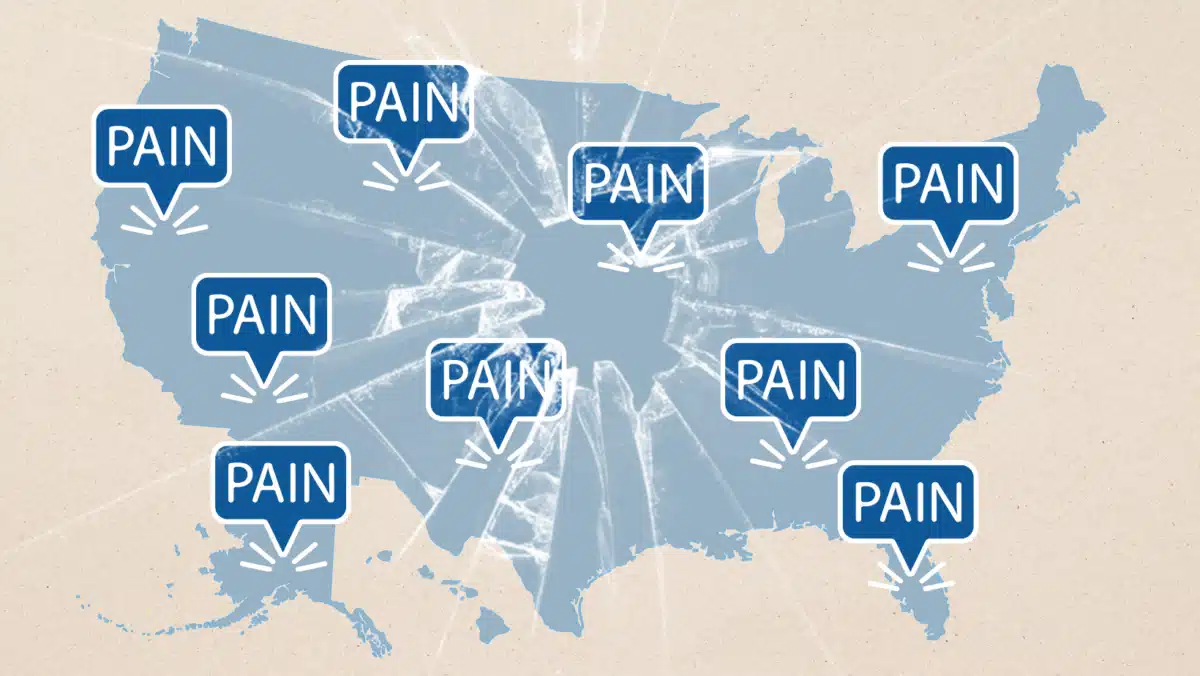
Tylenol is in almost every medicine cabinet in North America. It’s the quiet hero for headaches, sore backs, and post-gym regret. But here’s the thing: it works through mechanisms we still don’t fully understand — and in high doses, it’s one of the leading causes of acute liver failure.
Meanwhile, CBD has been quietly building a résumé backed by peer-reviewed research, anti-inflammatory potential, and a dramatically different safety profile.
So… if both are used for pain — why are more people reaching for one and rethinking the other?
In this deep dive, we unpack what the science actually says about acetaminophen, what researchers are discovering about CBD, and why the conversation around “everyday pain relief” might be overdue for a serious upgrade.
Not long ago, cannabis was something parents hid — a relic of college stories or whispered jokes at dinner parties. Today, that silence is fading. More parents are talking openly about CBD and other cannabinoids, not as rebellion, but as part of a thoughtful wellness routine.
From stress regulation to better sleep, plant-based tools are becoming part of honest conversations about modern parenting. In this essay, we explore why stigma is softening, how cannabinoids like CBD and CBG fit into family life, and why transparency — not taboo — may be the biggest cultural shift of all.
For years, CBD was the go-to cannabinoid for recovery — trusted by athletes looking to manage soreness, sleep better, and stay loose without getting high. But lately, a quieter shift has been happening in gyms, locker rooms, and training circles. Some athletes are swapping CBD for CBG — not because it’s trendier, but because it feels more functional.
In this essay, we explore why CBG is gaining traction among performance-focused athletes, how it differs from CBD, and what this subtle switch says about the future of recovery, focus, and functional cannabis.
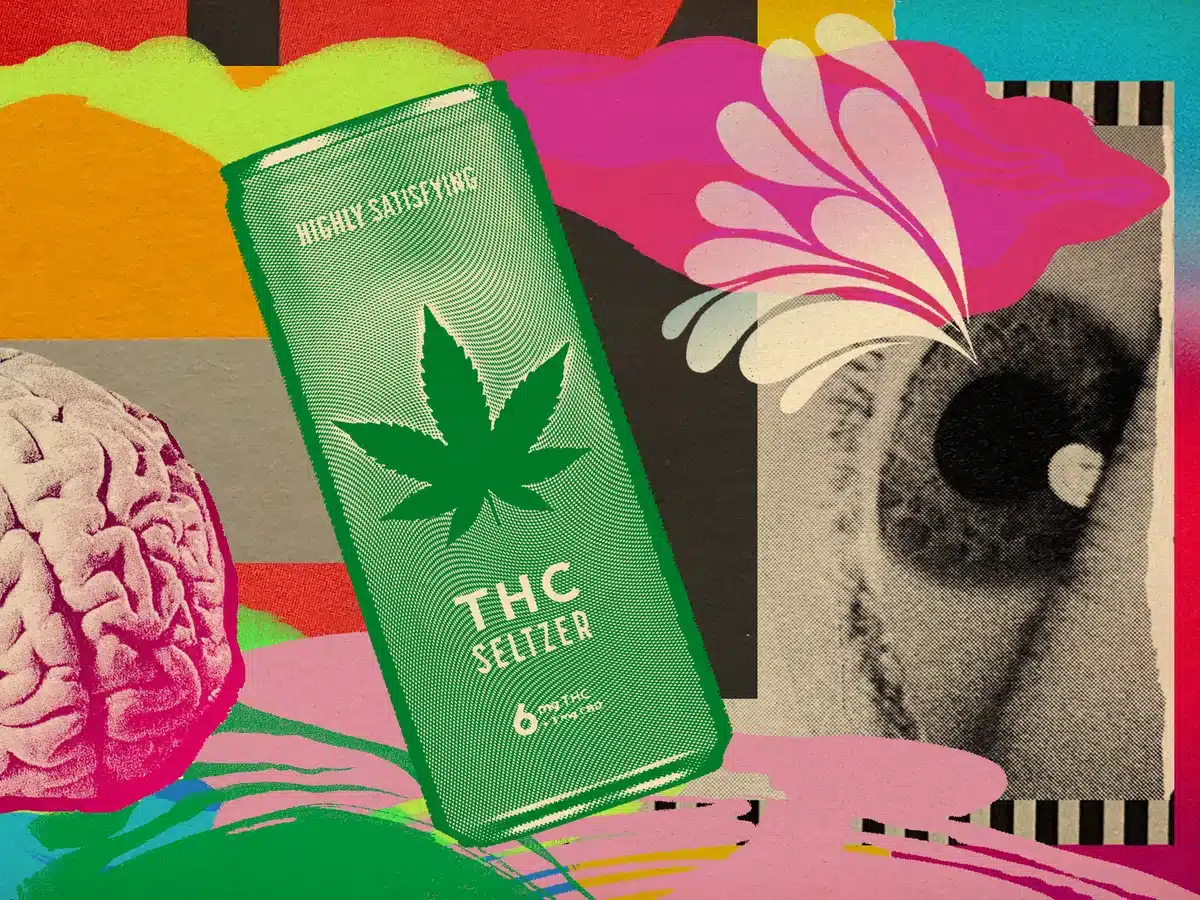
Not everyone who uses cannabis wants to get high. A growing number of people are turning to cannabinoids not for escape or euphoria, but for calm, clarity, and control. As modern life pushes stress levels higher, CBD, CBG, THCa, and low-dose THC are reshaping cannabis into something quieter and more intentional — a way to unwind without checking out. This is cannabis for people who don’t like drugs: subtle, functional, and designed to support real life, not overpower it.
Weed used to be about getting wrecked. As adulthood brought stress, burnout, and overstimulation, cannabis quietly evolved alongside its users. Today’s grown-up weed isn’t chasing the highest THC or the wildest high — it’s focused on balance, clarity, and intention. From CBD and CBG to low-dose THC and THCa, cannabis has become less of a party and more of a tool: something to help people unwind without checking out, sleep without regret, and show up the next day feeling human.