We don’t live in a tired world — we live in an overstimulated one. From the moment we wake up, our nervous systems are hit with notifications, headlines, artificial light, caffeine spikes, and an endless feed engineered to keep us alert, reactive, and scrolling. The result isn’t just stress or burnout — it’s a baseline state of low-grade fight-or-flight that never fully shuts off. Increasingly, the question isn’t why we’re anxious, unfocused, or exhausted — but whether modern life has simply forgotten how to let the body relax. As science takes a closer look at the nervous system, attention economy, and the rise of calming tools like CBD, breathwork, and plant medicine, a new idea is emerging: maybe we’re not broken — maybe we’re just profoundly under-relaxed.
Tag Archives: Health
Alcohol sales are slipping, cannabis culture is exploding, and Gen Z is quietly rewriting the rules of intoxication. As younger generations drink significantly less than Millennials and far less than Boomers, a new question is taking shape: are we watching alcohol’s first real challenger emerge in real time? From THC-infused beverages and alcohol-free bars to biosynthetic cannabinoids and AI-personalized dosing, the cannabis industry is evolving at a pace liquor can’t match. This piece dives into the social trends, the tech breakthroughs, and the cultural shift driving the possibility that within two decades, ordering a “strong one” might mean something very different than it does today.
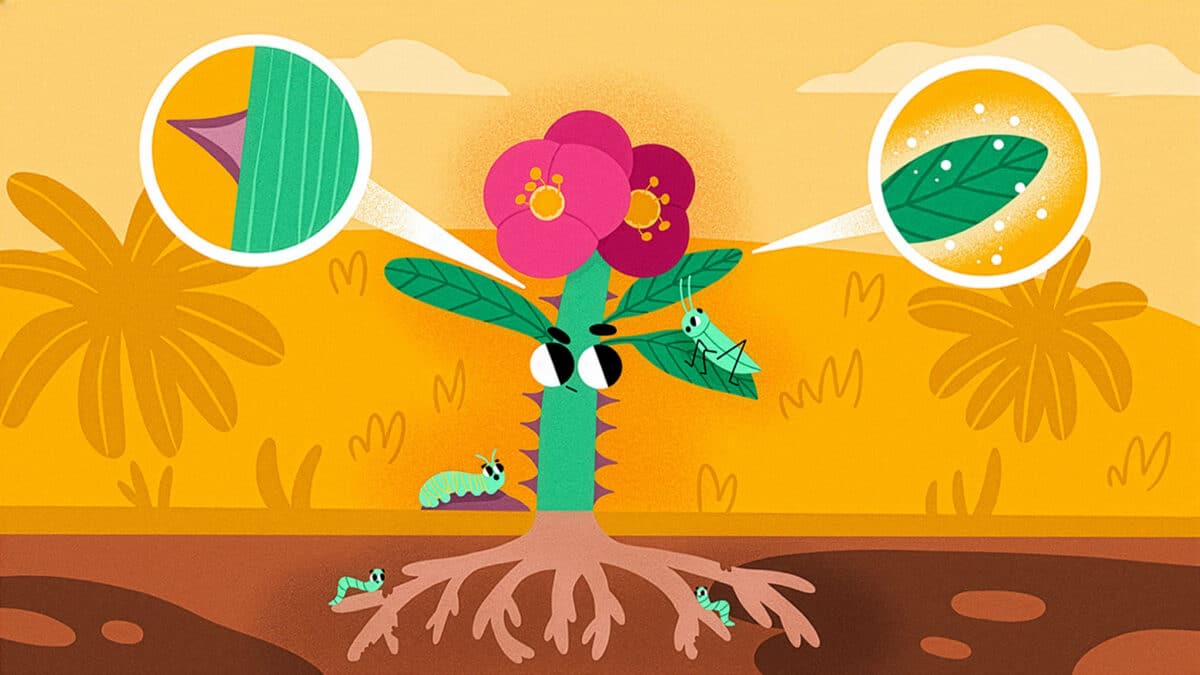
For thousands of years, humans have chased the same strange magic: plants and fungi that change the way we feel. From cannabis and coffee to cacao, kava, and even mushrooms with mind-bending chemistry, these species evolved their potent compounds long before humans ever walked the earth. Yet somehow, our brains ended up wired to love them. This article explores the wild evolutionary back-and-forth — the botanical arms race — that produced caffeine to repel insects, THC to fend off hungry herbivores, psilocybin to scramble predators, and the bitter alkaloids in cacao that were meant to warn animals away.
Ironically, the very chemicals plants invented to protect themselves are the ones humans now treasure for focus, calm, energy, and transcendence. Why did nature design these molecules… and why did we become the perfect consumers for them?
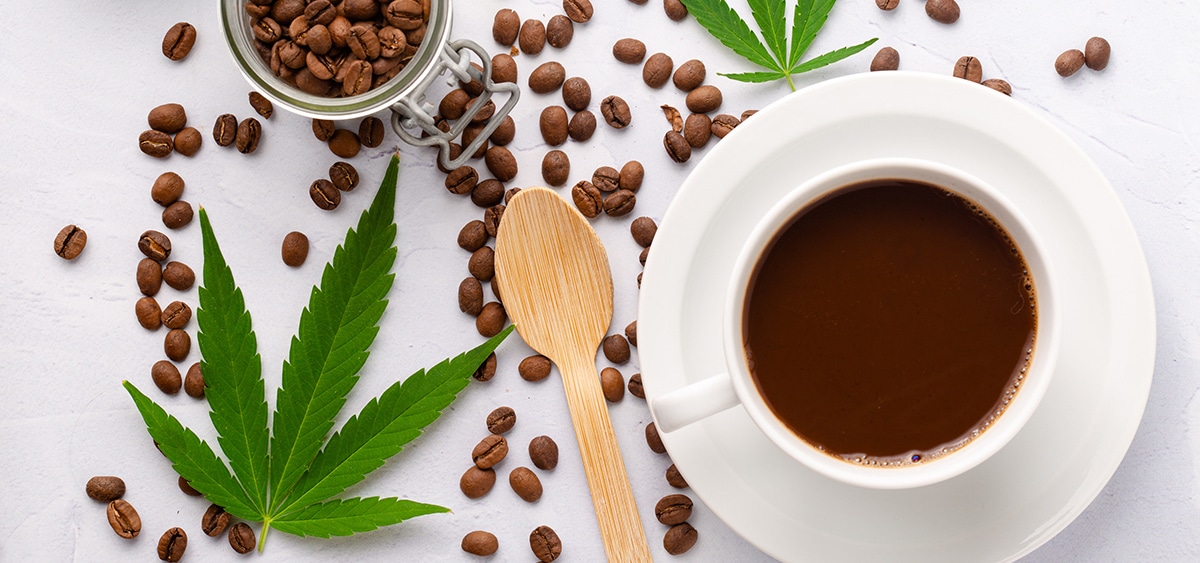
Most of us start the day chasing energy, calm, or clarity — but the tools we use to get there couldn’t be more different. Some people spark a wake-and-bake to soften the edges, others cling to coffee like a life raft, and a growing crew is swapping both for CBD’s smooth, jitter-free focus. In this guide, we break down how each morning ritual rewires your brain, boosts (or sabotages) your productivity, and shapes the tone of your entire day. Whether you’re fueling up for creativity, recovery, or pure survival, here’s the real science behind what gets you moving — and which option actually wins the morning.
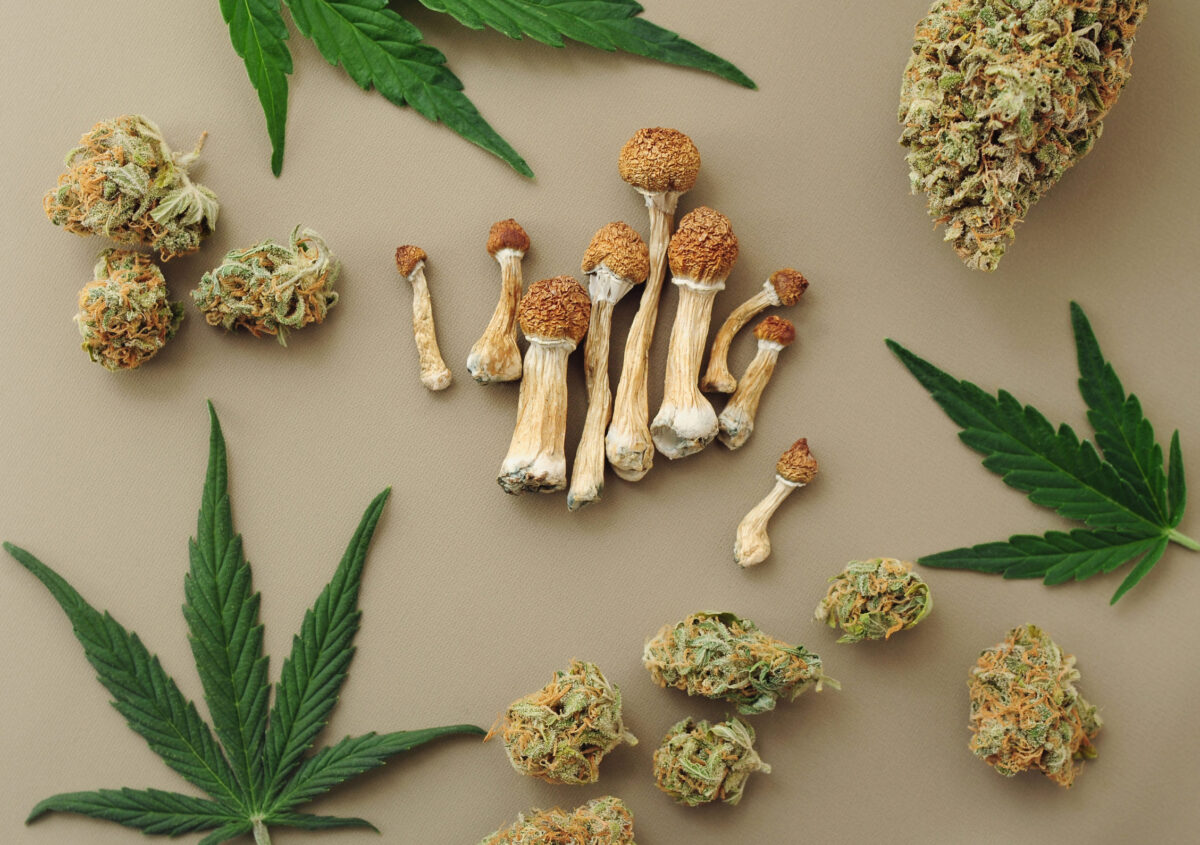
In a world running on caffeine, cortisol, and constant notifications, more people are turning to nature for real relief — and two of the biggest contenders are cannabis and mushrooms. While cannabinoids like CBD and THCa work like a biological dimmer switch that quiets stress through the endocannabinoid system, functional and psychedelic mushrooms take a different route, nudging the brain toward balance, clarity, or emotional reset. With both options backed by emerging science — from Reishi’s calming effects to psilocybin’s anxiety-reducing potential — the question is no longer whether these natural tools work, but which one delivers the kind of relaxation you’re actually looking for.
In the new era of CBD, the goal isn’t to get high — it’s to feel right. From Silicon Valley labs to regenerative hemp farms, biohackers and botanists are uniting around one mission: optimizing the human experience through nature’s chemistry. Cannabinoids like CBD, CBG, and THCa are redefining what it means to perform, recover, and find balance — no stimulants, no shortcuts, just biology in harmony.
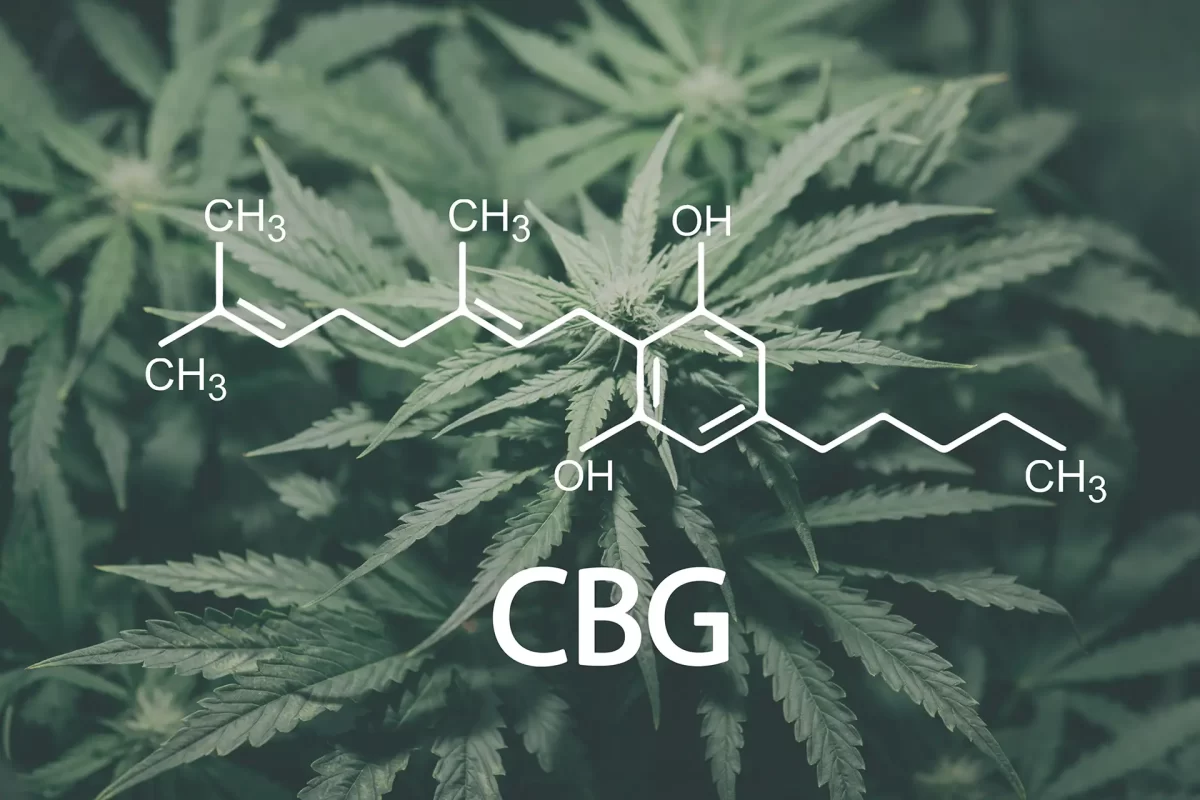
They call CBG the “mother cannabinoid” — but her influence might go deeper than science expected. Early research and real-world stories suggest this rare compound isn’t just calming nerves; it’s softening hearts. From regulating serotonin to easing emotional reactivity, CBG seems to quiet the inner noise that keeps us disconnected. The result? A calmer brain, a gentler outlook — and maybe, just maybe, a kinder world.
In a world hooked on instant fixes and over-caffeinated energy, microdosing CBD is a quiet rebellion. It’s not about getting high or zoning out — it’s about the subtleties. In this post, we dive into the science behind small doses of CBD and how they can rewire big emotions, helping your body and mind find calm without the crash. Discover why “less” might just be the most powerful dose of all.
When you give your dog a CBD treat or see your cat mellow out after a tincture, you’re tapping into something ancient — a shared system of balance that links nearly every animal on Earth. From goldfish to horses, the endocannabinoid system (ECS) runs deep through evolution, quietly helping creatures big and small find calm, heal, and adapt. Understanding how animals experience cannabinoids doesn’t just teach us about pet wellness — it reveals something profound about life itself.
CBD, CBG, and THCa might sound similar, but each one works in unique ways. This post breaks down what sets them apart, from how they interact with your body to the benefits people are turning to them for. If you’ve ever wondered which cannabinoid is right for you, this guide will help clear things up.