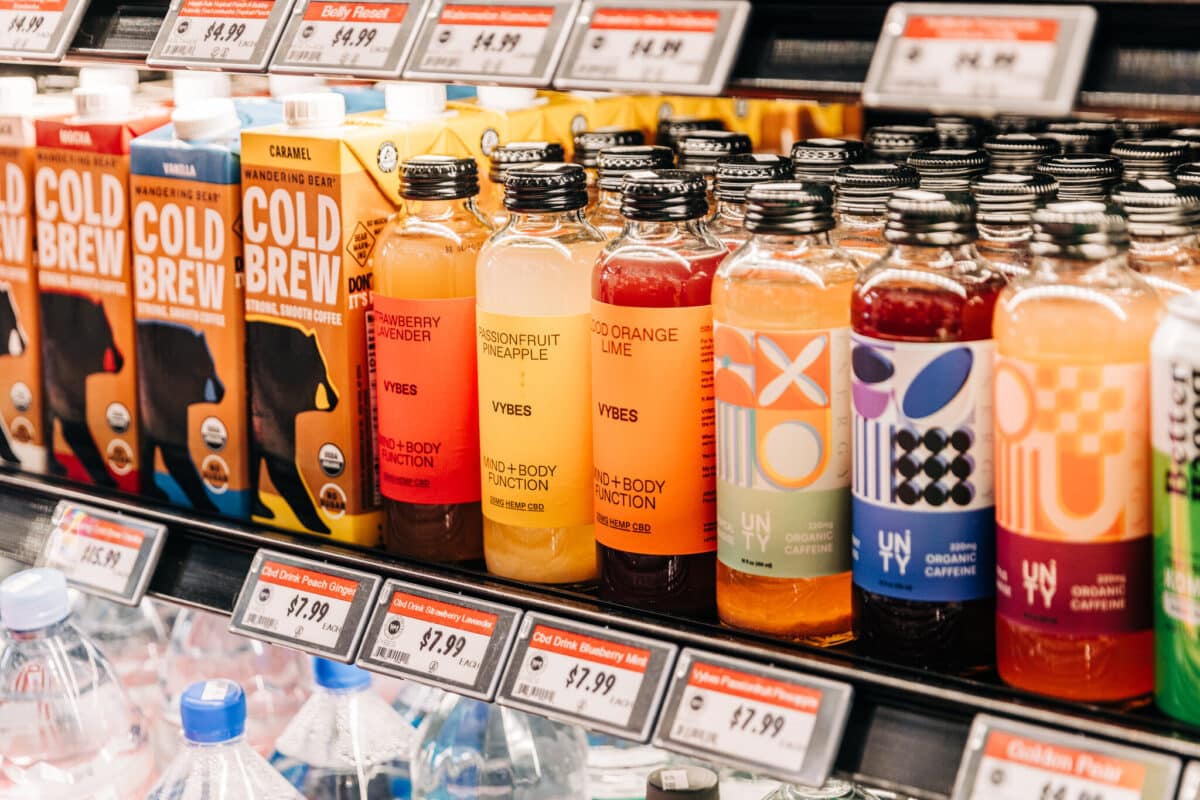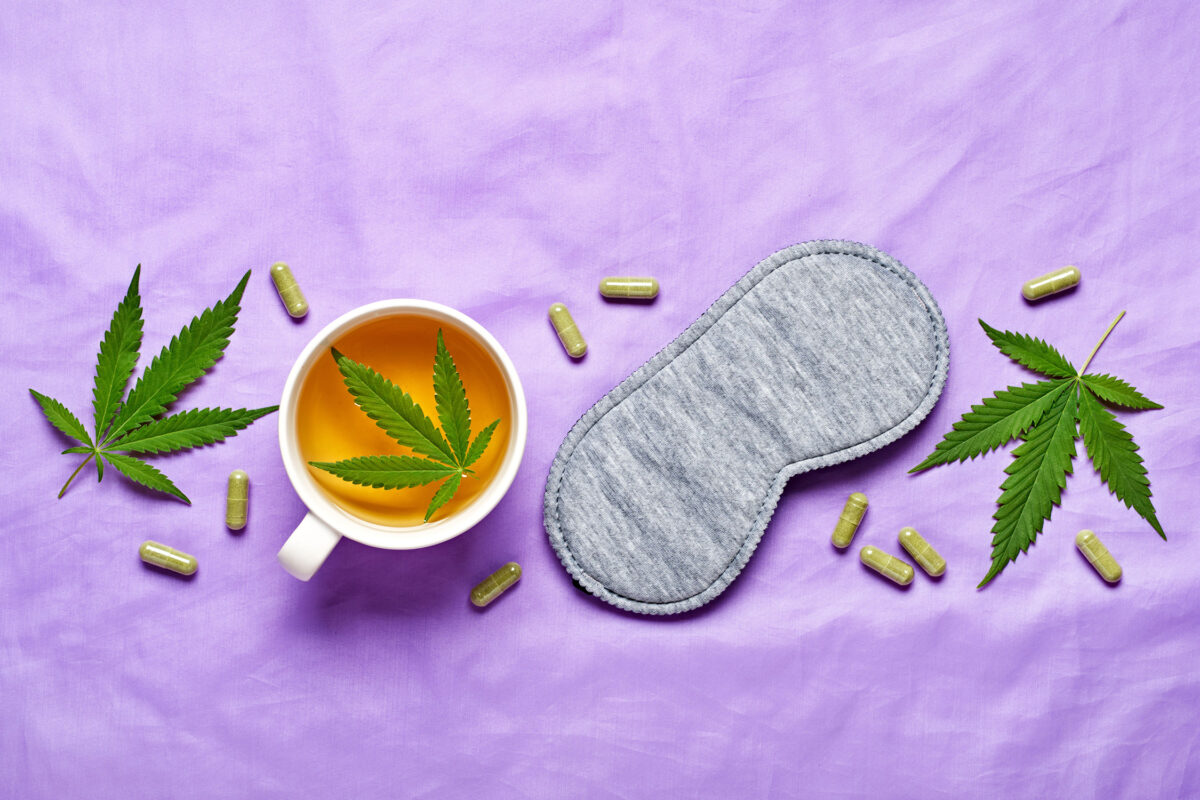
Full disclosure: this is not a clinical trial. There’s no control group, no blinding, and no lab coat involved. Just one person, five CBD formats, 30 days, and a genuine curiosity about why some products seem to do something while others feel like an expensive placebo. The answer, it turns out, depends almost entirely on what you’re using — and what you’re using it for. Three formats were worth continuing. Two weren’t. Here’s the breakdown.
Author Archives: Garrett Bing
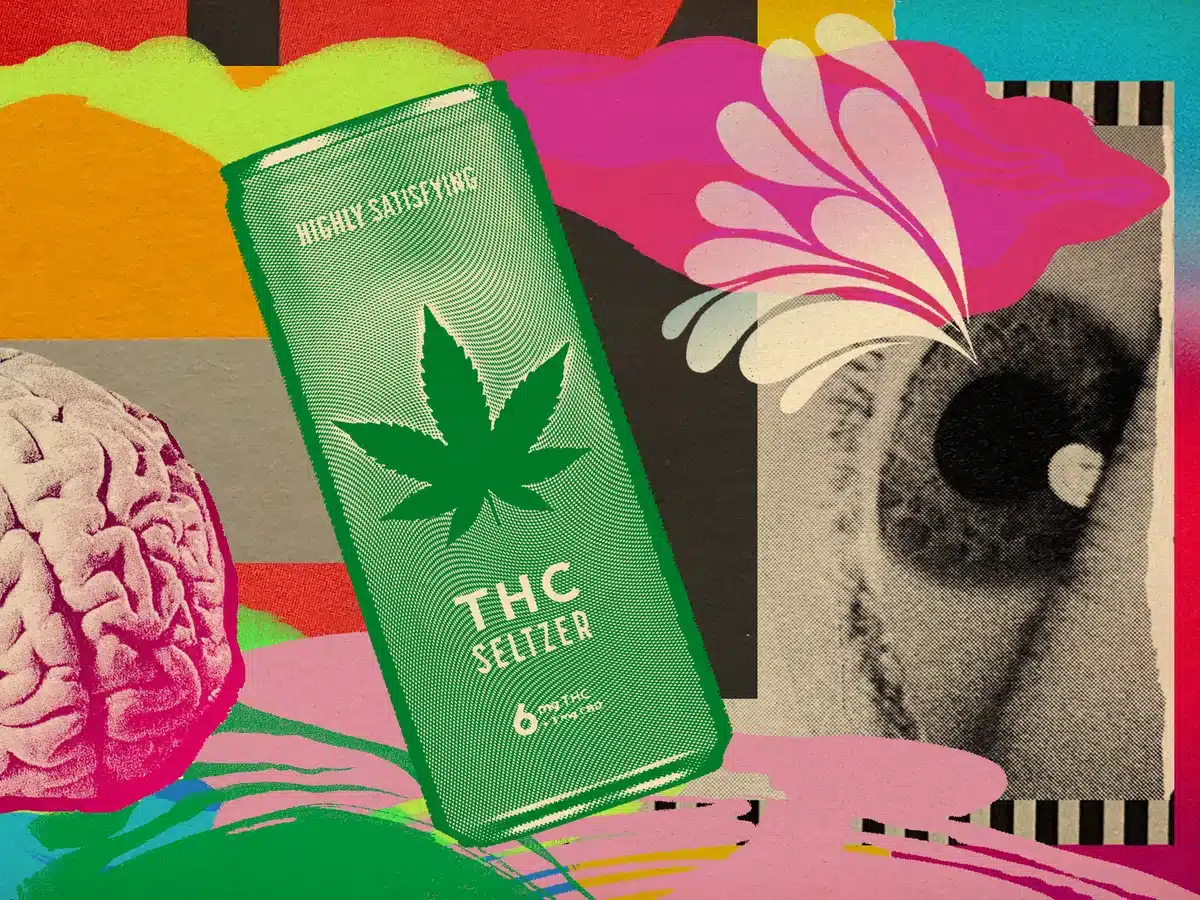
Something weird is happening at parties. The beer is getting warm, the wine is going unfinished, and someone in the corner is passing around a gummy instead of a shot glass. This isn’t a vibe shift — it’s a data-backed generational pivot. 65% of Gen Zers plan to drink less in 2025, and 56% say they’ve actively replaced alcohol with cannabis. Here’s what that’s actually doing to bars, house parties, and Saturday nights.
In 2018, at the height of the opioid epidemic, the FDA approved Dsuvia — a synthetic opioid 1,000 times stronger than morphine — over the objections of its own advisory panel chairman and sitting U.S. senators. That same agency, working alongside the DEA, had spent decades making cannabis research so difficult that scientists could barely study it. Same regulator. Same era. Very different priorities. Here’s the timeline they don’t put in the brochure.
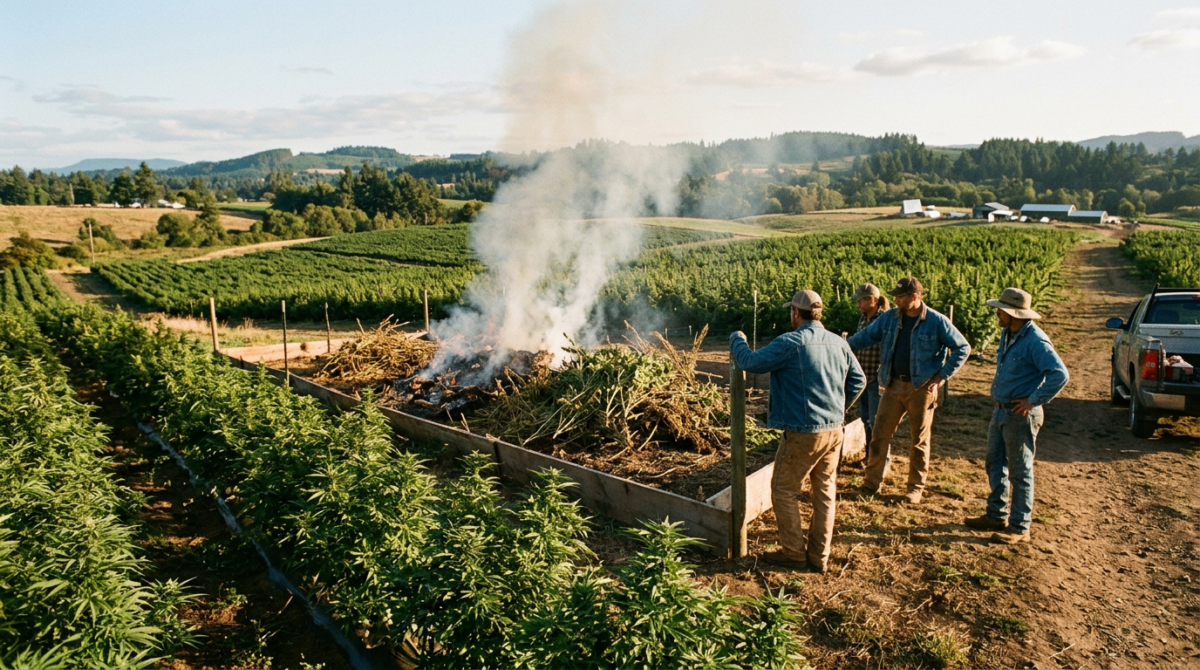
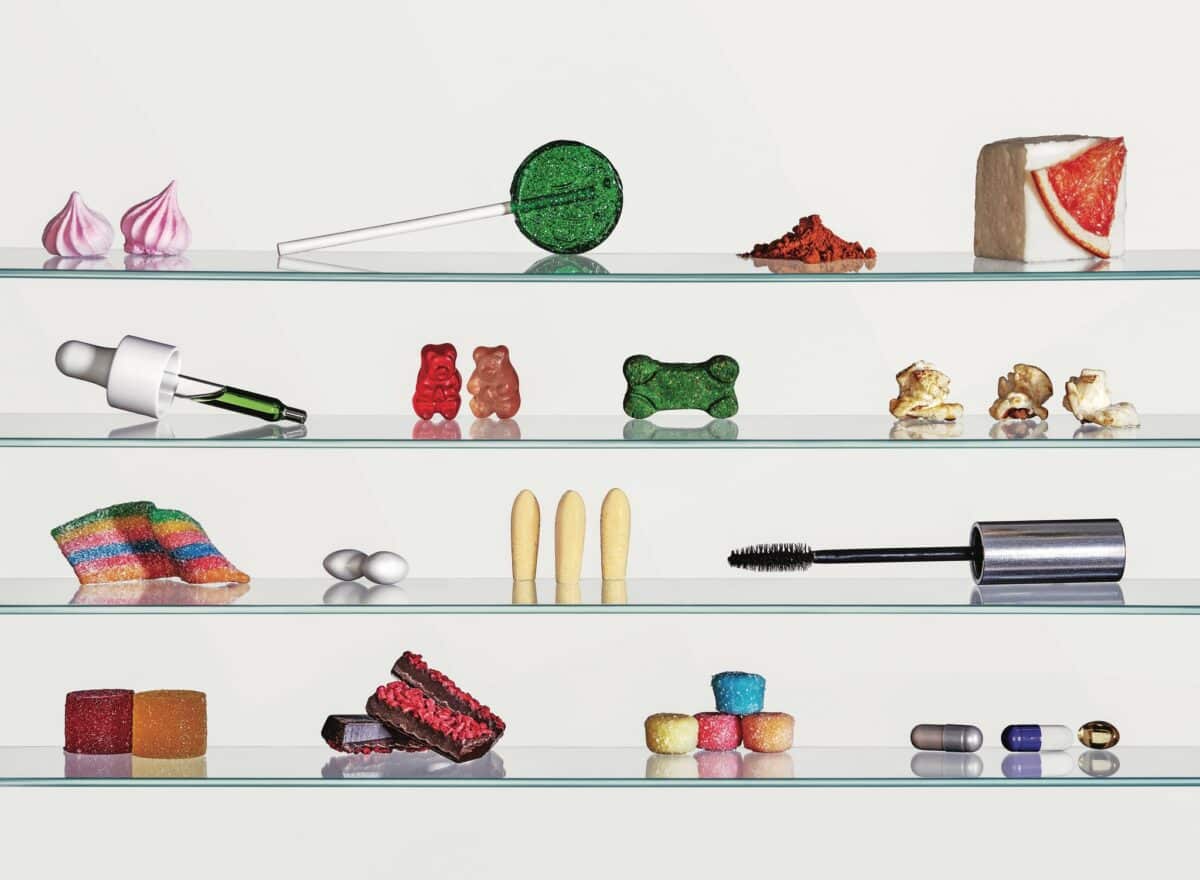
For 200 years, the pharmaceutical industry ran the same play: find a plant that heals people, rip out the one compound doing the work, patent it, and sell it back at scale. Aspirin from willow bark. Morphine from the poppy. Quinine from cinchona. It wasn’t a conspiracy — it was just business. But here’s what that model quietly left behind: everything else in the plant. And with cannabis, the science is starting to suggest that “everything else” might be exactly the point.