Tag Archives: Health

Cannabis for People Who Don’t Like Drugs

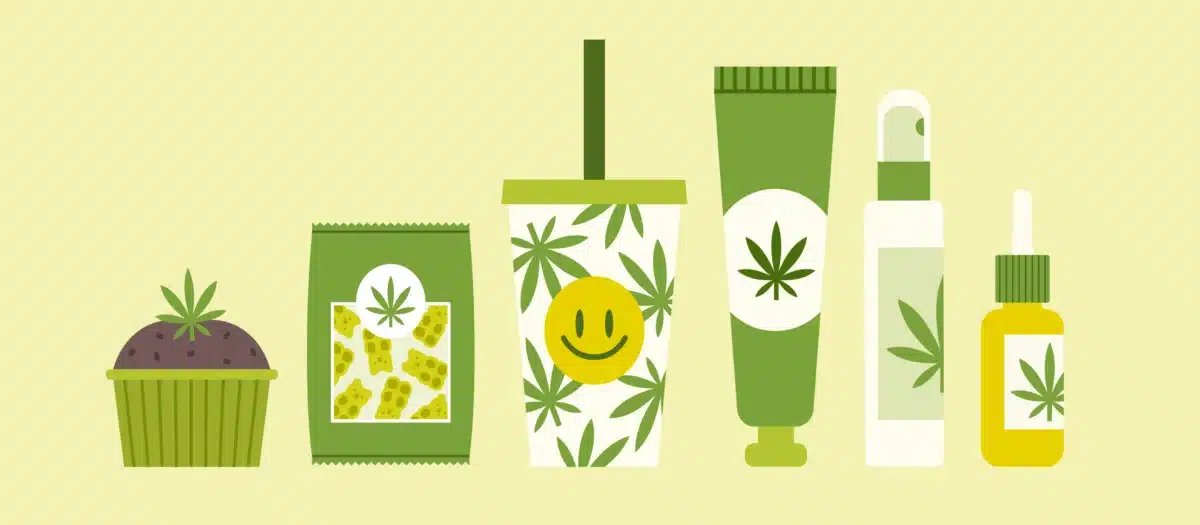
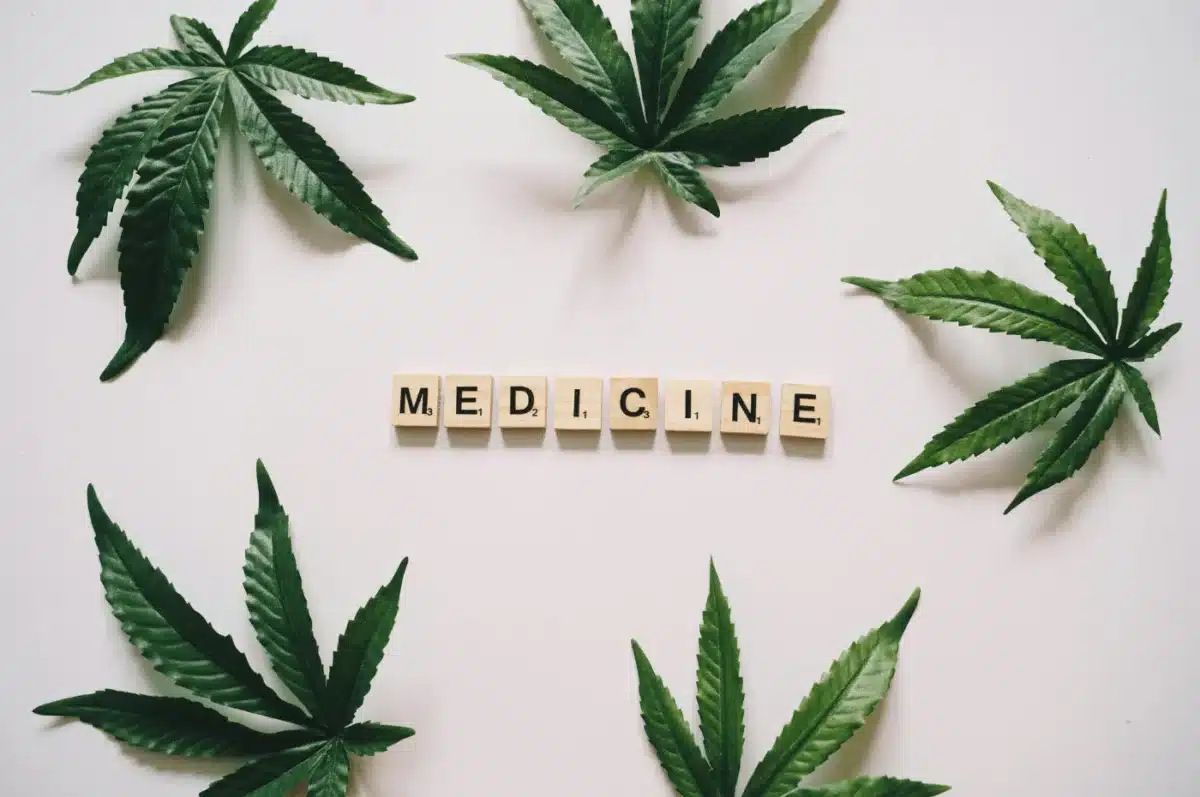
Infographic showing cannabis leaves and medical marijuana icons representing therapeutic cannabis use and functional benefits without psychoactive intensity.

Not everyone who uses cannabis wants to get high. A growing number of people are turning to cannabinoids not for escape or euphoria, but for calm, clarity, and control. As modern life pushes stress levels higher, CBD, CBG, THCa, and low-dose THC are reshaping cannabis into something quieter and more intentional — a way to unwind without checking out. This is cannabis for people who don’t like drugs: subtle, functional, and designed to support real life, not overpower it.

Why Weed Feels Different After 30

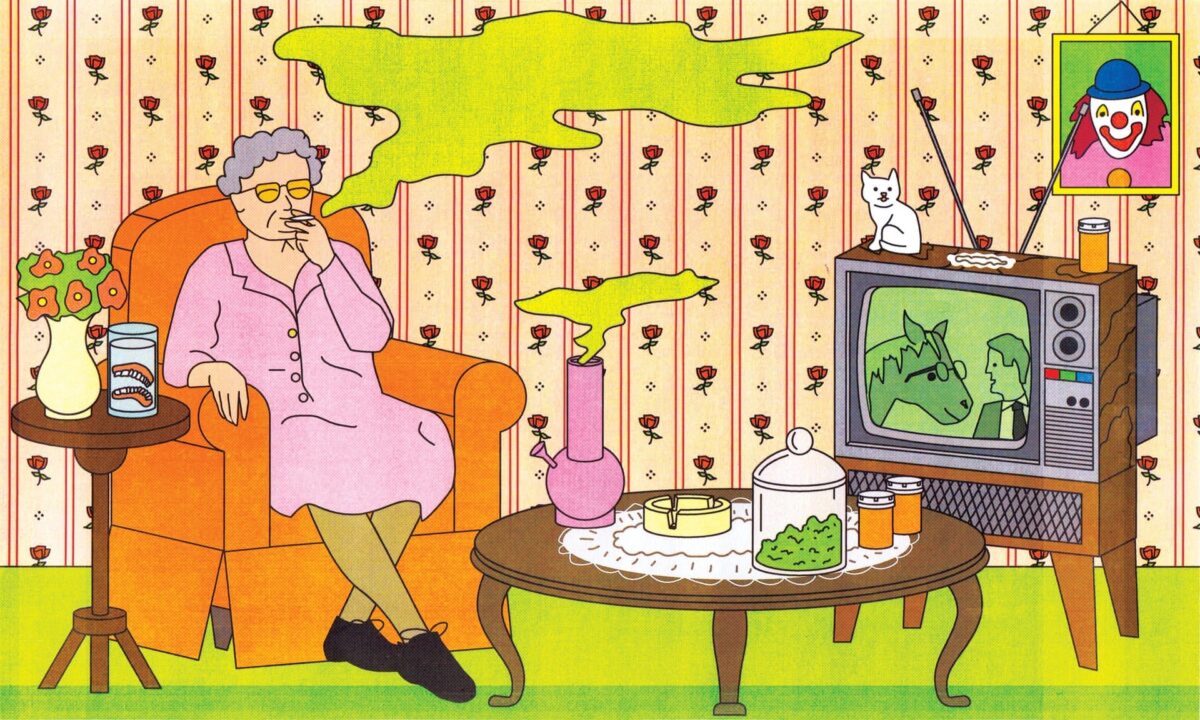
Retro illustration of a relaxed adult smoking cannabis indoors, representing adult cannabis use and modern relaxation culture.

Weed doesn’t hit different after 30 because cannabis changed — it’s because you did. The carefree highs of your twenties collide with adult stress, sharper self-awareness, and a nervous system that no longer shrugs things off. What once felt euphoric can now feel overwhelming, introspective, or oddly clinical. In response, a quieter cannabis culture has emerged — one focused on CBD, CBG, THCa, and low-dose THC — where the goal isn’t getting high, but getting balanced. This is weed grown up: less chaos, more intention, and a lot fewer regrets the next morning.

Weed for Grown-Ups

Weed used to be about getting wrecked. As adulthood brought stress, burnout, and overstimulation, cannabis quietly evolved alongside its users. Today’s grown-up weed isn’t chasing the highest THC or the wildest high — it’s focused on balance, clarity, and intention. From CBD and CBG to low-dose THC and THCa, cannabis has become less of a party and more of a tool: something to help people unwind without checking out, sleep without regret, and show up the next day feeling human.

The Anti-Alcohol Generation: Why CBD, THCa, and Cannabis Are Replacing the Drink

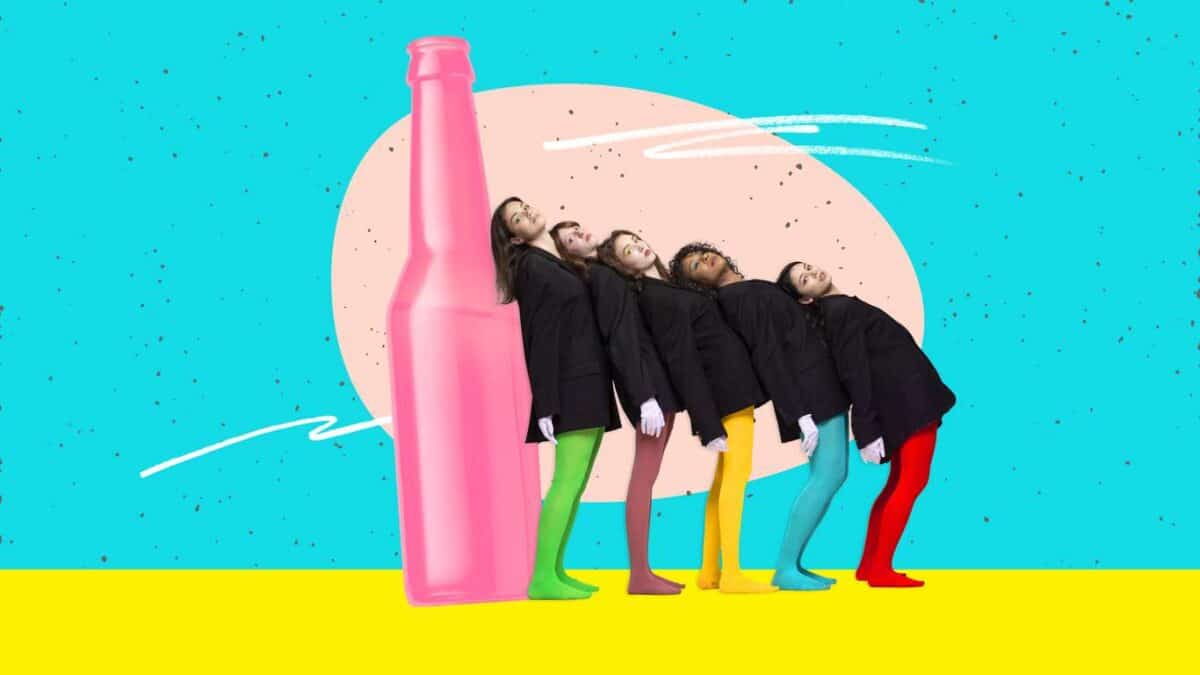
Stylized illustration of young adults with a bottle representing Gen Z drinking culture and changing alcohol habits.

Alcohol isn’t disappearing — it’s just losing its grip. Younger generations are drinking less, not because they’re sober, but because they’re selective about how they alter their state. Hangovers, anxiety, and loss of control no longer feel like a fair trade for a night out. In alcohol’s place, CBD, THCa, low-dose THC, and even occasional mushroom use are offering something softer: relaxation without regret, clarity without chaos, and mornings that don’t feel borrowed from tomorrow. This piece explores why the Anti-Alcohol Generation isn’t rejecting intoxication — they’re upgrading it.

Why Am I Always Tired? Why Rest No Longer Feels Restorative

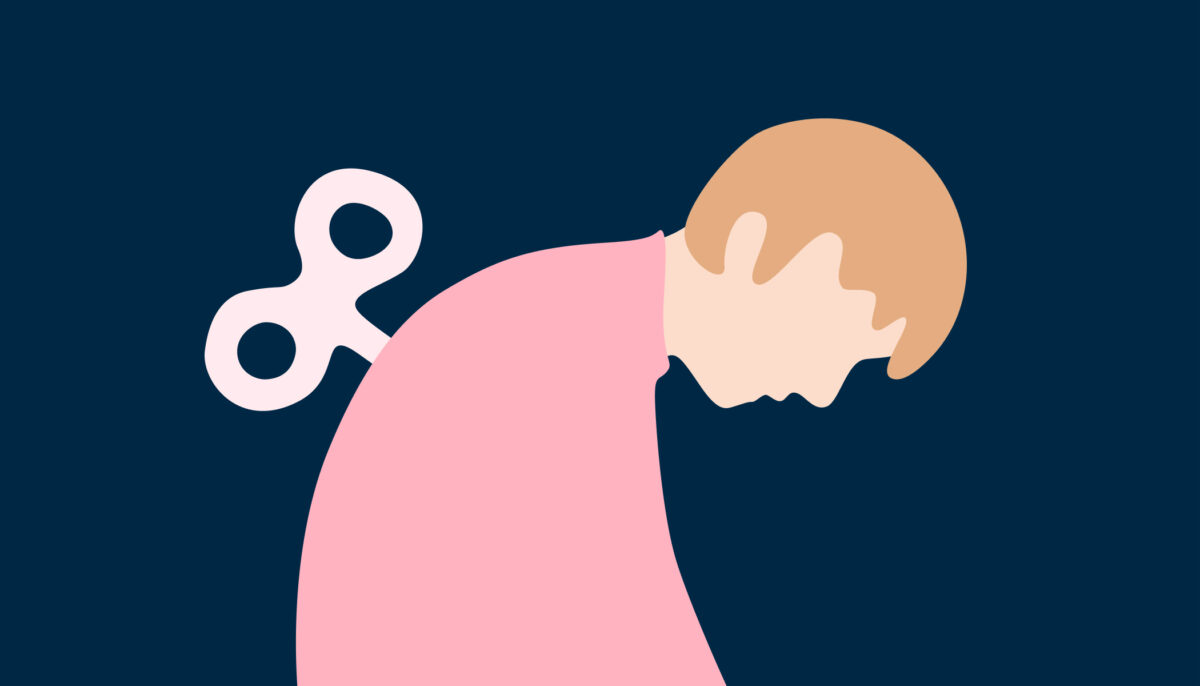
Illustration of a fatigued person hunched over with wind-up key, symbolizing chronic tiredness and exhaustion in a modern overstimulated life.

Weekends were supposed to fix us. Two days to reset, recharge, and return to Monday feeling human again. But somewhere along the way, rest stopped working. Time off became overbooked, overstimulating, and strangely exhausting — leaving many people just as drained on Monday morning as they were on Friday night. This piece explores how modern life broke our relationship with rest, why doing nothing now feels uncomfortable, and what it might take to actually recover in a world that never fully shuts off.

The Death of Boredom — And Why Our Brains Are Freaking Out

illustration of a bored person with multiple faded silhouettes, representing mental overload and the neuroscience of boredom

Boredom used to be a feature of human life — long pauses, empty afternoons, quiet moments where the mind wandered and stitched meaning together. Now it barely exists. Every spare second is filled with screens, notifications, playlists, feeds, and dopamine on demand. But instead of feeling entertained, we feel restless, anxious, and fried. As boredom disappears, something stranger is happening inside our brains: attention is fragmenting, creativity is stalling, and our nervous systems are stuck in a low-grade state of alert. This is the story of how killing boredom may have accidentally broken our ability to relax — and why our brains are freaking out about it.

Are We Overstimulated — or Just Under-Relaxed?

Illustration of a person carrying emotional weight — stress symbols and confusion representing mental overload and under-relaxation.

We don’t live in a tired world — we live in an overstimulated one. From the moment we wake up, our nervous systems are hit with notifications, headlines, artificial light, caffeine spikes, and an endless feed engineered to keep us alert, reactive, and scrolling. The result isn’t just stress or burnout — it’s a baseline state of low-grade fight-or-flight that never fully shuts off. Increasingly, the question isn’t why we’re anxious, unfocused, or exhausted — but whether modern life has simply forgotten how to let the body relax. As science takes a closer look at the nervous system, attention economy, and the rise of calming tools like CBD, breathwork, and plant medicine, a new idea is emerging: maybe we’re not broken — maybe we’re just profoundly under-relaxed.

Will Cannabis Replace Alcohol in 20 Years? A Realistic Look at the Data, Trends & Tech

Glass of cannabis drink beside a beer bottle on a wooden table — comparing weed and alcohol consumption

Alcohol sales are slipping, cannabis culture is exploding, and Gen Z is quietly rewriting the rules of intoxication. As younger generations drink significantly less than Millennials and far less than Boomers, a new question is taking shape: are we watching alcohol’s first real challenger emerge in real time? From THC-infused beverages and alcohol-free bars to biosynthetic cannabinoids and AI-personalized dosing, the cannabis industry is evolving at a pace liquor can’t match. This piece dives into the social trends, the tech breakthroughs, and the cultural shift driving the possibility that within two decades, ordering a “strong one” might mean something very different than it does today.

The Botanist’s Arms Race: Why Plants Keep Evolving Chemicals Humans Love

Diagram showing diverse plants—hemp (cannabis), coffee, cacao, mushrooms—highlighting natural chemical defense and psychoactive compound diversity

For thousands of years, humans have chased the same strange magic: plants and fungi that change the way we feel. From cannabis and coffee to cacao, kava, and even mushrooms with mind-bending chemistry, these species evolved their potent compounds long before humans ever walked the earth. Yet somehow, our brains ended up wired to love them. This article explores the wild evolutionary back-and-forth — the botanical arms race — that produced caffeine to repel insects, THC to fend off hungry herbivores, psilocybin to scramble predators, and the bitter alkaloids in cacao that were meant to warn animals away.

Ironically, the very chemicals plants invented to protect themselves are the ones humans now treasure for focus, calm, energy, and transcendence. Why did nature design these molecules… and why did we become the perfect consumers for them?

Weed vs. Coffee vs. CBD: Who Really Wins the Morning?

Cannabis social consumption cafe interior with patrons in California assembly-licensed lounge

Most of us start the day chasing energy, calm, or clarity — but the tools we use to get there couldn’t be more different. Some people spark a wake-and-bake to soften the edges, others cling to coffee like a life raft, and a growing crew is swapping both for CBD’s smooth, jitter-free focus. In this guide, we break down how each morning ritual rewires your brain, boosts (or sabotages) your productivity, and shapes the tone of your entire day. Whether you’re fueling up for creativity, recovery, or pure survival, here’s the real science behind what gets you moving — and which option actually wins the morning.