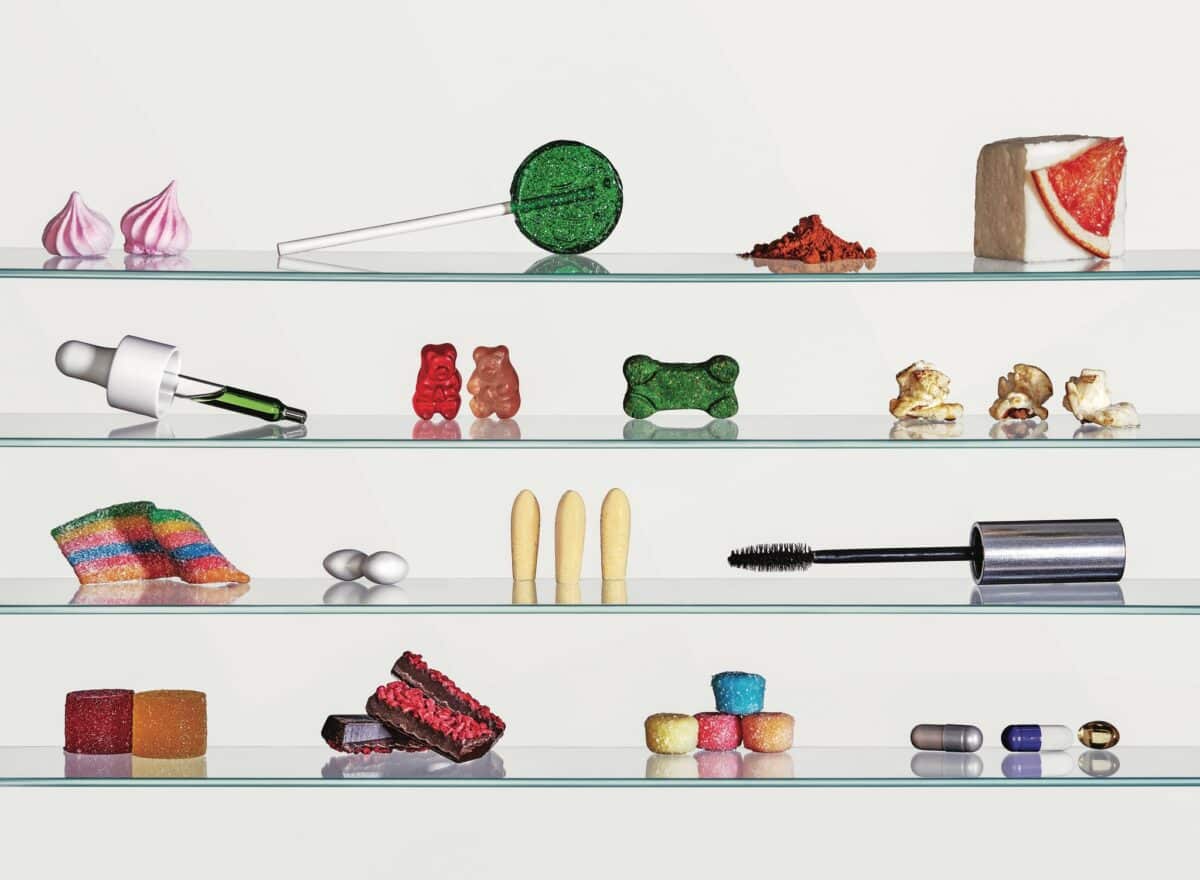
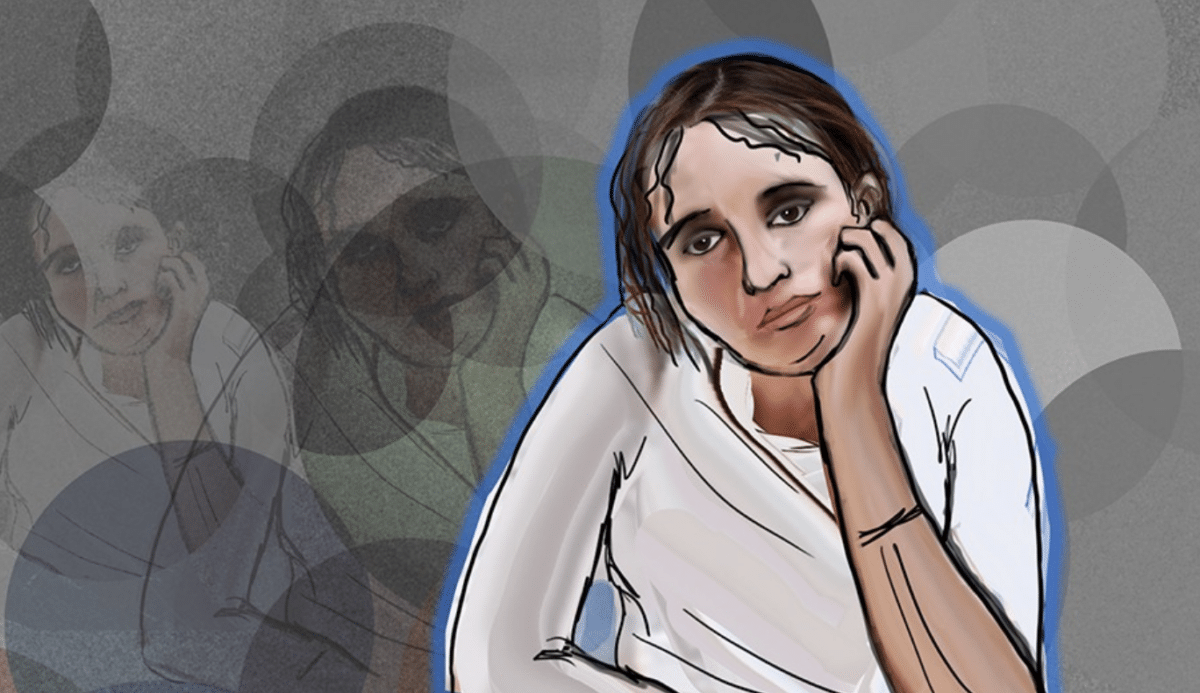
For 200 years, the pharmaceutical industry ran the same play: find a plant that heals people, rip out the one compound doing the work, patent it, and sell it back at scale. Aspirin from willow bark. Morphine from the poppy. Quinine from cinchona. It wasn’t a conspiracy — it was just business. But here’s what that model quietly left behind: everything else in the plant. And with cannabis, the science is starting to suggest that “everything else” might be exactly the point.
Category Archives: CBD
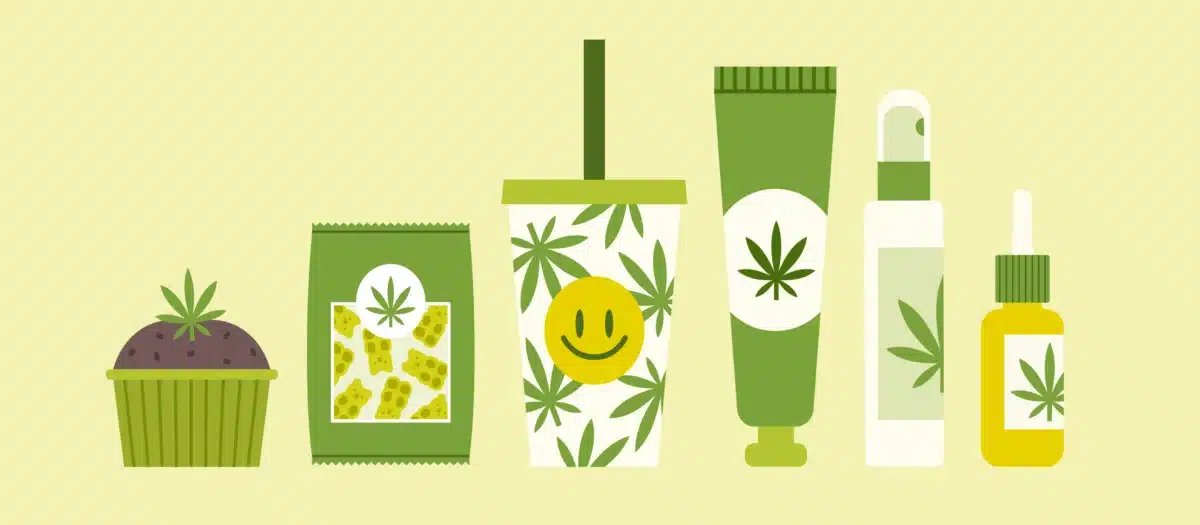
Cannabis packaging used to hide in plain sight. Today, it’s designed to stand out.
From crinkled plastic baggies to soft-touch glass jars and collectible Cali packs, the container has become part of the experience. It protects the product, tells a story, satisfies regulators — and sometimes even earns a spot on your coffee table.
In this visual journey through time, we explore how cannabis packaging evolved from underground anonymity to shelf-ready sophistication — and why design now plays such a powerful role in how we experience the plant.
Tylenol is in almost every medicine cabinet in North America. It’s the quiet hero for headaches, sore backs, and post-gym regret. But here’s the thing: it works through mechanisms we still don’t fully understand — and in high doses, it’s one of the leading causes of acute liver failure.
Meanwhile, CBD has been quietly building a résumé backed by peer-reviewed research, anti-inflammatory potential, and a dramatically different safety profile.
So… if both are used for pain — why are more people reaching for one and rethinking the other?
In this deep dive, we unpack what the science actually says about acetaminophen, what researchers are discovering about CBD, and why the conversation around “everyday pain relief” might be overdue for a serious upgrade.
Not long ago, cannabis was something parents hid — a relic of college stories or whispered jokes at dinner parties. Today, that silence is fading. More parents are talking openly about CBD and other cannabinoids, not as rebellion, but as part of a thoughtful wellness routine.
From stress regulation to better sleep, plant-based tools are becoming part of honest conversations about modern parenting. In this essay, we explore why stigma is softening, how cannabinoids like CBD and CBG fit into family life, and why transparency — not taboo — may be the biggest cultural shift of all.
For years, CBD was the go-to cannabinoid for recovery — trusted by athletes looking to manage soreness, sleep better, and stay loose without getting high. But lately, a quieter shift has been happening in gyms, locker rooms, and training circles. Some athletes are swapping CBD for CBG — not because it’s trendier, but because it feels more functional.
In this essay, we explore why CBG is gaining traction among performance-focused athletes, how it differs from CBD, and what this subtle switch says about the future of recovery, focus, and functional cannabis.
Not everyone who uses cannabis wants to get high. A growing number of people are turning to cannabinoids not for escape or euphoria, but for calm, clarity, and control. As modern life pushes stress levels higher, CBD, CBG, THCa, and low-dose THC are reshaping cannabis into something quieter and more intentional — a way to unwind without checking out. This is cannabis for people who don’t like drugs: subtle, functional, and designed to support real life, not overpower it.
Weed used to be about getting wrecked. As adulthood brought stress, burnout, and overstimulation, cannabis quietly evolved alongside its users. Today’s grown-up weed isn’t chasing the highest THC or the wildest high — it’s focused on balance, clarity, and intention. From CBD and CBG to low-dose THC and THCa, cannabis has become less of a party and more of a tool: something to help people unwind without checking out, sleep without regret, and show up the next day feeling human.
Alcohol isn’t disappearing — it’s just losing its grip. Younger generations are drinking less, not because they’re sober, but because they’re selective about how they alter their state. Hangovers, anxiety, and loss of control no longer feel like a fair trade for a night out. In alcohol’s place, CBD, THCa, low-dose THC, and even occasional mushroom use are offering something softer: relaxation without regret, clarity without chaos, and mornings that don’t feel borrowed from tomorrow. This piece explores why the Anti-Alcohol Generation isn’t rejecting intoxication — they’re upgrading it.
Weekends were supposed to fix us. Two days to reset, recharge, and return to Monday feeling human again. But somewhere along the way, rest stopped working. Time off became overbooked, overstimulating, and strangely exhausting — leaving many people just as drained on Monday morning as they were on Friday night. This piece explores how modern life broke our relationship with rest, why doing nothing now feels uncomfortable, and what it might take to actually recover in a world that never fully shuts off.
Boredom used to be a feature of human life — long pauses, empty afternoons, quiet moments where the mind wandered and stitched meaning together. Now it barely exists. Every spare second is filled with screens, notifications, playlists, feeds, and dopamine on demand. But instead of feeling entertained, we feel restless, anxious, and fried. As boredom disappears, something stranger is happening inside our brains: attention is fragmenting, creativity is stalling, and our nervous systems are stuck in a low-grade state of alert. This is the story of how killing boredom may have accidentally broken our ability to relax — and why our brains are freaking out about it.