Category Archives: CBG

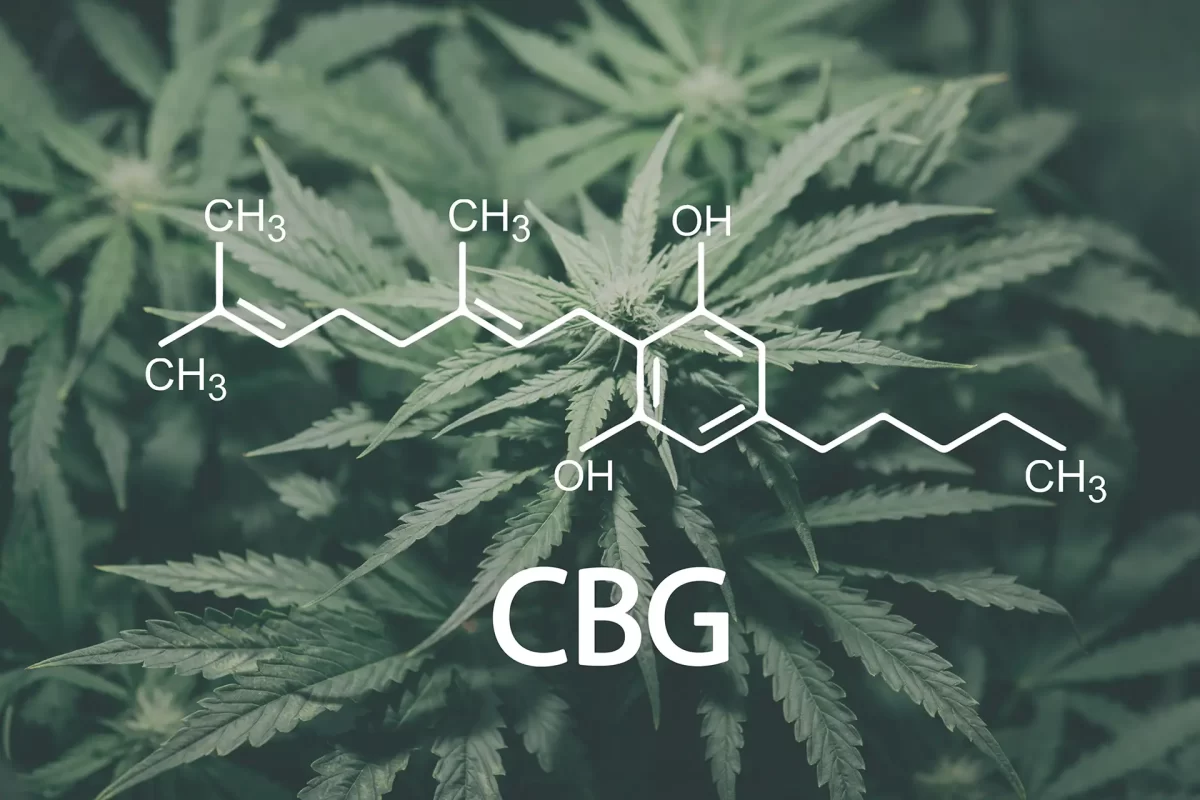
CBG, also known as Cannabigerol, may affect certain chemicals in the body to lower cholesterol, protect the brain and nerves, and reduce swelling. There is interest in using cannabigerol for abnormal levels of cholesterol or blood fats, Huntington disease, inflammatory bowel disease (IBD), and to stimulate appetite.

CBG is the best thing since Sliced Bread that gets high on CBG

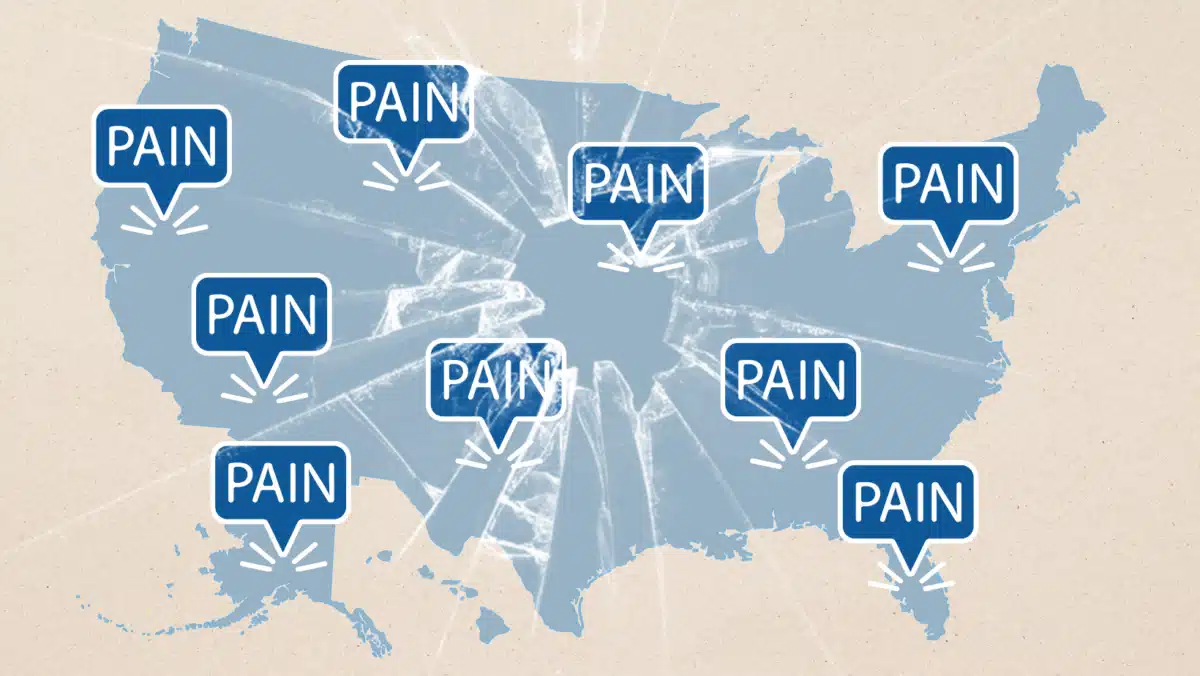
The American Pain Problem

Map of the United States covered with pain markers, illustrating the widespread impact of chronic pain across America.

Cannabis spent 88 years as a Schedule I substance — officially more dangerous than cocaine, according to the federal government. Meanwhile, the thing sitting in your medicine cabinet right now kills 500 Americans a year. The processed meat in your fridge is classified in the same carcinogen category as tobacco. And loneliness, per the U.S. Surgeon General, carries the same mortality risk as smoking 15 cigarettes a day. Here are six completely legal things that, by the numbers, would like a word.
CBD and Menopause: The Conversation Medicine Has Been Too Slow to Have

Woman with hair in a bun holding a large green cannabis leaf in front of her face against a white background, representing women's wellness and cannabidiol use for menopause symptom relief

About 1.3 million women enter menopause every year in the United States. Most of them will navigate hot flashes, broken sleep, joint pain, anxiety, and brain fog — often with limited support from a medical system that has historically underfunded women’s health research. A growing number are quietly turning to CBD and CBG. The science is starting to back them up. Here’s what the research actually says, symptom by symptom.

Why Parents Are Talking Openly About Cannabis

Parents and teenager having an open conversation about cannabis, focusing on CBD and wellness

Not long ago, cannabis was something parents hid — a relic of college stories or whispered jokes at dinner parties. Today, that silence is fading. More parents are talking openly about CBD and other cannabinoids, not as rebellion, but as part of a thoughtful wellness routine.

From stress regulation to better sleep, plant-based tools are becoming part of honest conversations about modern parenting. In this essay, we explore why stigma is softening, how cannabinoids like CBD and CBG fit into family life, and why transparency — not taboo — may be the biggest cultural shift of all.

Why Athletes Are Quietly Switching from CBD to CBG

Athlete stretching with cannabinoids for recovery, symbolizing CBD and CBG for performance and wellness

For years, CBD was the go-to cannabinoid for recovery — trusted by athletes looking to manage soreness, sleep better, and stay loose without getting high. But lately, a quieter shift has been happening in gyms, locker rooms, and training circles. Some athletes are swapping CBD for CBG — not because it’s trendier, but because it feels more functional.

In this essay, we explore why CBG is gaining traction among performance-focused athletes, how it differs from CBD, and what this subtle switch says about the future of recovery, focus, and functional cannabis.

Cannabis for People Who Don’t Like Drugs

Infographic showing cannabis leaves and medical marijuana icons representing therapeutic cannabis use and functional benefits without psychoactive intensity.

Not everyone who uses cannabis wants to get high. A growing number of people are turning to cannabinoids not for escape or euphoria, but for calm, clarity, and control. As modern life pushes stress levels higher, CBD, CBG, THCa, and low-dose THC are reshaping cannabis into something quieter and more intentional — a way to unwind without checking out. This is cannabis for people who don’t like drugs: subtle, functional, and designed to support real life, not overpower it.

Are We Overstimulated — or Just Under-Relaxed?

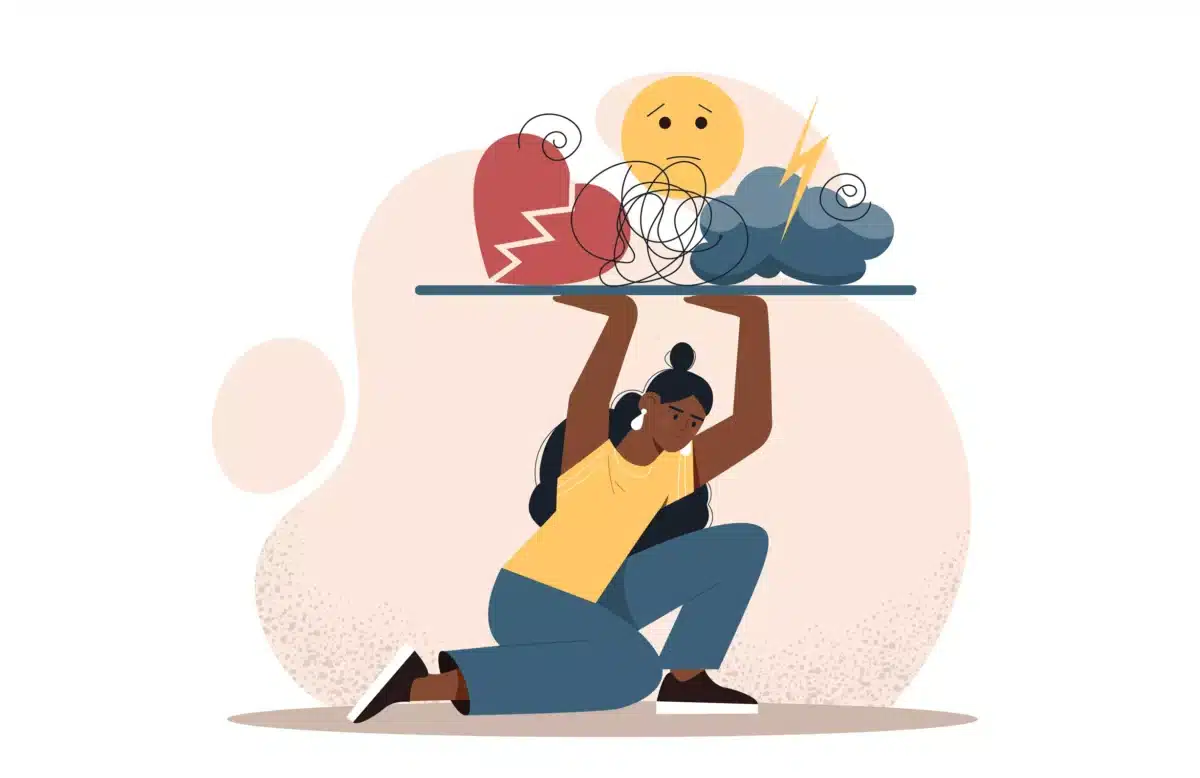
Illustration of a person carrying emotional weight — stress symbols and confusion representing mental overload and under-relaxation.

We don’t live in a tired world — we live in an overstimulated one. From the moment we wake up, our nervous systems are hit with notifications, headlines, artificial light, caffeine spikes, and an endless feed engineered to keep us alert, reactive, and scrolling. The result isn’t just stress or burnout — it’s a baseline state of low-grade fight-or-flight that never fully shuts off. Increasingly, the question isn’t why we’re anxious, unfocused, or exhausted — but whether modern life has simply forgotten how to let the body relax. As science takes a closer look at the nervous system, attention economy, and the rise of calming tools like CBD, breathwork, and plant medicine, a new idea is emerging: maybe we’re not broken — maybe we’re just profoundly under-relaxed.

Mushrooms vs Cannabis: Which One Helps You Relax Better?

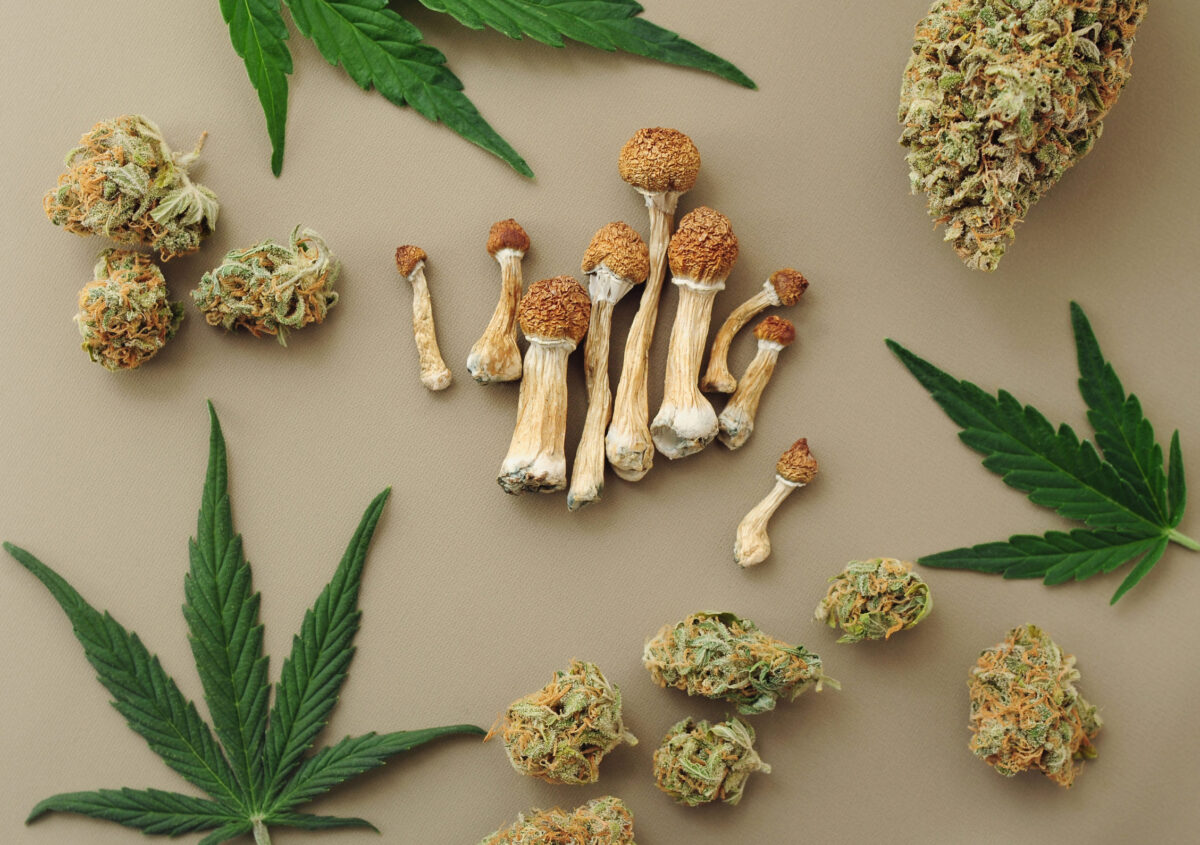
Mixed mushrooms and cannabis buds on a dark surface, representing plant-medicine synergy.

In a world running on caffeine, cortisol, and constant notifications, more people are turning to nature for real relief — and two of the biggest contenders are cannabis and mushrooms. While cannabinoids like CBD and THCa work like a biological dimmer switch that quiets stress through the endocannabinoid system, functional and psychedelic mushrooms take a different route, nudging the brain toward balance, clarity, or emotional reset. With both options backed by emerging science — from Reishi’s calming effects to psilocybin’s anxiety-reducing potential — the question is no longer whether these natural tools work, but which one delivers the kind of relaxation you’re actually looking for.

Biohackers, Botanists, and the Future of Feeling Good

The Future of CBD infographic banner — green background with bold white header panel reading ‘THE FUTURE OF CBD’, illustrating hemp-industry growth and cannabinoid innovation

In the new era of CBD, the goal isn’t to get high — it’s to feel right. From Silicon Valley labs to regenerative hemp farms, biohackers and botanists are uniting around one mission: optimizing the human experience through nature’s chemistry. Cannabinoids like CBD, CBG, and THCa are redefining what it means to perform, recover, and find balance — no stimulants, no shortcuts, just biology in harmony.

Will CBG Make You Kinder? The Cannabinoid That’s Softening Hearts

Woman relaxing with a cup of tea while reading about CBG and emotional health

They call CBG the “mother cannabinoid” — but her influence might go deeper than science expected. Early research and real-world stories suggest this rare compound isn’t just calming nerves; it’s softening hearts. From regulating serotonin to easing emotional reactivity, CBG seems to quiet the inner noise that keeps us disconnected. The result? A calmer brain, a gentler outlook — and maybe, just maybe, a kinder world.

Beyond Humans: How Animals Experience Cannabinoids

Silhouette of a person amid cloud of smoke and a cannabis leaf overlay — symbolic image of altered consciousness and culture

When you give your dog a CBD treat or see your cat mellow out after a tincture, you’re tapping into something ancient — a shared system of balance that links nearly every animal on Earth. From goldfish to horses, the endocannabinoid system (ECS) runs deep through evolution, quietly helping creatures big and small find calm, heal, and adapt. Understanding how animals experience cannabinoids doesn’t just teach us about pet wellness — it reveals something profound about life itself.