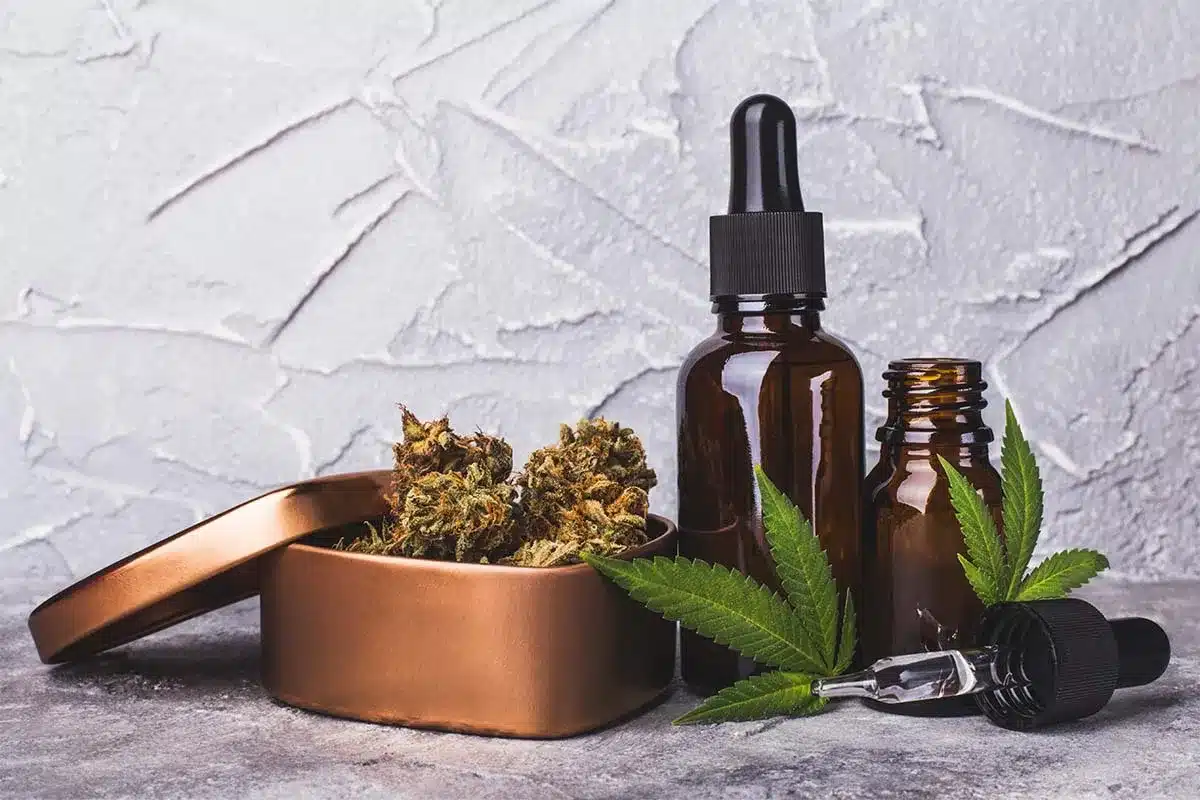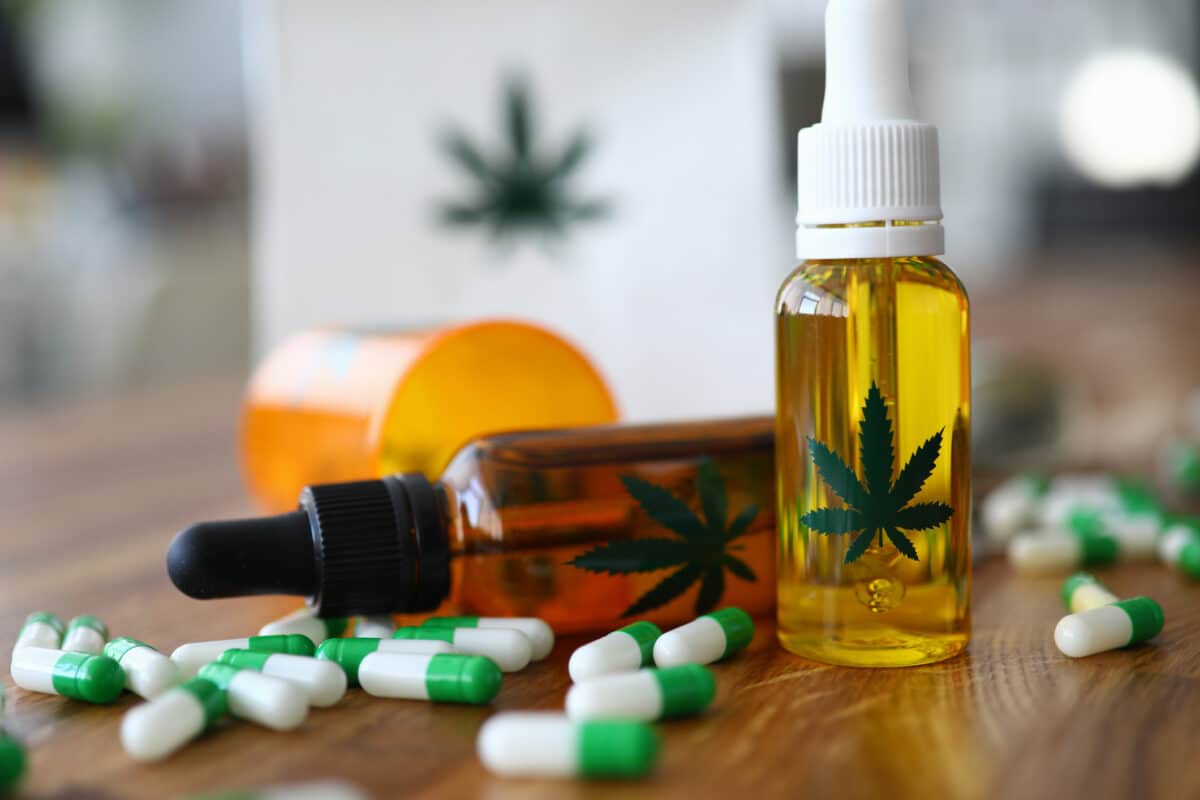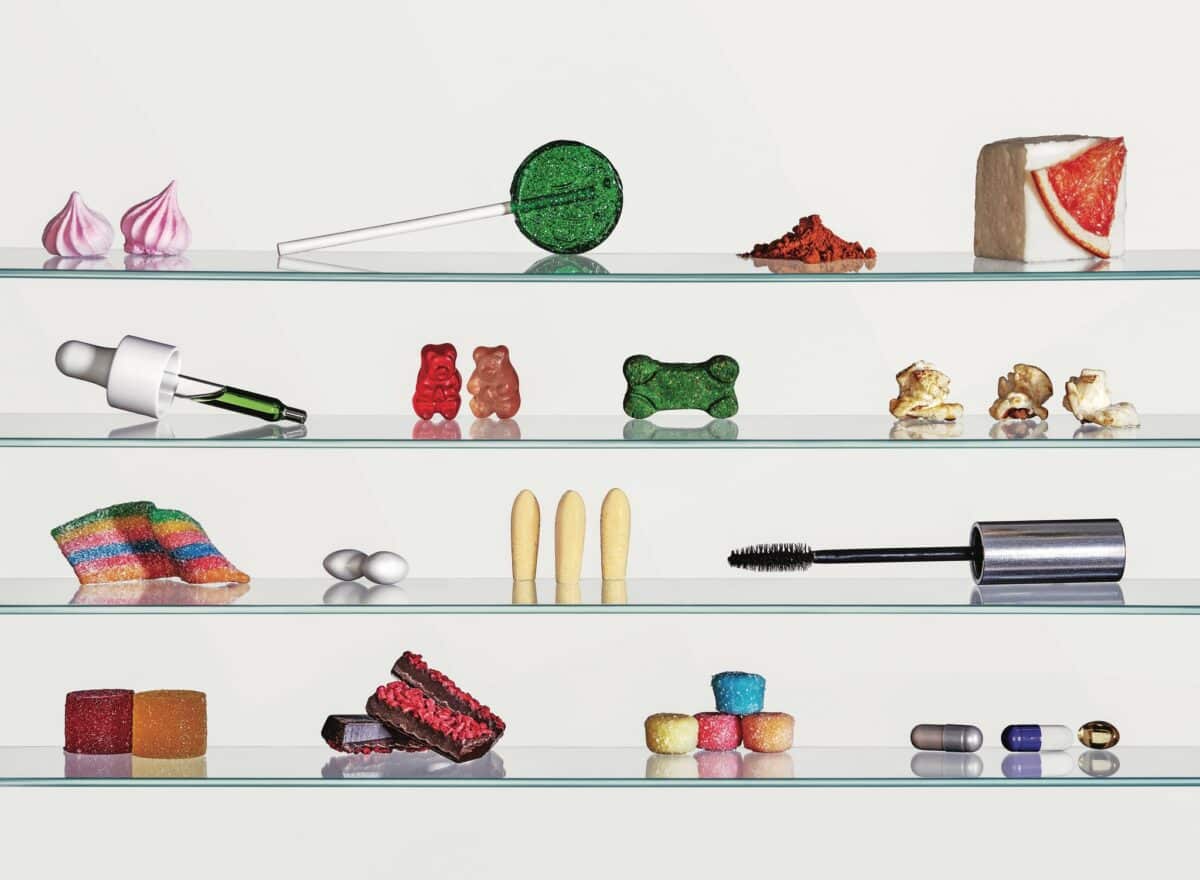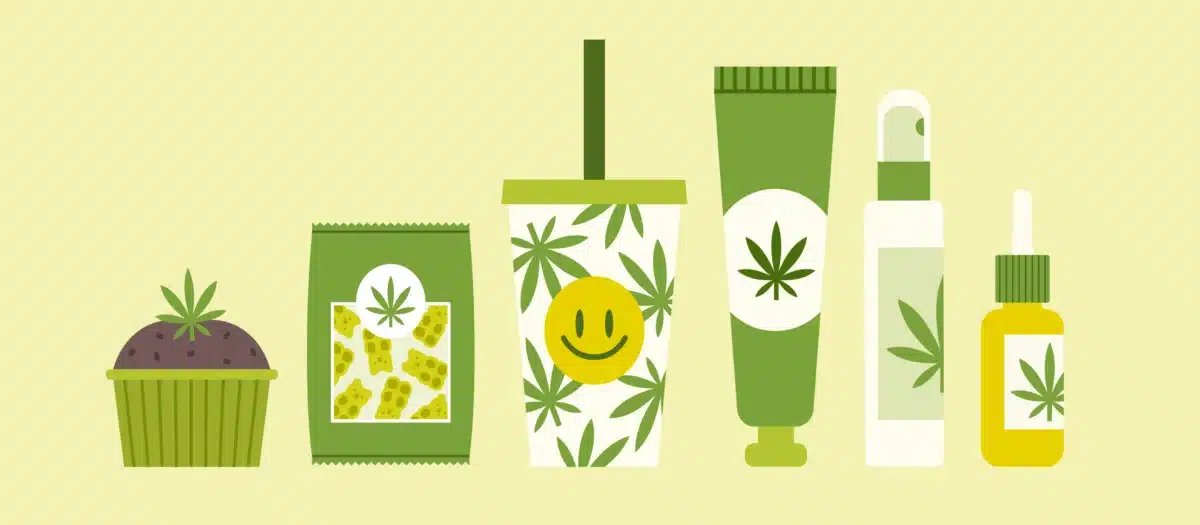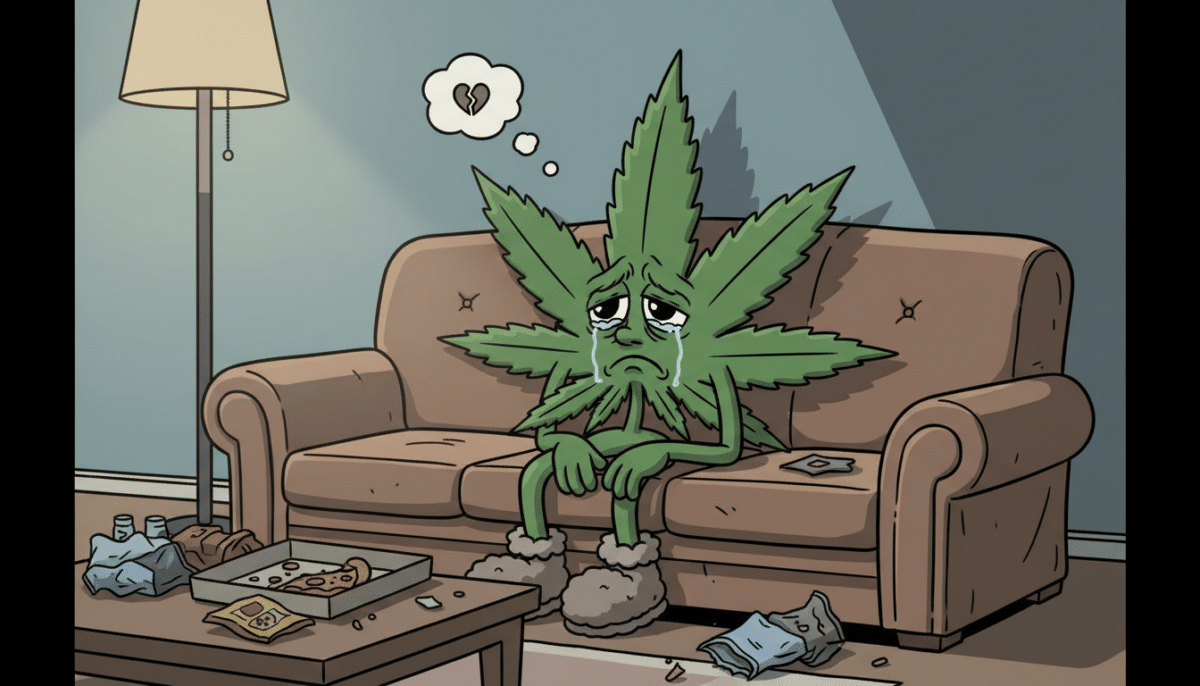
Full disclosure: this is not a clinical trial. There’s no control group, no blinding, and no lab coat involved. Just one person, five CBD formats, 30 days, and a genuine curiosity about why some products seem to do something while others feel like an expensive placebo. The answer, it turns out, depends almost entirely on what you’re using — and what you’re using it for. Three formats were worth continuing. Two weren’t. Here’s the breakdown.
Category Archives: Hemp Benefits
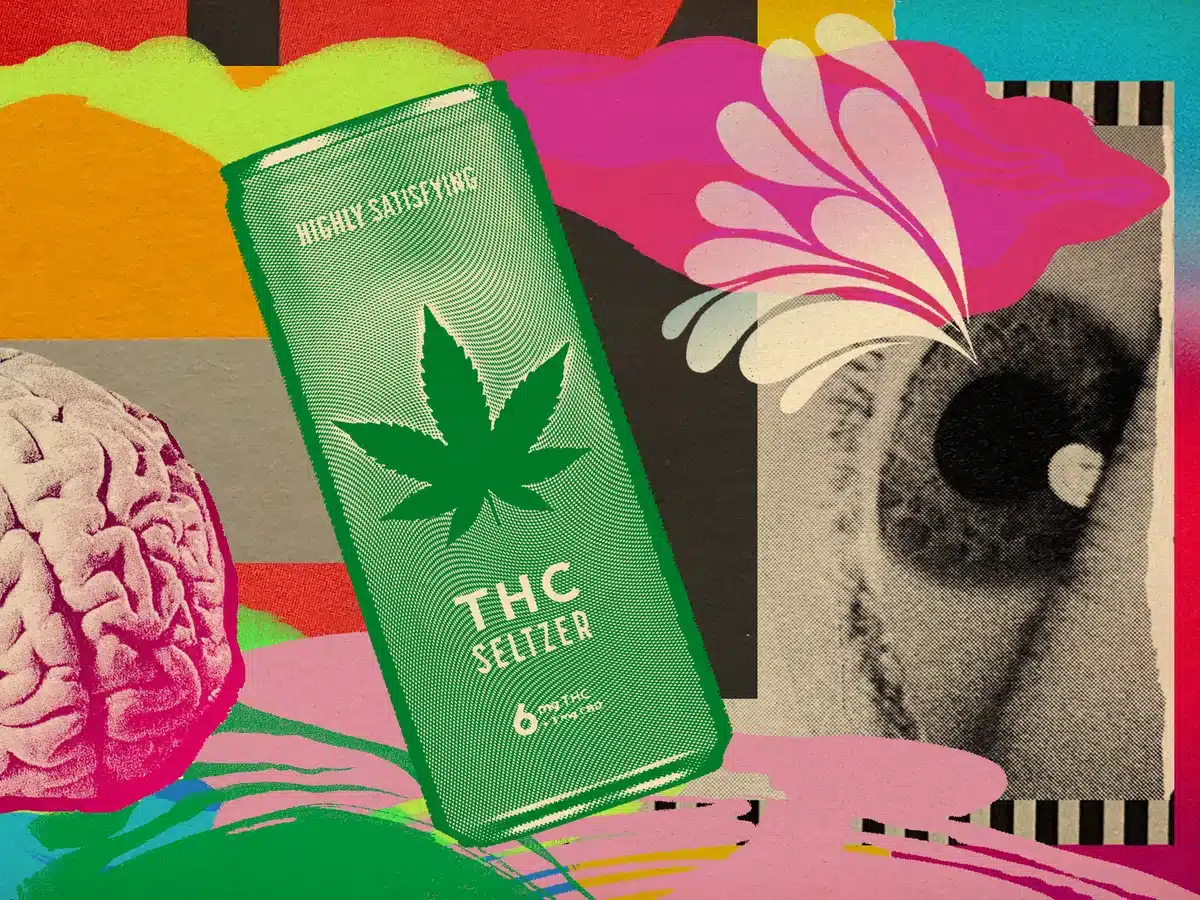
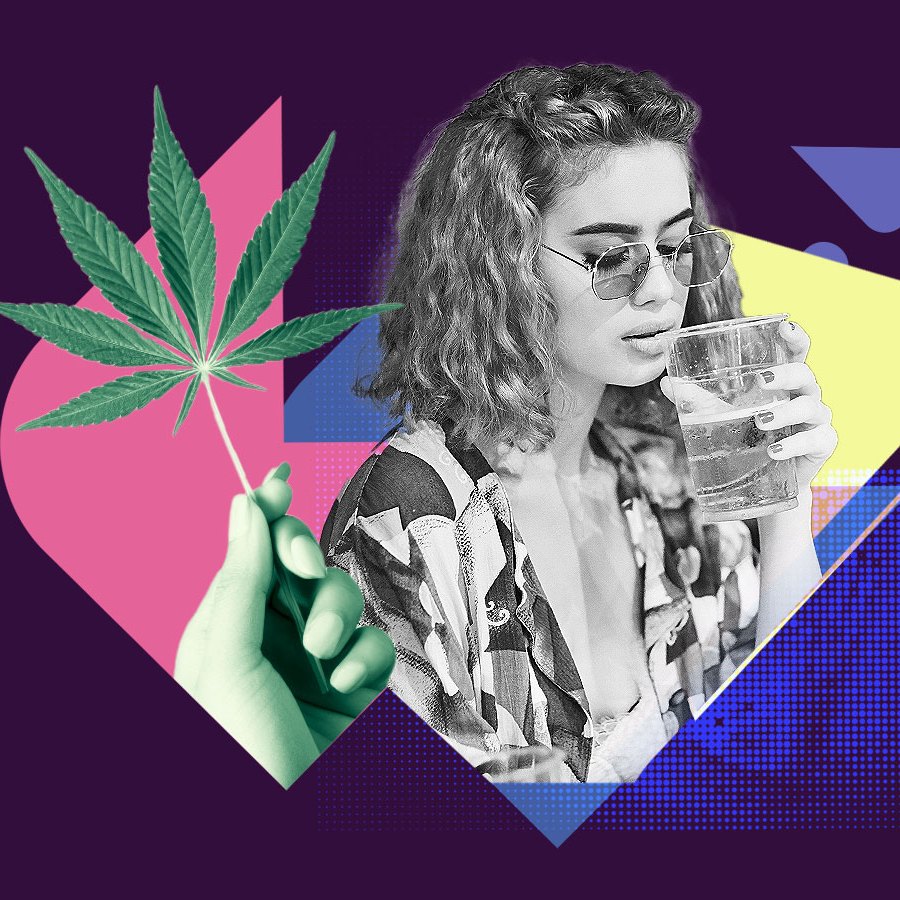
Something weird is happening at parties. The beer is getting warm, the wine is going unfinished, and someone in the corner is passing around a gummy instead of a shot glass. This isn’t a vibe shift — it’s a data-backed generational pivot. 65% of Gen Zers plan to drink less in 2025, and 56% say they’ve actively replaced alcohol with cannabis. Here’s what that’s actually doing to bars, house parties, and Saturday nights.
In 2018, at the height of the opioid epidemic, the FDA approved Dsuvia — a synthetic opioid 1,000 times stronger than morphine — over the objections of its own advisory panel chairman and sitting U.S. senators. That same agency, working alongside the DEA, had spent decades making cannabis research so difficult that scientists could barely study it. Same regulator. Same era. Very different priorities. Here’s the timeline they don’t put in the brochure.
For 200 years, the pharmaceutical industry ran the same play: find a plant that heals people, rip out the one compound doing the work, patent it, and sell it back at scale. Aspirin from willow bark. Morphine from the poppy. Quinine from cinchona. It wasn’t a conspiracy — it was just business. But here’s what that model quietly left behind: everything else in the plant. And with cannabis, the science is starting to suggest that “everything else” might be exactly the point.
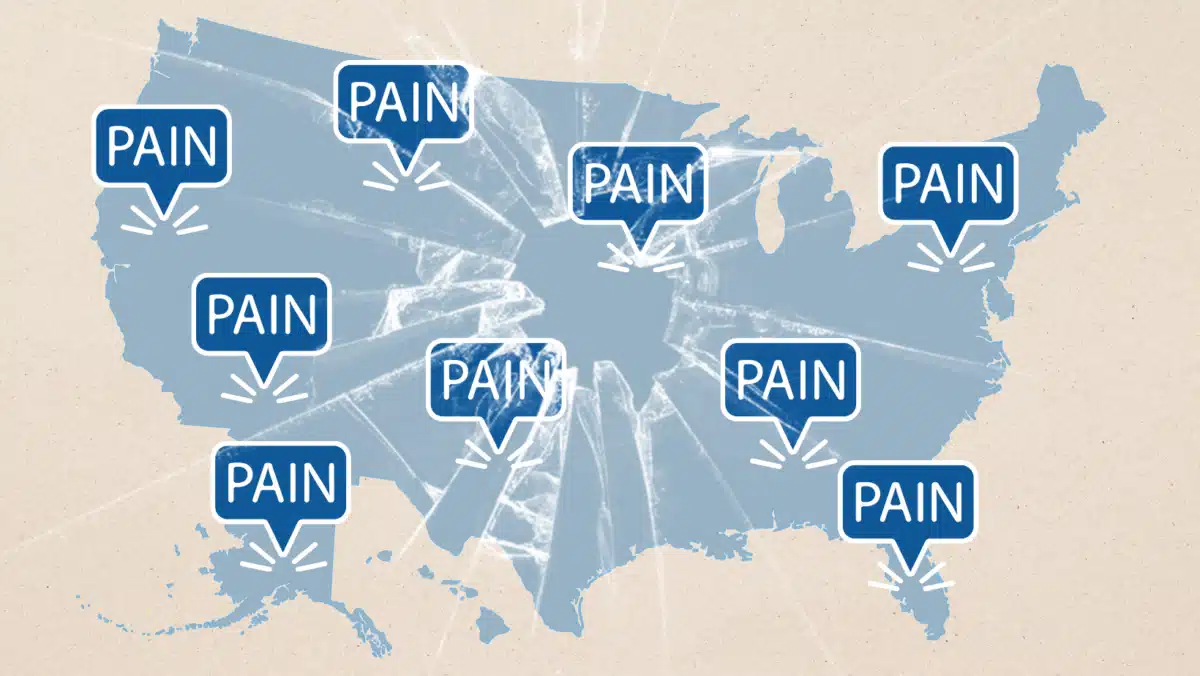
Tylenol is in almost every medicine cabinet in North America. It’s the quiet hero for headaches, sore backs, and post-gym regret. But here’s the thing: it works through mechanisms we still don’t fully understand — and in high doses, it’s one of the leading causes of acute liver failure.
Meanwhile, CBD has been quietly building a résumé backed by peer-reviewed research, anti-inflammatory potential, and a dramatically different safety profile.
So… if both are used for pain — why are more people reaching for one and rethinking the other?
In this deep dive, we unpack what the science actually says about acetaminophen, what researchers are discovering about CBD, and why the conversation around “everyday pain relief” might be overdue for a serious upgrade.
Weed used to be about getting wrecked. As adulthood brought stress, burnout, and overstimulation, cannabis quietly evolved alongside its users. Today’s grown-up weed isn’t chasing the highest THC or the wildest high — it’s focused on balance, clarity, and intention. From CBD and CBG to low-dose THC and THCa, cannabis has become less of a party and more of a tool: something to help people unwind without checking out, sleep without regret, and show up the next day feeling human.
Alcohol isn’t disappearing — it’s just losing its grip. Younger generations are drinking less, not because they’re sober, but because they’re selective about how they alter their state. Hangovers, anxiety, and loss of control no longer feel like a fair trade for a night out. In alcohol’s place, CBD, THCa, low-dose THC, and even occasional mushroom use are offering something softer: relaxation without regret, clarity without chaos, and mornings that don’t feel borrowed from tomorrow. This piece explores why the Anti-Alcohol Generation isn’t rejecting intoxication — they’re upgrading it.
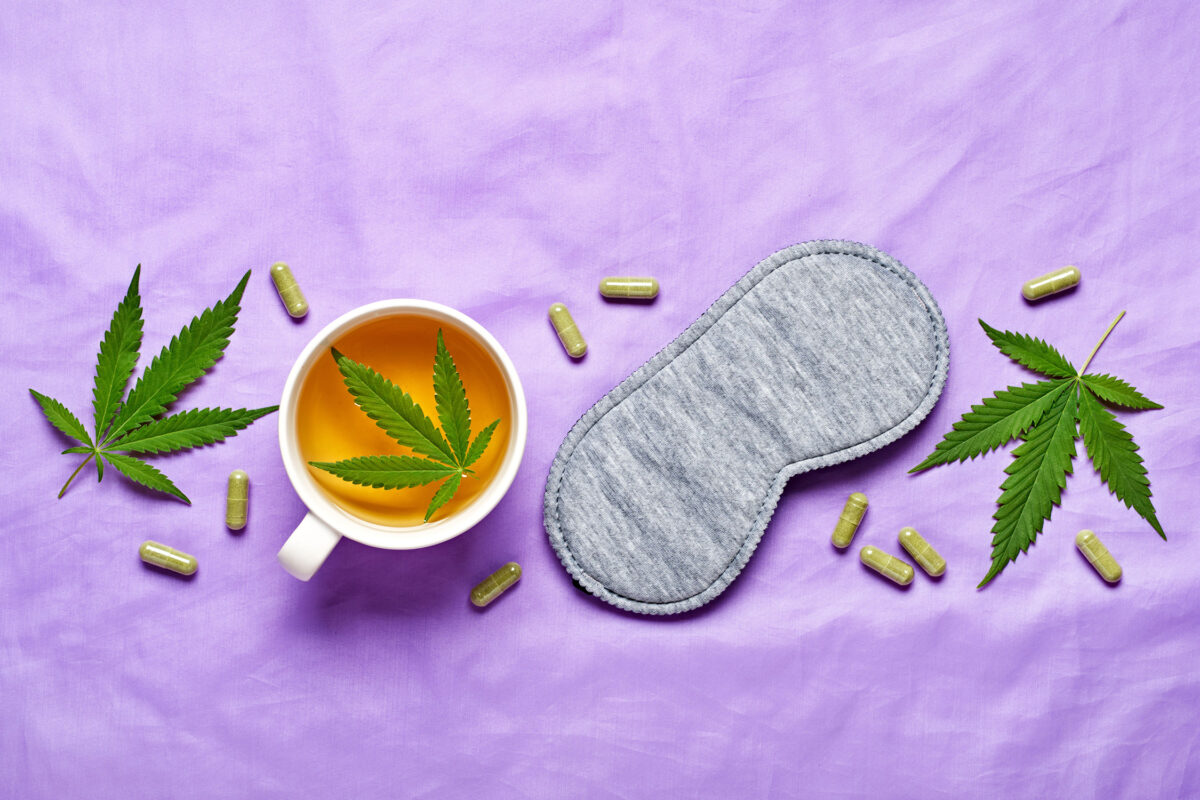
Weekends were supposed to fix us. Two days to reset, recharge, and return to Monday feeling human again. But somewhere along the way, rest stopped working. Time off became overbooked, overstimulating, and strangely exhausting — leaving many people just as drained on Monday morning as they were on Friday night. This piece explores how modern life broke our relationship with rest, why doing nothing now feels uncomfortable, and what it might take to actually recover in a world that never fully shuts off.
We don’t live in a tired world — we live in an overstimulated one. From the moment we wake up, our nervous systems are hit with notifications, headlines, artificial light, caffeine spikes, and an endless feed engineered to keep us alert, reactive, and scrolling. The result isn’t just stress or burnout — it’s a baseline state of low-grade fight-or-flight that never fully shuts off. Increasingly, the question isn’t why we’re anxious, unfocused, or exhausted — but whether modern life has simply forgotten how to let the body relax. As science takes a closer look at the nervous system, attention economy, and the rise of calming tools like CBD, breathwork, and plant medicine, a new idea is emerging: maybe we’re not broken — maybe we’re just profoundly under-relaxed.
Alcohol sales are slipping, cannabis culture is exploding, and Gen Z is quietly rewriting the rules of intoxication. As younger generations drink significantly less than Millennials and far less than Boomers, a new question is taking shape: are we watching alcohol’s first real challenger emerge in real time? From THC-infused beverages and alcohol-free bars to biosynthetic cannabinoids and AI-personalized dosing, the cannabis industry is evolving at a pace liquor can’t match. This piece dives into the social trends, the tech breakthroughs, and the cultural shift driving the possibility that within two decades, ordering a “strong one” might mean something very different than it does today.