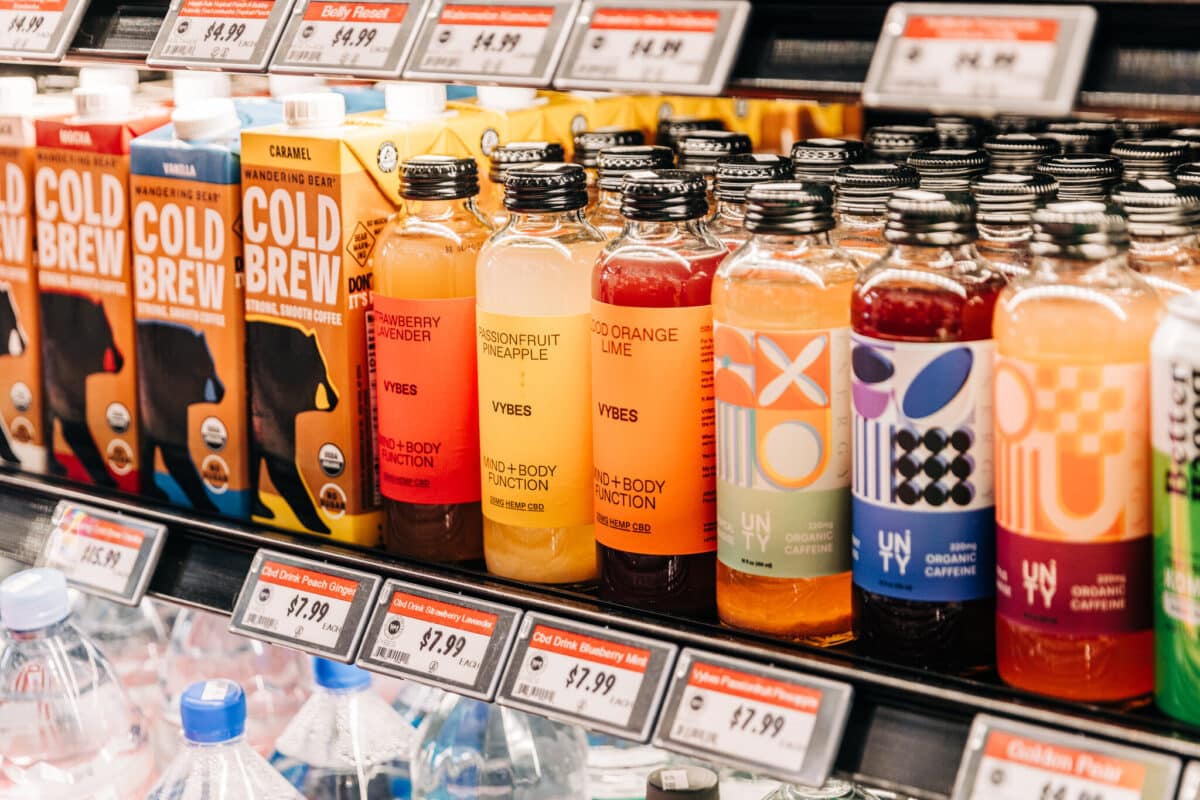
Full disclosure: this is not a clinical trial. There’s no control group, no blinding, and no lab coat involved. Just one person, five CBD formats, 30 days, and a genuine curiosity about why some products seem to do something while others feel like an expensive placebo. The answer, it turns out, depends almost entirely on what you’re using — and what you’re using it for. Three formats were worth continuing. Two weren’t. Here’s the breakdown.
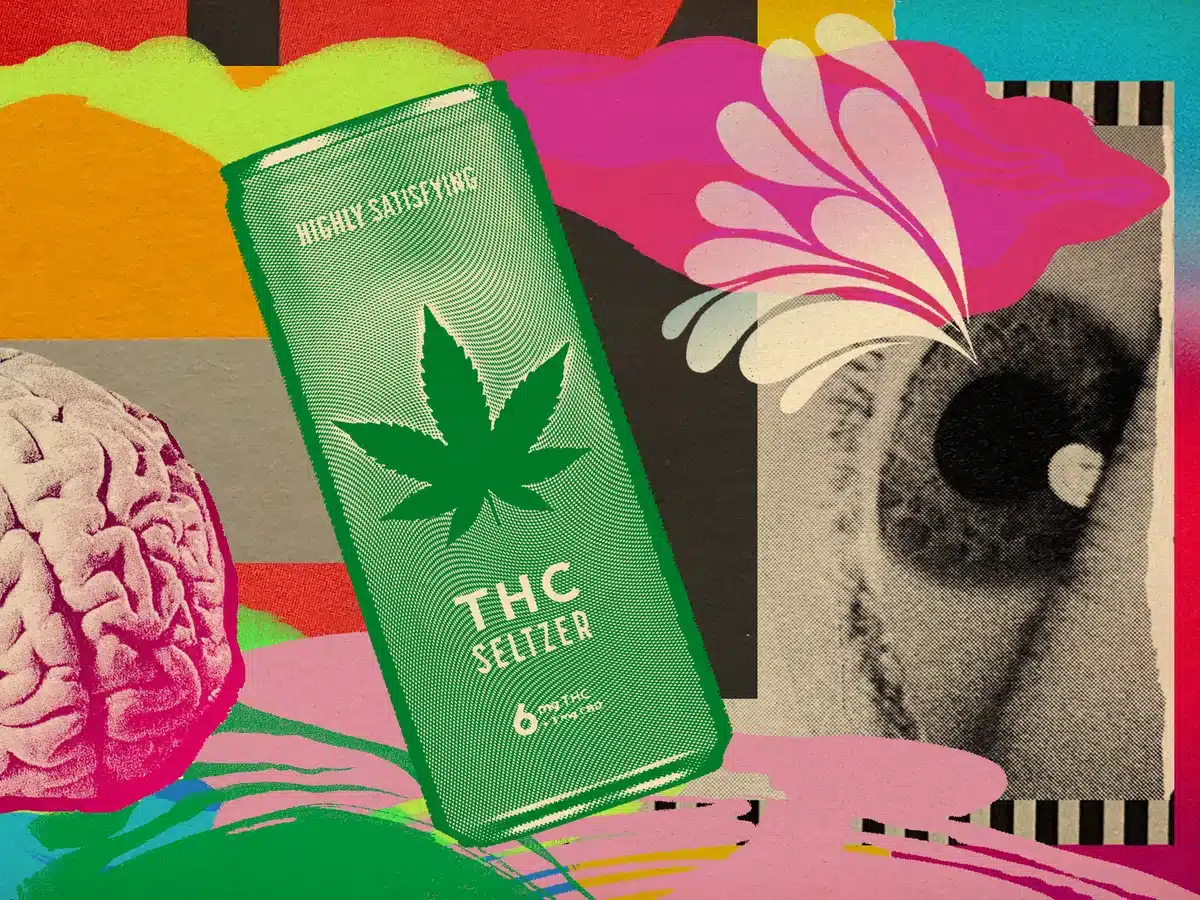
Something weird is happening at parties. The beer is getting warm, the wine is going unfinished, and someone in the corner is passing around a gummy instead of a shot glass. This isn’t a vibe shift — it’s a data-backed generational pivot. 65% of Gen Zers plan to drink less in 2025, and 56% say they’ve actively replaced alcohol with cannabis. Here’s what that’s actually doing to bars, house parties, and Saturday nights.
In 2018, at the height of the opioid epidemic, the FDA approved Dsuvia — a synthetic opioid 1,000 times stronger than morphine — over the objections of its own advisory panel chairman and sitting U.S. senators. That same agency, working alongside the DEA, had spent decades making cannabis research so difficult that scientists could barely study it. Same regulator. Same era. Very different priorities. Here’s the timeline they don’t put in the brochure.
Cannabis legalization has changed a lot of things — dispensaries are open, products are regulated, and millions of adults now purchase cannabis as casually as a bottle of wine.
But step into a job interview and the rules suddenly feel stuck in a different decade.
Across North America, employees can legally buy cannabis on the weekend and still fail a workplace drug test on Monday. The contradiction has left many workers asking the same question: if weed is legal now, why are companies still testing for it?
In this article, we break down the surprising reason workplace policies haven’t caught up with legalization, why cannabis drug tests don’t actually measure impairment, and how cannabinoids like CBD are adding new complexity to an already outdated system.
For 200 years, the pharmaceutical industry ran the same play: find a plant that heals people, rip out the one compound doing the work, patent it, and sell it back at scale. Aspirin from willow bark. Morphine from the poppy. Quinine from cinchona. It wasn’t a conspiracy — it was just business. But here’s what that model quietly left behind: everything else in the plant. And with cannabis, the science is starting to suggest that “everything else” might be exactly the point.
Cannabis packaging used to hide in plain sight. Today, it’s designed to stand out.
From crinkled plastic baggies to soft-touch glass jars and collectible Cali packs, the container has become part of the experience. It protects the product, tells a story, satisfies regulators — and sometimes even earns a spot on your coffee table.
In this visual journey through time, we explore how cannabis packaging evolved from underground anonymity to shelf-ready sophistication — and why design now plays such a powerful role in how we experience the plant.
Tylenol is in almost every medicine cabinet in North America. It’s the quiet hero for headaches, sore backs, and post-gym regret. But here’s the thing: it works through mechanisms we still don’t fully understand — and in high doses, it’s one of the leading causes of acute liver failure.
Meanwhile, CBD has been quietly building a résumé backed by peer-reviewed research, anti-inflammatory potential, and a dramatically different safety profile.
So… if both are used for pain — why are more people reaching for one and rethinking the other?
In this deep dive, we unpack what the science actually says about acetaminophen, what researchers are discovering about CBD, and why the conversation around “everyday pain relief” might be overdue for a serious upgrade.
Not long ago, cannabis was something parents hid — a relic of college stories or whispered jokes at dinner parties. Today, that silence is fading. More parents are talking openly about CBD and other cannabinoids, not as rebellion, but as part of a thoughtful wellness routine.
From stress regulation to better sleep, plant-based tools are becoming part of honest conversations about modern parenting. In this essay, we explore why stigma is softening, how cannabinoids like CBD and CBG fit into family life, and why transparency — not taboo — may be the biggest cultural shift of all.
For years, CBD was the go-to cannabinoid for recovery — trusted by athletes looking to manage soreness, sleep better, and stay loose without getting high. But lately, a quieter shift has been happening in gyms, locker rooms, and training circles. Some athletes are swapping CBD for CBG — not because it’s trendier, but because it feels more functional.
In this essay, we explore why CBG is gaining traction among performance-focused athletes, how it differs from CBD, and what this subtle switch says about the future of recovery, focus, and functional cannabis.
Once a whispered wellness secret, CBD has become a full-blown pop-culture fixture — name-dropped by celebrities, tucked into luxury gift bags, and casually discussed alongside meditation apps and matcha lattes. From Hollywood red carpets to locker rooms and Instagram feeds, cannabidiol has shed its countercultural baggage and stepped into the mainstream spotlight.
But this cultural glow-up didn’t happen overnight. In this essay, we explore how celebrity influence, media storytelling, and shifting wellness values transformed CBD from fringe compound to lifestyle staple — and where hype, science, and responsibility collide along the way.