Category Archives: Cannabis

6 Things That Are Technically More Dangerous Than Cannabis

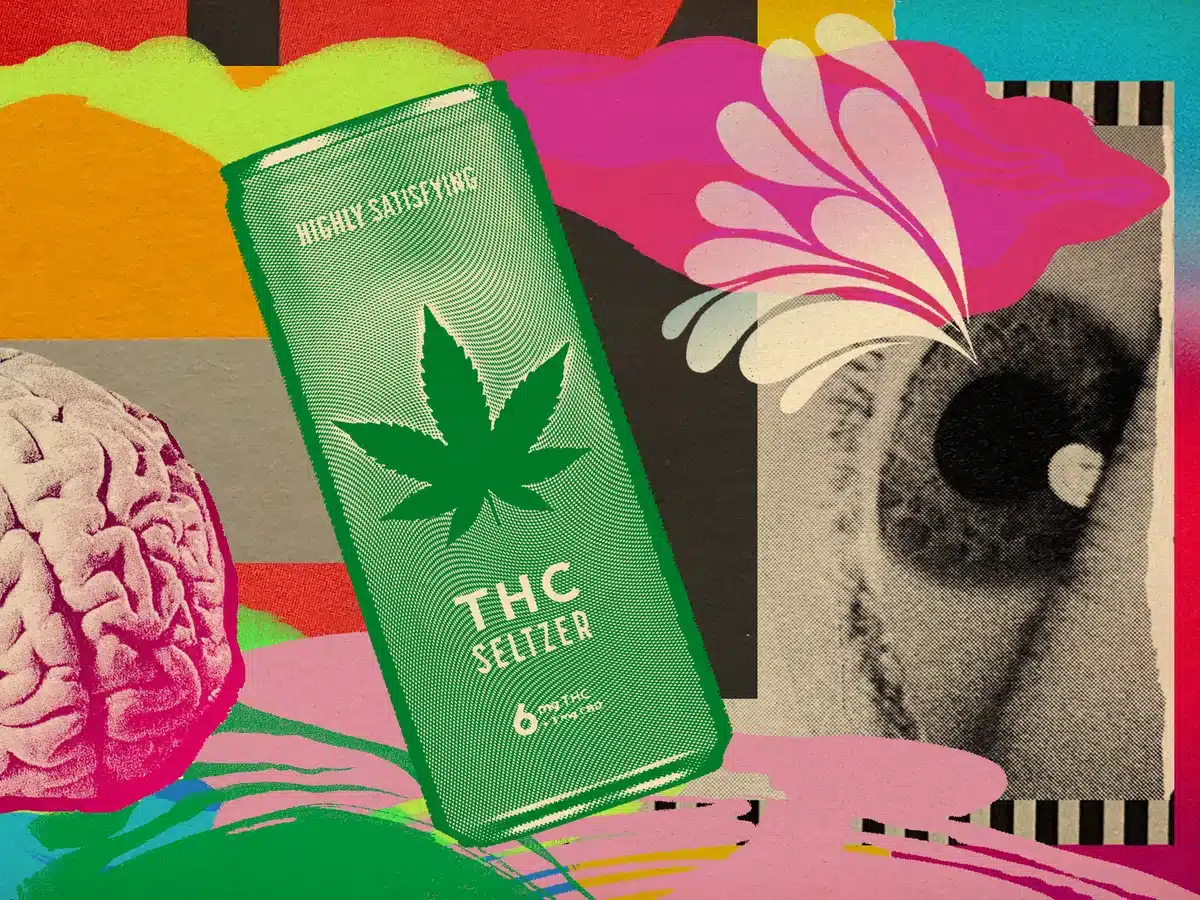
Colorful pop-art collage featuring a green THC seltzer can with a cannabis leaf logo surrounded by a human brain illustration, a close-up animal eye, and abstract floral shapes on a vibrant multi-colored background

Cannabis spent 88 years as a Schedule I substance — officially more dangerous than cocaine, according to the federal government. Meanwhile, the thing sitting in your medicine cabinet right now kills 500 Americans a year. The processed meat in your fridge is classified in the same carcinogen category as tobacco. And loneliness, per the U.S. Surgeon General, carries the same mortality risk as smoking 15 cigarettes a day. Here are six completely legal things that, by the numbers, would like a word.
A Brief and Ridiculous History of Governments Trying to Ban Plants

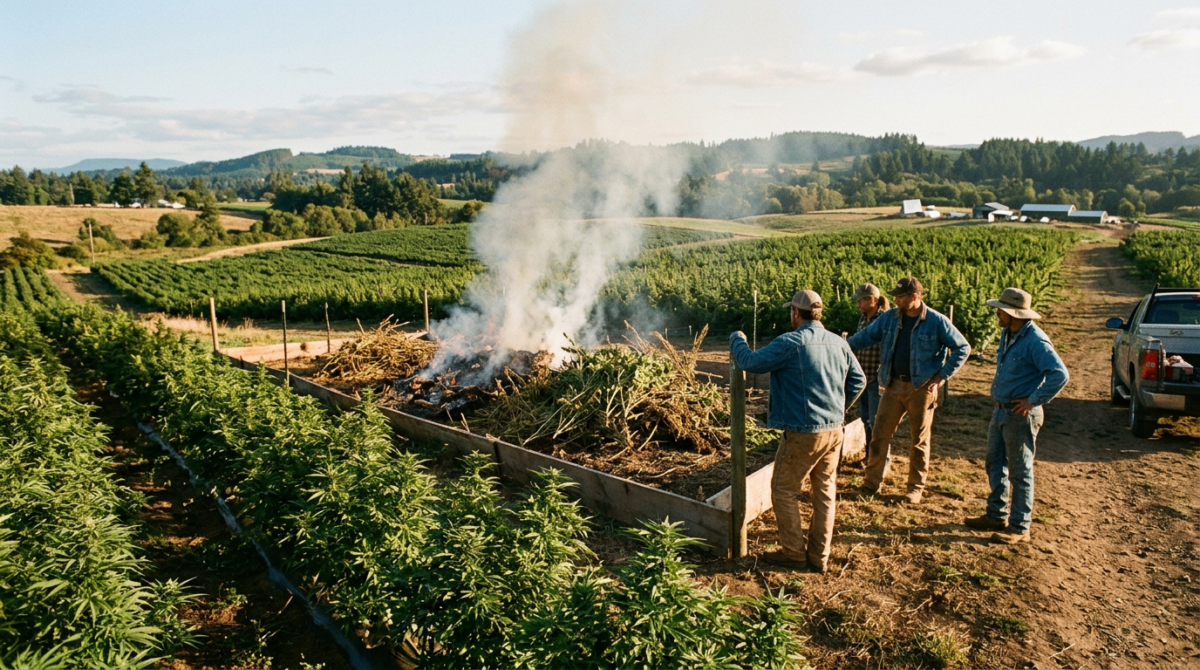
Four farm workers monitor a controlled burn of plant debris on a farm field

Governments have been trying to ban plants that make people feel good for at least 500 years. Coffee got a man fired in Mecca in 1511. A Turkish sultan personally decapitated coffee drinkers in the street. Britain taxed tea so aggressively it accidentally created the United States. Alcohol prohibition built organized crime and lasted 13 years. Cannabis prohibition lasted 88. The details change. The pattern doesn’t. Here’s a brief and embarrassing tour through humanity’s worst habit.

CBD and Menopause: The Conversation Medicine Has Been Too Slow to Have

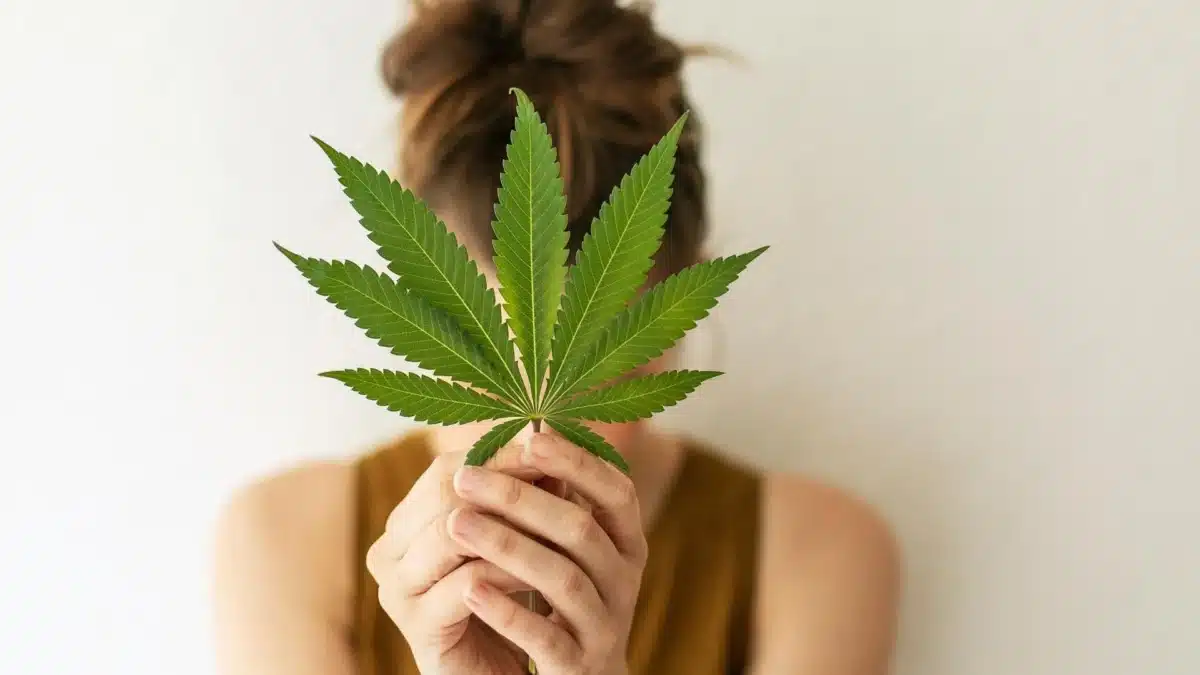
Woman with hair in a bun holding a large green cannabis leaf in front of her face against a white background, representing women's wellness and cannabidiol use for menopause symptom relief

About 1.3 million women enter menopause every year in the United States. Most of them will navigate hot flashes, broken sleep, joint pain, anxiety, and brain fog — often with limited support from a medical system that has historically underfunded women’s health research. A growing number are quietly turning to CBD and CBG. The science is starting to back them up. Here’s what the research actually says, symptom by symptom.

CBD for Insomnia: What’s Happening in Your Brain at Night — and What the Science Says Actually Works

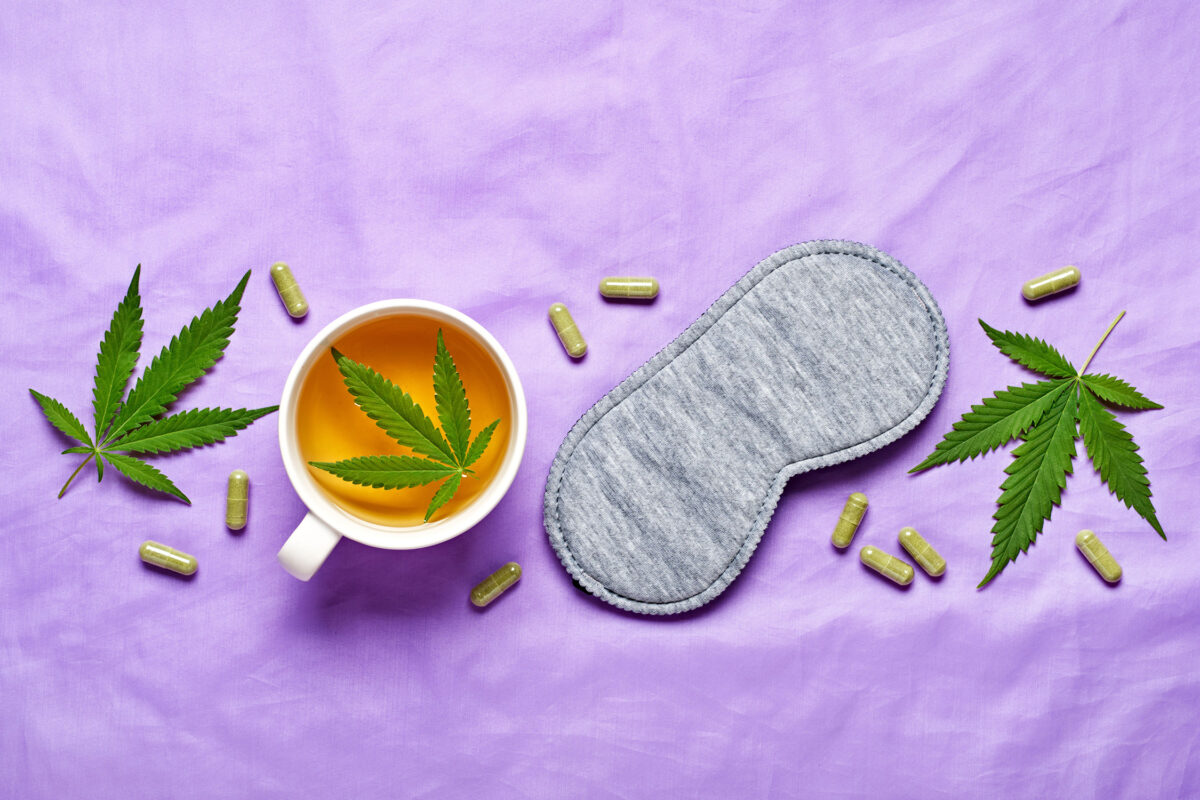
Flat lay of a white mug of golden cannabis tea with a cannabis leaf, a grey sleep mask, and scattered green CBD capsules on a purple background, representing cannabidiol as a natural sleep aid

CBD is not a sleeping pill. It doesn’t work like one, and expecting it to will lead to disappointment. What it may do — particularly for anxiety-driven sleeplessness — is reduce the neurological friction that keeps your brain in threat-detection mode when it should be powering down. But there’s a second cannabinoid entering the conversation that works through an entirely different mechanism, and the 2024 research behind it is genuinely surprising. Here’s the neuroscience, the honest caveats, and what’s actually worth trying.

I Tried Every Form of CBD for 30 Days. Here’s What Actually Did Something.

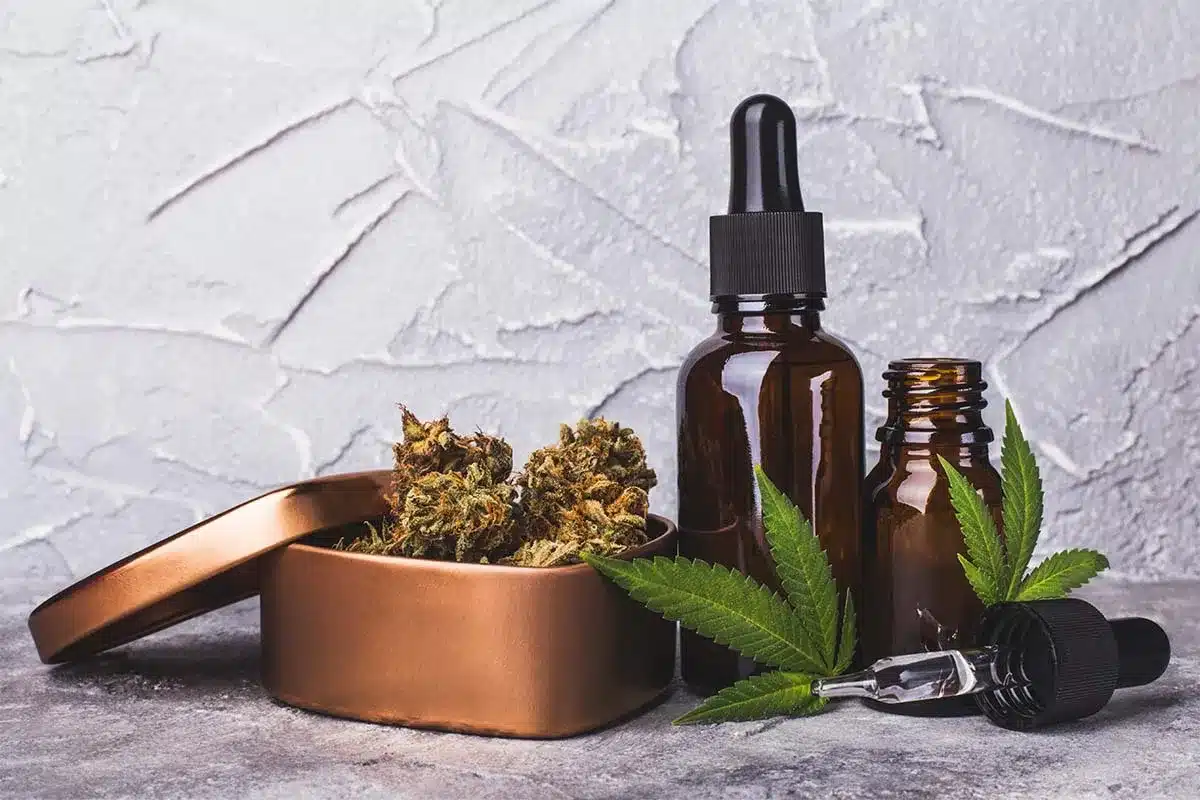
Two amber CBD oil tincture dropper bottles alongside a copper tin filled with cannabis flower buds and a fresh cannabis leaf on a textured grey surface, representing different forms of CBD wellness products

Full disclosure: this is not a clinical trial. There’s no control group, no blinding, and no lab coat involved. Just one person, five CBD formats, 30 days, and a genuine curiosity about why some products seem to do something while others feel like an expensive placebo. The answer, it turns out, depends almost entirely on what you’re using — and what you’re using it for. Three formats were worth continuing. Two weren’t. Here’s the breakdown.

Gen Z Is Trading Alcohol for Cannabis — And It’s Changing How We Party

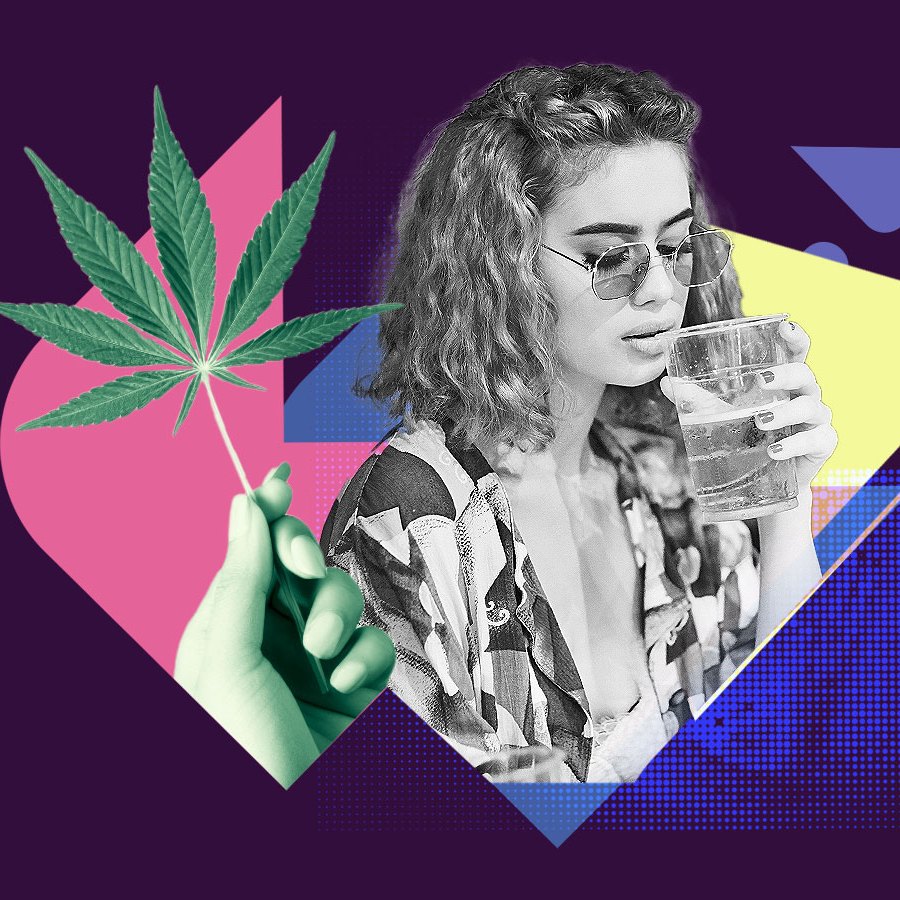
Graphic collage of a young woman sipping a drink alongside a hand holding a cannabis leaf against a colorful pop-art background, representing Gen Z's shift from alcohol to cannabis in social settings

Something weird is happening at parties. The beer is getting warm, the wine is going unfinished, and someone in the corner is passing around a gummy instead of a shot glass. This isn’t a vibe shift — it’s a data-backed generational pivot. 65% of Gen Zers plan to drink less in 2025, and 56% say they’ve actively replaced alcohol with cannabis. Here’s what that’s actually doing to bars, house parties, and Saturday nights.

The FDA Approved an Opioid 1,000 Times Stronger Than Morphine While Blocking Cannabis Research for Decades

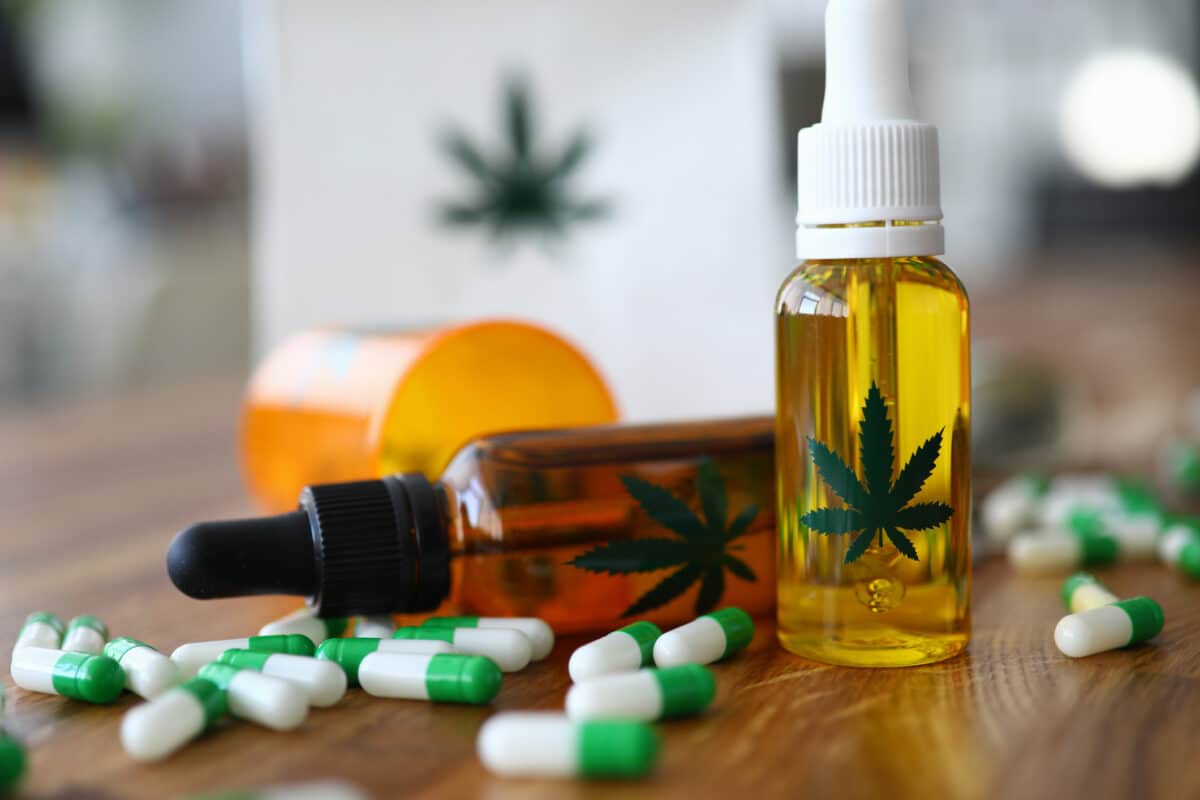
Two CBD oil tincture bottles with cannabis leaf labels alongside scattered green and white pharmaceutical capsules and an orange prescription bottle on a wooden surface, illustrating the contrast between plant-based cannabidiol and conventional pharmaceutical drugs

In 2018, at the height of the opioid epidemic, the FDA approved Dsuvia — a synthetic opioid 1,000 times stronger than morphine — over the objections of its own advisory panel chairman and sitting U.S. senators. That same agency, working alongside the DEA, had spent decades making cannabis research so difficult that scientists could barely study it. Same regulator. Same era. Very different priorities. Here’s the timeline they don’t put in the brochure.

Weed Is Legal. So Why Is My Boss Still Testing for It?

Employee on a smoking break outside workplace building representing cannabis use and workplace drug testing policies

Cannabis legalization has changed a lot of things — dispensaries are open, products are regulated, and millions of adults now purchase cannabis as casually as a bottle of wine.

But step into a job interview and the rules suddenly feel stuck in a different decade.

Across North America, employees can legally buy cannabis on the weekend and still fail a workplace drug test on Monday. The contradiction has left many workers asking the same question: if weed is legal now, why are companies still testing for it?

In this article, we break down the surprising reason workplace policies haven’t caught up with legalization, why cannabis drug tests don’t actually measure impairment, and how cannabinoids like CBD are adding new complexity to an already outdated system.

Big Pharma Patented Nature and Called It Medicine. Cannabis Did the Opposite.

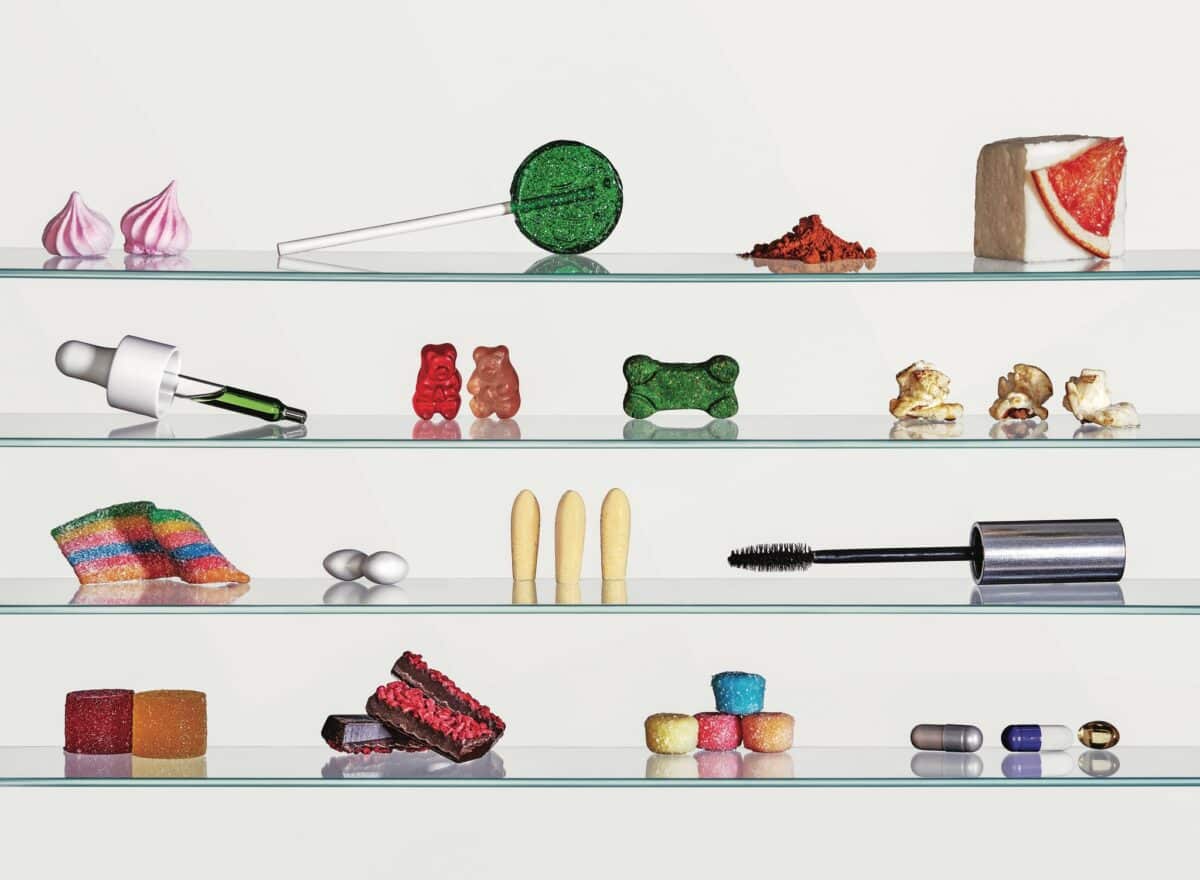
Alt text: Glass pharmacy shelves displaying a variety of CBD-infused products including gummies, tincture droppers, capsules, edibles and topicals — illustrating the mainstreaming of cannabinoids across consumer product categories

For 200 years, the pharmaceutical industry ran the same play: find a plant that heals people, rip out the one compound doing the work, patent it, and sell it back at scale. Aspirin from willow bark. Morphine from the poppy. Quinine from cinchona. It wasn’t a conspiracy — it was just business. But here’s what that model quietly left behind: everything else in the plant. And with cannabis, the science is starting to suggest that “everything else” might be exactly the point.

The Evolution of Cannabis Packaging: From Sandwich Baggies to Billion Dollar Industry

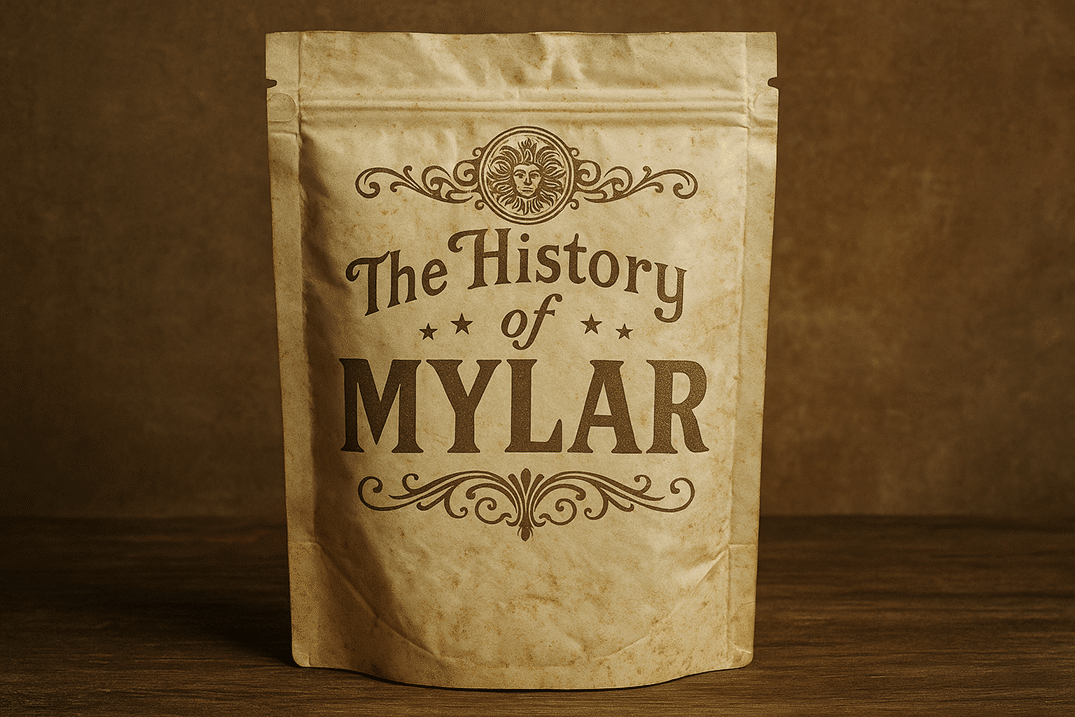
Vintage cannabis mylar packaging showing early regulated design and historical packaging evolution

Cannabis packaging used to hide in plain sight. Today, it’s designed to stand out.

From crinkled plastic baggies to soft-touch glass jars and collectible Cali packs, the container has become part of the experience. It protects the product, tells a story, satisfies regulators — and sometimes even earns a spot on your coffee table.

In this visual journey through time, we explore how cannabis packaging evolved from underground anonymity to shelf-ready sophistication — and why design now plays such a powerful role in how we experience the plant.